- Airway
- Article
Proven Airway-Focused Comprehensive Dental Exam Guide
Jeffrey Rouse
•
January 28, 2022
Most patients enter a dental practice through a routine hygiene visit, where the exam is often brief and limited to identifying obvious disease or damage. An airway-focused comprehensive dental exam goes further. It evaluates how airway, esthetics, function, structure, biology (AEFSB) work together to influence oral health and overall wellness. By expanding beyond the hygiene check, dentists can uncover hidden issues, build patient trust, and create more meaningful, long-term treatment plans.
This approach shifts the conversation from “watching and waiting” to understanding root causes. Instead of monitoring wear, fractures, or discomfort without clear direction, an airway-focused comprehensive dental exam helps patients see the connection between their sleep, breathing, and dental health, making it easier for them to engage in care that truly improves their quality of life.
This is where advanced dental treatment planning becomes essential for identifying root causes and building predictable care.
At Spear, we’ve focused on moving those people above the insurance line or recruiting regenerative patients to the office. These people make decisions based on what’s best for them. They may request information about coverage, but fully understand that it will not be the deciding factor in care.
Historically, the techniques for creating that shift are all built around Facially Generated Treatment Planning. Instead of starting with structural issues and disease, the dentist begins by examining airway, esthetics, and function. After gathering data and photographs, a proper diagnosis is made and a plan of care formulated. The patient is then given a visual tour of their mouth, and options for treatment are discussed. This strategy absolutely works.
The key is time with the patient. We need more time than is allowed in a hygiene check to determine what to do, create a unique experience, and demonstrate to the patient that even though their previous dentist monitored the issue, we are to be trusted. You simply can’t achieve this in the hygiene operatory. The idea that there will be a magical day the patient will trust us enough to believe us as we discuss a rehabilitation in the hygiene operatory is a fallacy. We must get the patient out of the hygiene operatory and into our room for a airway-focused comprehensive dental exam.
A structured approach to diagnosis, like advanced dental treatment planning for complex cases, allows clinicians to move beyond monitoring and into proactive care.
From hygiene visits to comprehensive care
I often overhear dentists at our workshops say the cases we present are interesting and that they’d love to do that kind of dentistry, but those patients aren’t in their practices. While I’m lucky enough to receive some referrals from other specialists, the core of my practice is a 55-year-old family dentistry office. As such, I still have a significant number of patients who enter through hygiene.
My message is that those patients are in your office right now, and they’ll be entering your practice next week. If you aren’t doing complex cases, it’s routinely because of your knowledge or system, not your patient base.
For example, in October 2020, four new patients came to my practice. They all entered my office through a hygiene visit and examination. They ranged in age from 29 to 49, had seen between 2 and 5 dentists as adults, had received the dentistry recommended by their previous dentists, and were on a 6-month recall for hygiene with no outstanding diagnosed care. Those four patients are currently undergoing more than $100,000 in dental treatment. These issues didn’t just appear in the past six months since the previous office’s hygiene visit; they were either undiagnosed because of a lack of knowledge, or they were detected, but the choice was made to “monitor” them.
How did they go from a “see you in six months” patient to a very profitable case? My hygienist and I saw enough to elicit interest from the patient to get more than a hygiene and restorative check.
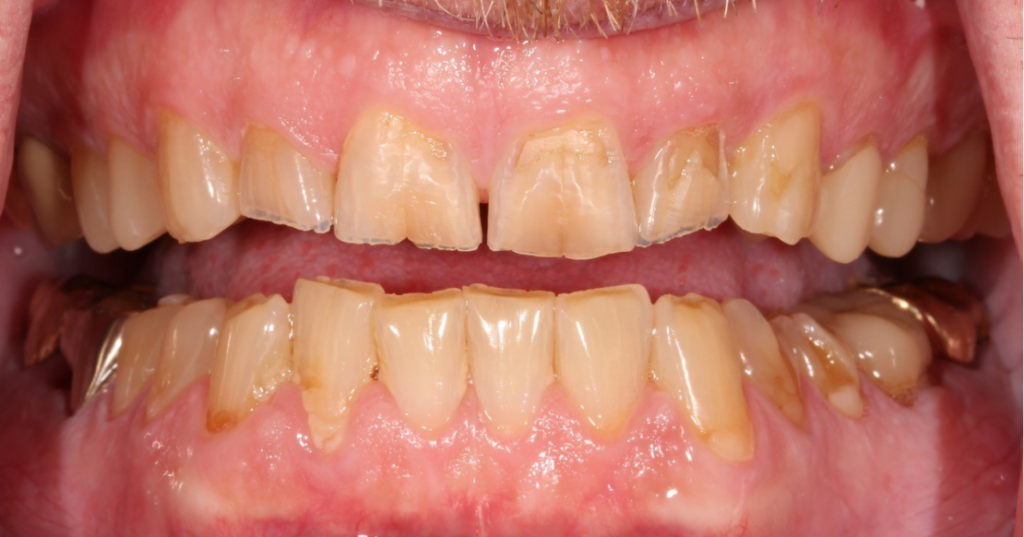
There are several ways to get the patient to agree to be seen for additional records. Historically, Spear has taught that esthetics and function are the foundation for evaluating the need for restorative care. For example, the teeth are worn from bruxism and erosion and the bite has collapsed. After training on FGTP, these alterations from the norm should be obvious, even if they’re subtle.
Asking patients the right questions
The biggest challenge for me is creating a desire to change. I’ve always found it difficult to sell ugly; I find it even harder to sell chewing. What’s been significantly easier for me is to sell health and wellness.
My hygienist or I will say, “The damage to your teeth is interesting. A combination of reflux and grinding causes it. The newest research is showing us that both of those events can be caused by a poor airway at night when you sleep.” Then I ask either, “How long has your partner complained about your snoring?” or “How do you sleep?”
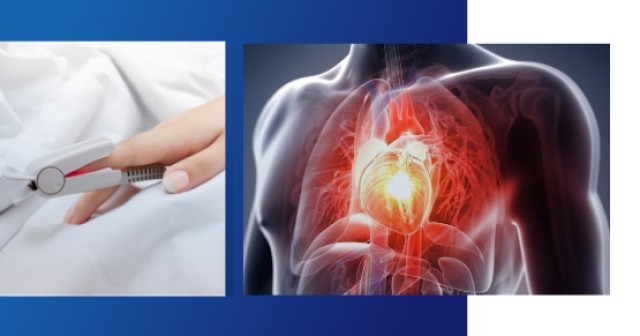
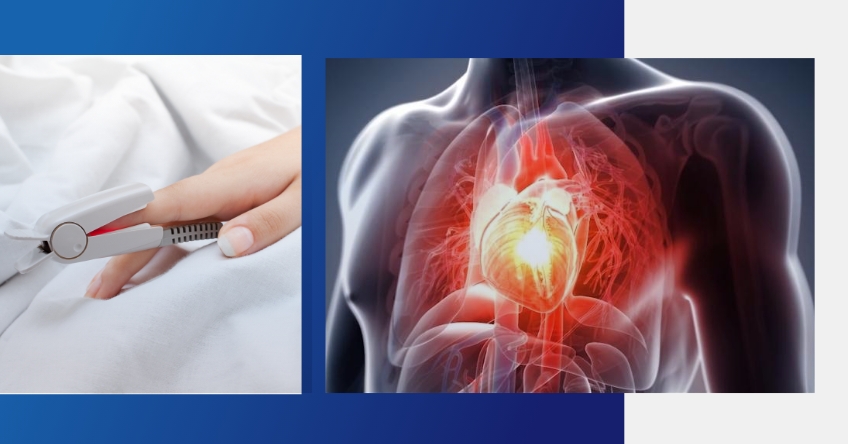
I let them answer, then invite them to undergo a free sleep-breathing screening and an airway-focused comprehensive dental exam of their teeth as they relate to their overall health. We send them home that night with a pulse oximeter to wear for two nights (and return it to us so it’s available for other patients). Instead of a pulse oximeter, I’ve used online sleep apps, the Fitbit and Apple Watch, and the book Sleep Interrupted by Dr. Steven Park. I ask them to read the first two chapters and the additional chapter that’s linked to a sign or symptom they presented with.
The next visit is an airway-focused comprehensive dental exam, followed by a visual tour of their mouth, ending with an outline of possible treatment options. Serendipitously, the esthetic and functional challenges we face with many of our rehabilitation patients are the same structural issues that cause the airway problem. By correcting the smile and bite, we may help our patients become healthier.
Comprehensive, complex treatment plans are difficult to formulate in the few minutes that a hygiene check allows. Even if you could figure out what to do, there is little to no co-discovery by the patient to generate a desire to proceed. They also have heard from their previous office that they’re fine and they just need a cleaning in six months. Why should they believe you?
Airway creates a backdoor for practitioners to get to do more dentistry. People want to be healthier. Everyone wants an improvement in the quality and quantity of sleep. If those goals can be linked to their smile and bite, we have their attention.
An airway-focused comprehensive dental exam changes how dentists diagnose, communicate, and deliver care. By moving beyond the limitations of a hygiene check, clinicians can identify the underlying causes of wear, dysfunction, and restorative breakdown, and connect those findings to airway health and overall wellness. This creates a clearer path to comprehensive, predictable treatment.
When patients understand how their breathing, sleep, and oral condition are connected, they are far more likely to engage in care that improves both health and quality of life. For practices, this approach builds trust, elevates case acceptance, and supports a shift from reactive dentistry to proactive, patient-centered care.
Frequently Asked Questions
SPEAR campus Workshops
Learn Hands-on From Faculty Who Still Practice
A few days at Spear Campus can change how you diagnose, plan, and present cases, not through more lectures, but through hands-on training led by faculty who treat patients every week. Work through real cases in small groups and leave with techniques you can use on your next patient.
Featured Digest articles
Insights and advice from Spear Faculty and industry experts