- Article
- Techniques / Materials
Closing Endo Access Openings
Mary Anne Salcetti
•
November 29, 2016
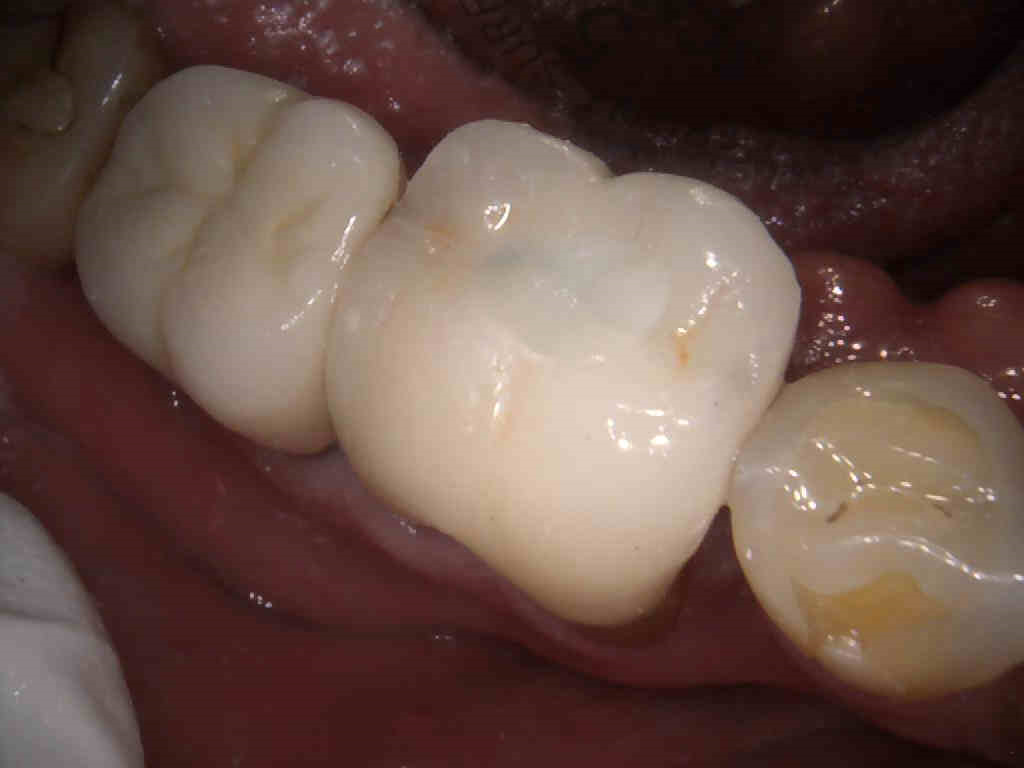
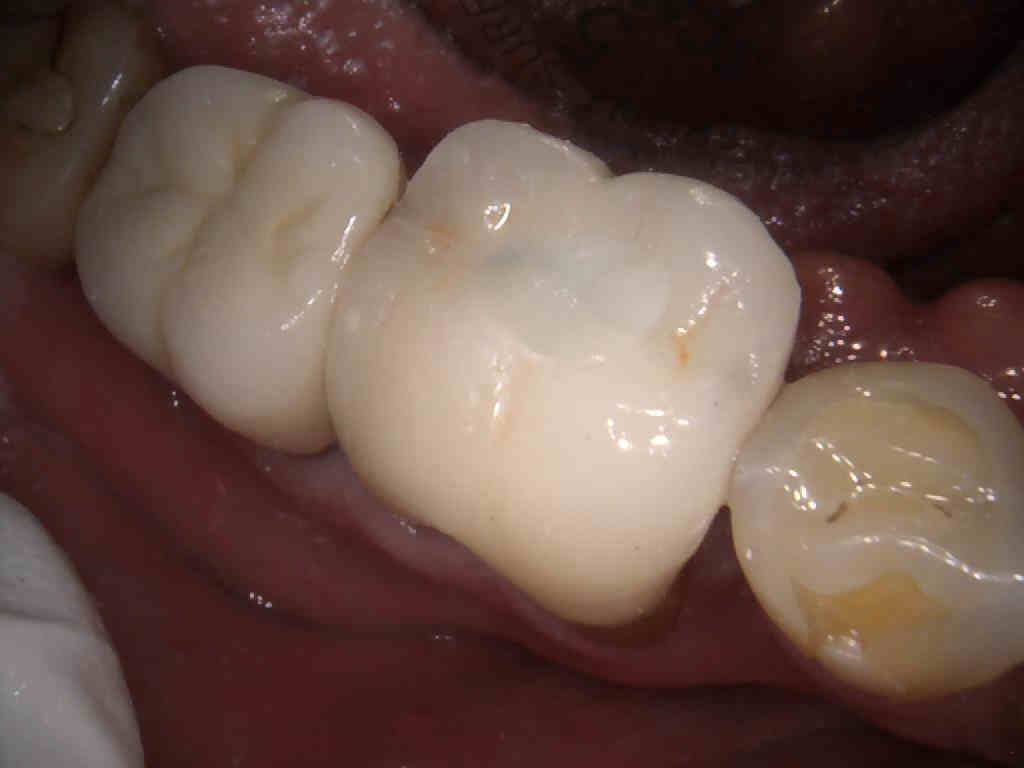
A common clinical scenario we face is closing an endo access opening through a crown. We now have a variety of ceramic materials and metals to restore, and we have to consider each material when going through a protocol for bonding composite to it.
Whether it is a PFM or e.max (monolithic or layered), I follow the same technique when closing an endo access hole: I bevel back the ceramic edge (approximately 1 mm), because the endodontist will generally leave a butt joint where the opening is made. Then I use ceramic etch, but note that depending on your ceramic, you’ll need different etch times and different strengths. E.max crowns etch with a 5% hydrofluoric acid for 20 seconds, and feldspathic porcelain etches 9% for one to two minutes. You need to have both percentages in your supplies!
Also, hydrofluoric acid will require rubber dam placement or a really well-isolated environment. I always apply one or the other, depending on the tooth site, tissues and risk of tongue involvement.
Then silane is applied, followed by an adhesive and then the composite material. Yes, it takes a few extra minutes for the ceramic etch to be effective, and another minute for the silane to dry; it might be easy to skip these steps, but it reassures me that the composite will bond well and reduce the incidence of leakage over time.
Because many of us are now using zirconia restorations, what is the protocol for closing access openings on these restorations?
I spoke with Dr. Robert Winter, whose lab fabricates all of my restorations, and he suggested that the endo access opening be not beveled but micro-air-abraded. The reason you don’t want to bevel is that composite resin doesn’t bond well to zirconia, so if the ceramic has a long bevel with a resulting thin layer of composite extending to the margin, it will be more likely to break down or chip off.
Remember that the entire occlusal surface may receive the abrasion, so the entire occlusal surface needs to be polished after placing the composite.
Then the endo access opening should be silanated. Both Dr. Winter and I use Monobond Plus for one minute, adhesive, and finally the composite placed.
Summary of endo access opening
- Zirconia restorations: No ceramic etch and no bevel, but do microetch.
- For PFM, feldspathic and e.max restorations: No microetch/air abrasion, but do bevel and use ceramic etch and silane.
- Remember, pay attention to what kind of ceramic you have before you select your etch.
I hope this is helpful to all of us needing to complete this procedure in a dental material world where protocols followed will make a big difference in outcomes.
SPEAR Membership
Try Spear Free For 7 Days
See what a Spear Membership can do for you and your team before you decide. A free 7-day trial gives you full access to Spear Online’s clinical CE courses and practice team training, so you can find the membership level that fits your practice.
Featured Digest articles
Insights and advice from Spear Faculty and industry experts