- Article
- Esthetics
Getting to Know Papillae
Mark Fleming
•
August 1, 2012
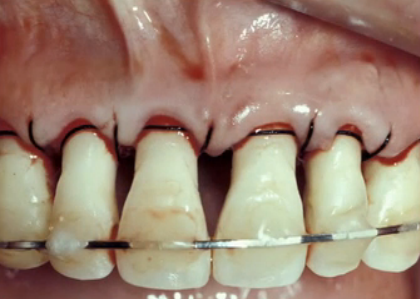
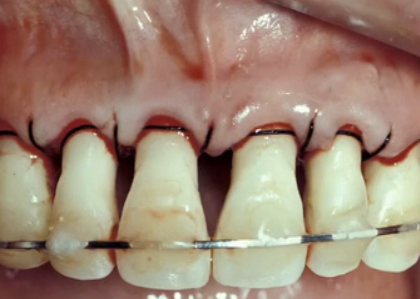
Papillae have been an intense area of focus of dental researchers for decades. Black triangles create fear in restorative dentists because most of us have not been taught why periodontium reacts the way it does. Understanding the biology and applying the principles discovered by research regarding the papillae can make working in the esthetic zone much more predictable and successful.
Papillae are very much like a coiled spring; when compressed, it will bounce back, and if it’s stretched, it goes back down. However, if we move papillae, it will regenerate back. How far back really depends on the patient, but the regeneration will re-create biologic width and produce a volume of tissue that’s coronal to the attachment. We can ultimately determine how tall the papillae will get by measuring the embrasure that balloon of fluid grows into.
Van-der-Velden-U conducted a study, Regeneration of the Interdental Soft Tissue Following Denudation Procedures, on posterior teeth to evaluate how much papillae regenerates on the average human. This study revealed that papillae consistently grow back at 4–4.5 mm above bone and develop a 2–2.5 mm sulcus depth.
SPEAR All access
One Membership, $555 More a Day
Practices on Spear All Access see a median daily production gain of $555, with a 9.9% median lift in hygiene production. That’s not from one course or one workshop. It comes from unlimited Spear and CDOCS workshops, the full online course library, role-based team training, practice analytics, and a dedicated Practice Growth Partner working with your team every month, all in one membership.
Featured Digest articles
Insights and advice from Spear Faculty and industry experts