- Article
- Spear Member Stories
Doctor Development in DSOs: The Missing Link
Spear Team
•
June 2, 2026

Turning education into a strategic growth advantage
Doctor development in DSOs often determines whether organizations scale with consistency or struggle to sustain momentum.
From the outside, many DSOs appear to be growing successfully. New locations. Full schedules. Steady recruiting.
But inside many organizations, operational strain quietly builds.
Talented doctors are working hard without a consistent clinical philosophy. Senior clinicians are stretched too thin to mentor effectively. Teams operate differently from one practice to the next. And despite everyone’s efforts, growth can start to feel reactive rather than intentional.
The problem usually isn’t commitment. It’s that no one has built a system for doctor development that can truly scale.
Doctor development in DSOs becomes increasingly difficult to scale as organizations expand across multiple locations. Operational growth may happen quickly through acquisitions, but building clinical consistency across doctors, teams, and locations is far more complex.
Without a structured development system, organizations often face production variability, uneven patient experiences, and growing pressure on senior clinicians to mentor at scale.
Why is doctor development in DSOs so difficult to scale?
As dental service organizations continue to grow nationwide, scaling doctor development has become increasingly complex.
According to the American Dental Association Health Policy Institute, the number of dentists affiliated with DSOs has increased significantly in recent years. Doctor development in DSOs is difficult to scale because experience levels vary widely, mentorship capacity is limited, and education is often decentralized across locations.
Without a standardized framework, clinical expectations, confidence, and performance can differ significantly from one practice to another.
Over time, this variability can create operational inefficiencies, uneven patient experiences, and production instability across the organization.
That was the reality Dr. Traci Portnoff encountered when she transitioned from leading her own successful private practice to overseeing doctor development within a multi-location organization.
She found talented clinicians who genuinely wanted to practice Great Dentistry, but many lacked consistent mentorship and a shared philosophy to guide decision-making. At the same time, senior doctors were fully booked, leaving little time for hands-on coaching. Plus, continuing education support varied by location, which meant doctor development in DSOs depended more on geography than strategy.
The consequences were predictable. Recruiting became harder. Retention suffered. Clinical standards varied across practices. Most importantly, untapped doctor potential directly affected patient care and productivity.
Dr. Portnoff believed doctor development did not have to remain fragmented. Large-group practices, she believed, could deliver consistent, exceptional dentistry but only if they invested in a structured, scalable approach to development. In other words, doctor development needed to function as an operational growth system, not simply an education expense.
For many DSOs, the difference between inconsistent outcomes and scalable growth comes down to how doctor development is structured. The table below compares traditional approaches with a standardized development model.
|
Traditional Approach |
Structured Doctor Development in DSOs |
|---|---|
|
Location-dependent mentoring |
Standardized curriculum across sites |
|
Inconsistent CE funding |
Defined learning pathways |
|
Variable clinical standards |
Shared philosophy and expectations |
|
Reactive training |
Proactive development strategy |
How can DSOs build a scalable doctor development model?
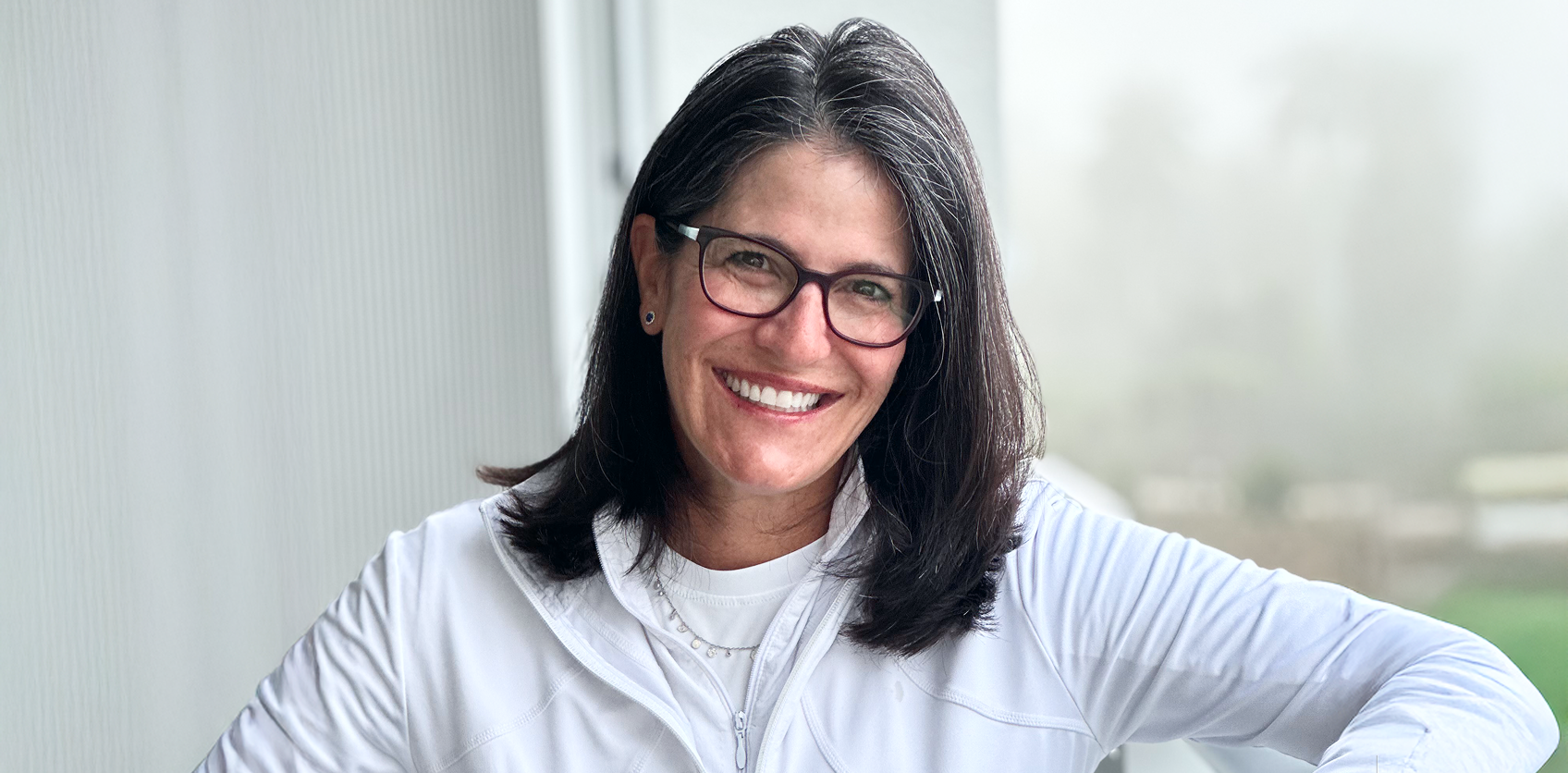
It’s possible to build a scalable model for doctor development in DSOs by standardizing clinical education, aligning it with organizational values, and delivering it through a platform that supports doctors at every experience level. A structured framework ensures consistency in training, decision-making, and performance across all locations while creating a repeatable growth engine for the organization itself.
Rather than accepting inconsistency as inevitable, Dr. Portnoff implemented a deliberate strategy to strengthen development across her organization. As Director of Doctor Development for Select Dental Management, which oversees 38 practices across the Northeast, she sought a model that could scale clinically and operationally.
She launched a pilot program with 10 doctors, using Spear Enterprise as the foundation for onboarding, ongoing clinical growth, and leadership development. Instead of relying on isolated champions within individual practices, the organization wanted a scalable system capable of driving consistent clinical and financial growth across all locations.
Spear Enterprise supported this model in two critical ways:
- Clinically: Spear’s philosophy and restorative standards aligned with the organization’s Clinical Advisory Board, creating a shared framework for diagnosis, treatment planning, and quality expectations. This alignment reduced variability and strengthened clinical confidence.
- Operationally: The Spear Online platform allowed education to scale across dozens of practices without overburdening senior clinicians. Doctors could prepare independently, review procedures before patient care, and follow structured learning pathways.
This allowed the organization to scale education across dozens of practices without proportionally increasing internal training infrastructure.
Beyond curriculum, Spear’s Partner Success Managers functioned as an extension of the internal education team. They helped tailor pathways, identify relevant resources, and maintain momentum, an often-overlooked but essential component of sustainable doctor development in DSOs.
Significantly, this structured approach also strengthened recruiting and retention. In competitive hiring markets, strong doctor development in DSOs has become a differentiator, as clinicians increasingly evaluate organizations based on long-term growth opportunities rather than just compensation. New graduates were drawn to a clear growth pathway. Experienced clinicians found renewed engagement, clinical community, and long-term opportunity.
The model also helped identify and develop future clinical leaders internally, reducing dependence on a small group of senior mentors.
To reinforce alignment and peer learning, Dr. Portnoff established a Spear Study Club within the organization. This created a safe, structured environment for case discussion, collaboration, and accountability, further embedding doctor development in DSOs into the culture, not just the curriculum.
What results can structured doctor development in DSOs deliver?
Structured doctor development in DSOs delivers measurable gains in production, retention, clinical confidence, and organizational consistency. When education is standardized and aligned with operational goals, the impact extends beyond individual clinicians to the entire enterprise.
Three years into implementation, the results within Select Dental Management are both clear and quantifiable.
Doctors consistently use Spear’s online learning platform to prepare for procedures, refine techniques, and strengthen diagnostic decision-making. Hands-on workshops further accelerate skill development, with clinicians returning more efficient, more confident, and better able to deliver higher-value, more predictable care.
Doctors speak a more consistent clinical language. Patient conversations have become clearer and more confident. Teams align more naturally around treatment planning and standards of care.
Instead of isolated clinicians trying to figure things out on their own, the organization built a shared culture of growth. The production gains followed.
- Repeat cohort doctors increased production per day by approximately 20%.
- New cohort doctors achieved an average 12% increase in daily production within three months, equating to roughly $1,000 more per doctor per day.
These improvements demonstrate that doctor development in DSOs directly influences financial performance, not just clinical education. What many organizations treat as a cost center is actually a measurable growth system that increases production, strengthens retention, and improves clinical consistency at scale.
For many organizations, this shift reflects a larger focus on clinical growth in DSOs, where doctor development, leadership alignment, and standardized care models work together to support scalable long-term performance.
Retention has also strengthened. Clinicians who may have considered leaving chose to stay because of the clinical growth system, mentorship environment, and professional community created through Spear Enterprise. In competitive markets, strong doctor development in DSOs became a differentiator in both recruitment and long-term engagement.
What began as an education initiative evolved into a strategic advantage, driving consistency across 38 practices while simultaneously elevating patient care and production.
When asked what she would tell other DSO leaders considering this approach, Dr. Portnoff’s answer is simple: “Just do it.”
Why does doctor development matter for DSO growth?
The strongest DSOs are not built only through acquisitions, operations, or recruiting. They are built through shared clinical confidence.
When doctors grow inside a clear, repeatable system, something bigger happens across the organization: teams align, patient trust deepens, standards become consistent, and growth stops depending on a handful of individual leaders holding everything together. Stronger doctor development in DSOs creates alignment that patients can feel, and clinicians want to stay part of. Doctor development becomes more than CE.
It becomes the engine that shapes culture, retention, patient care, and long-term momentum.
For organizations trying to scale without losing clinical consistency, the question is no longer whether doctor development in DSOs matters.
The question is whether the organization has built a system strong enough to grow with its people.
For DSOs trying to scale across multiple markets without sacrificing clinical consistency, doctor development in DSOs is no longer optional infrastructure. It’s become a strategic growth system that influences production, retention, leadership development, patient trust, and long-term organizational stability.
Organizations that invest in scalable doctor development create stronger alignment across teams, more confident clinicians, and a more consistent patient experience across every location.
Frequently Asked Questions
Spear Enterprise
Standardize Clinical Quality Across Every Location
When every doctor ramps up differently, production and clinical consistency vary from practice to practice. Spear provides your organization with structured onboarding and role-based training pathways, so new doctors reach full productivity faster, and every location upholds the same clinical standard.
The result: up to $2,200 per day in increased doctor production.
Featured Digest articles
Insights and advice from Spear Faculty and industry experts