Customized Impression Coping for a Single Tooth Implant in a Maxillary Central Incisor

The esthetic success of an anterior implant-supported restoration mostly depends on having a soft-tissue architecture indistinguishable from the adjacent teeth. One of the most critical steps to achieve this “esthetic success” is correctly using the provisional restoration to optimize and properly contour (groom) the peri-implant tissue anatomy.

Once the optimal emergence profile has been developed, we need to communicate and transfer this information properly to the laboratory. Unfortunately, all implant companies provide stock round impression copings that do not precisely transfer the soft-tissue contours. A simple protocol to communicate this information is described here.

This visual essay walks through a step-by-step description of how to fabricate a personalized impression coping with transfer ofthe peri-implant tissue anatomy properly.
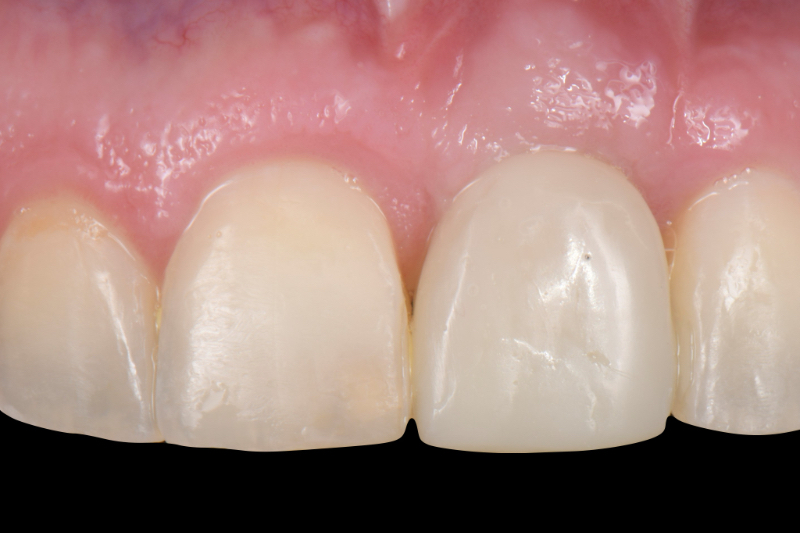
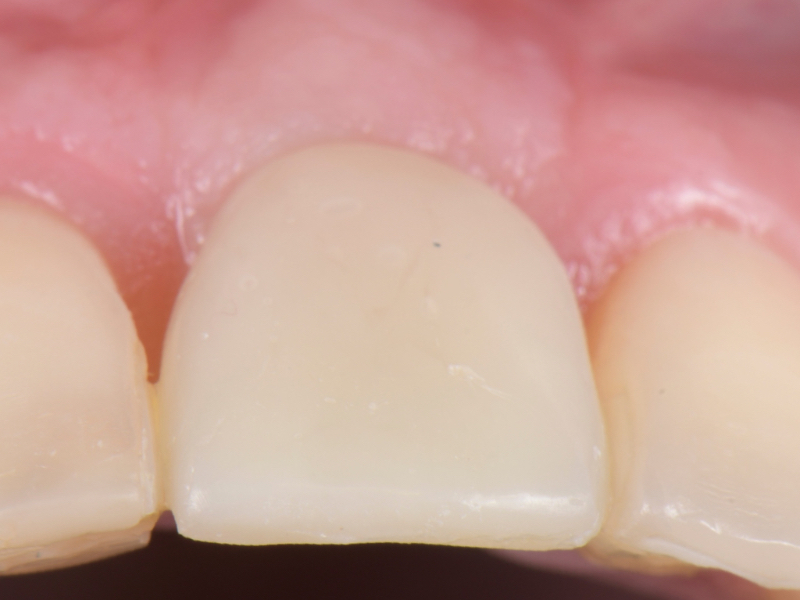
RicardoMitrani CustImpressCopingSingleTooth Fig.1
Figure 1: Frontal view of an implant-supported provisional restoration on the maxillary left central incisor after tissue maturation.
RicardoMitrani CustImpressCopingSingleTooth Fig.2
Figure 2: Close-up view of the buccal soft tissue depicting proper support of the provisional.
RicardoMitrani CustImpressCopingSingleTooth Fig.3
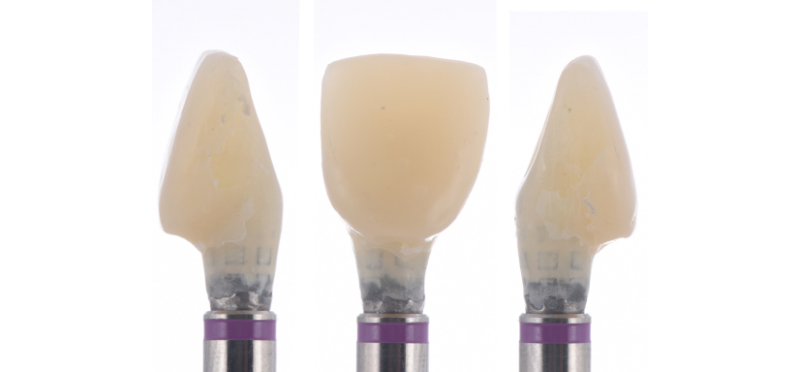
Figure 3: Different views of the provisional restoration secured in an implant analog. Note the emergence profile contours.
RicardoMitrani CustImpressCopingSingleTooth Fig.4
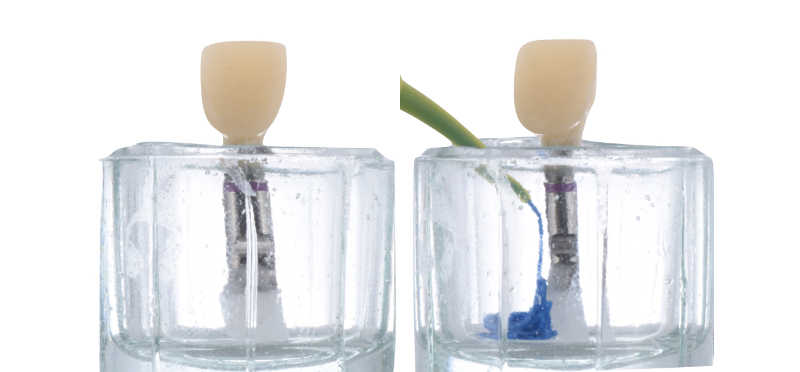
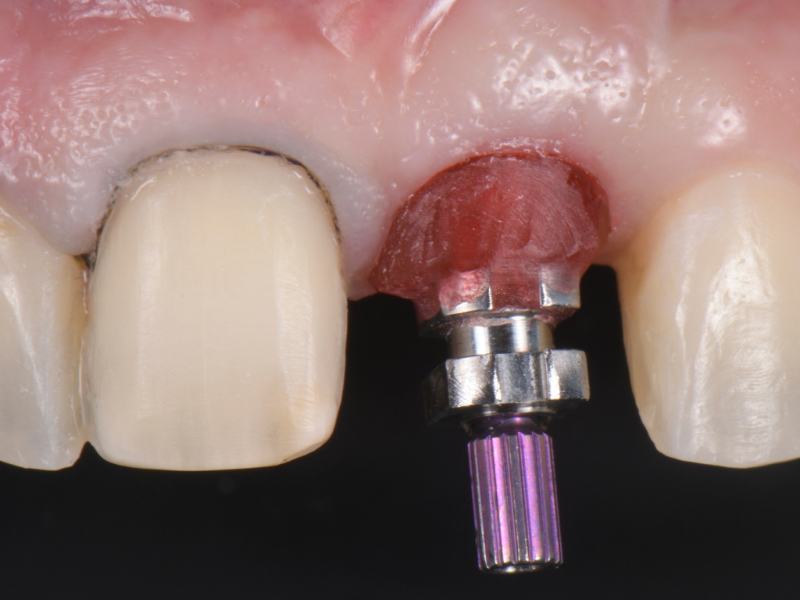
Figure 4: The provisional attached to the implant analog is positioned in a dappen dish, and heavy body vinyl polysiloxane (PVS) is injected around the analog (laboratory silicone putty can also be used).
RicardoMitrani CustImpressCopingSingleTooth Fig.5
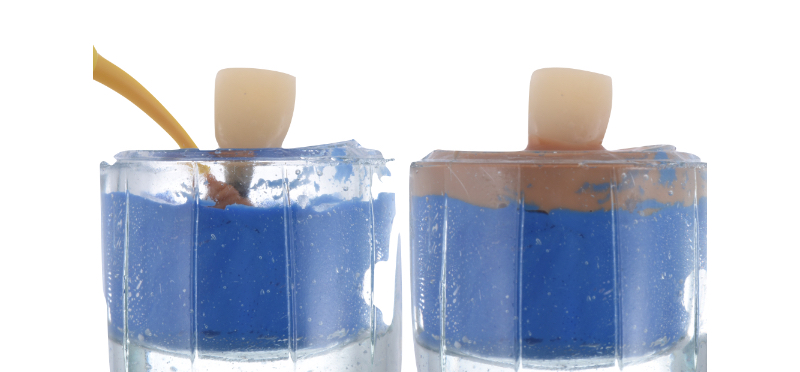
Figure 5: Light body PVS is injected around the emergence profile of the provisional. The PVS should go above the “clinical crown” contour of the provisional to ensure the submucosal contours are correctly impressed.
RicardoMitrani CustImpressCopingSingleTooth Fig.6
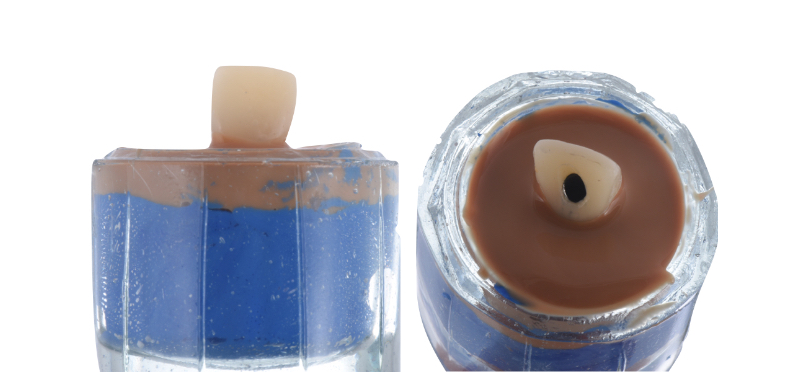
Figure 6: Different views of the provisional inside the PVS after polymerization.
RicardoMitrani CustImpressCopingSingleTooth Fig.7
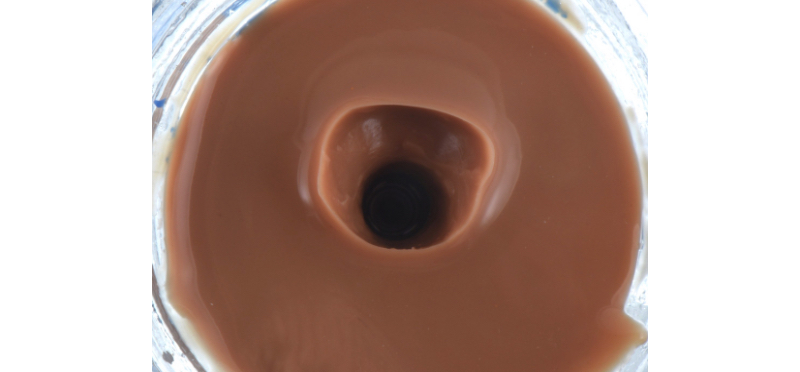
Figure 7: After removal of the provisional restoration, verify that the submucosal contours are captured precisely by the light body PVS.
RicardoMitrani CustImpressCopingSingleTooth Fig.8
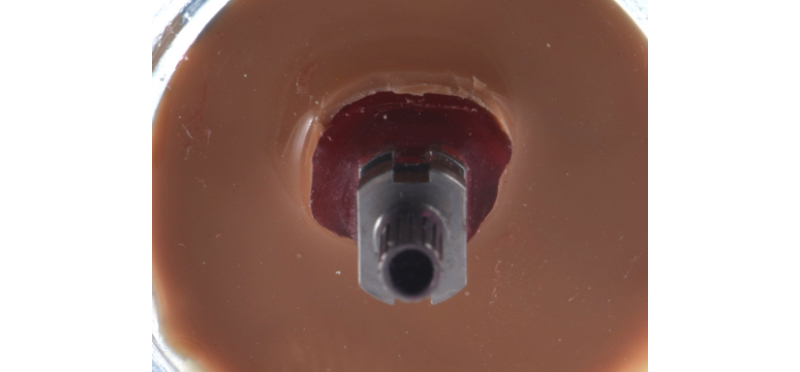
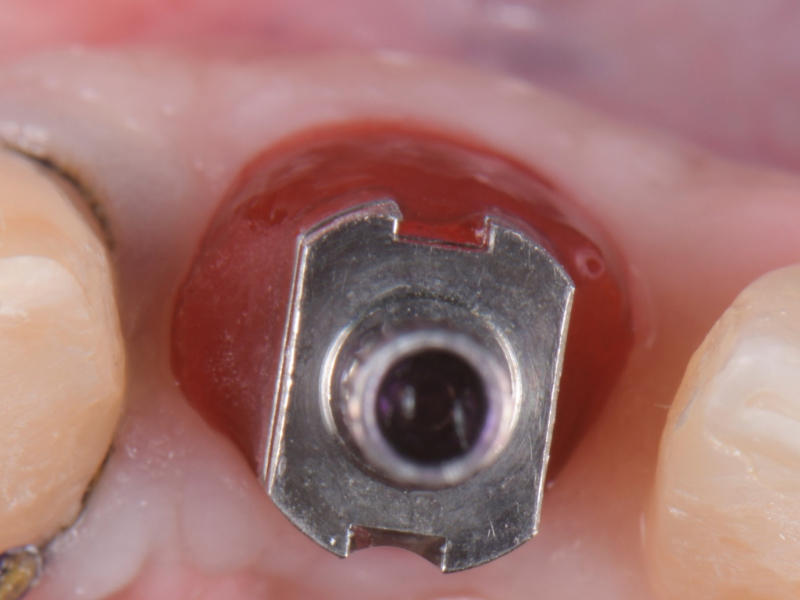
Figure 8: The impression coping is attached to the analog, and PATTER RESIN (a low-shrinkage flowable composite can also be used) is injected into the area to copy the contours impressed by the PVS properly.
RicardoMitrani CustImpressCopingSingleTooth Fig.9
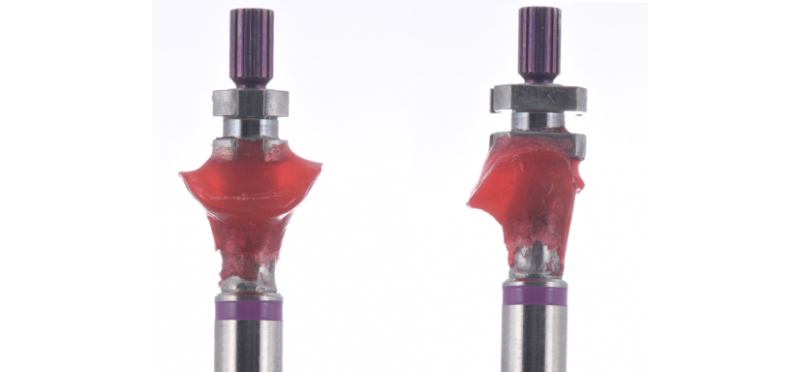
Figure 9: Frontal and lateral view of the personalized impression coping simulating the emergence profile that will support the soft tissue.
RicardoMitrani CustImpressCopingSingleTooth Fig.10
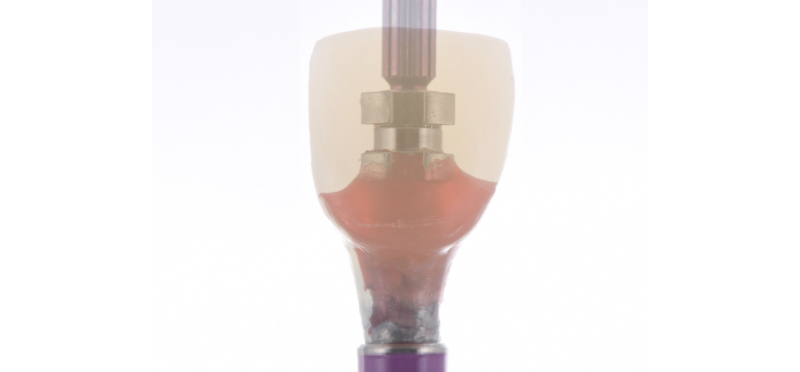
Figure 10: Superimposed image of the provisional restoration and impression coping showing appropriate transfer of the emergence profile.
RicardoMitrani CustImpressCopingSingleTooth Fig.11
Figure 11: Personalized impression coping attached to the implant in #9 and veneer preparation on #8.
RicardoMitrani CustImpressCopingSingleTooth Fig.12
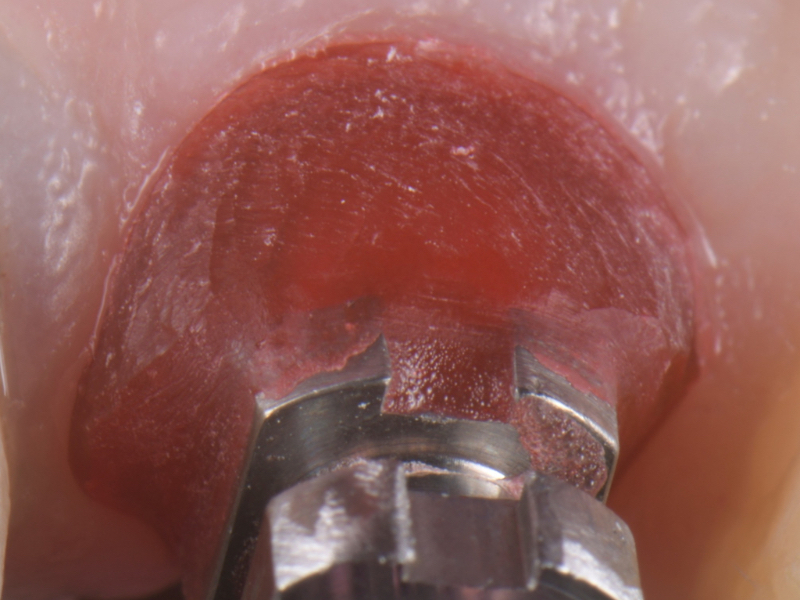
Figure 12: View of the buccal soft tissue with proper support of the personalized impression coping.
RicardoMitrani CustImpressCopingSingleTooth Fig.13
Figure 13: Close-up view of the PATTER RESIN with proper soft tissue support.
RicardoMitrani CustImpressCopingSingleTooth Fig.14
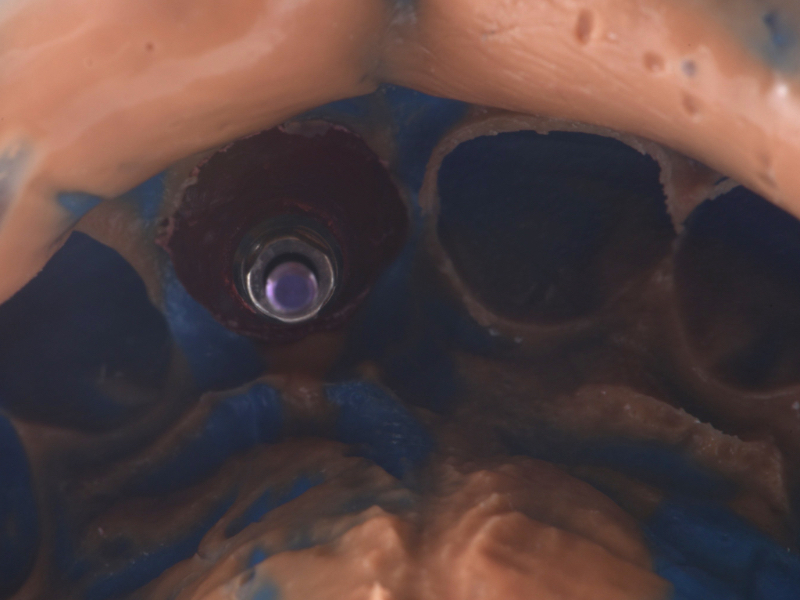
Figure 14: Open tray pick-up impression of personalized impression coping on implant #9 and veneer preparation for tooth #8 utilizing PVS.
RicardoMitrani CustImpressCopingSingleTooth Fig.15
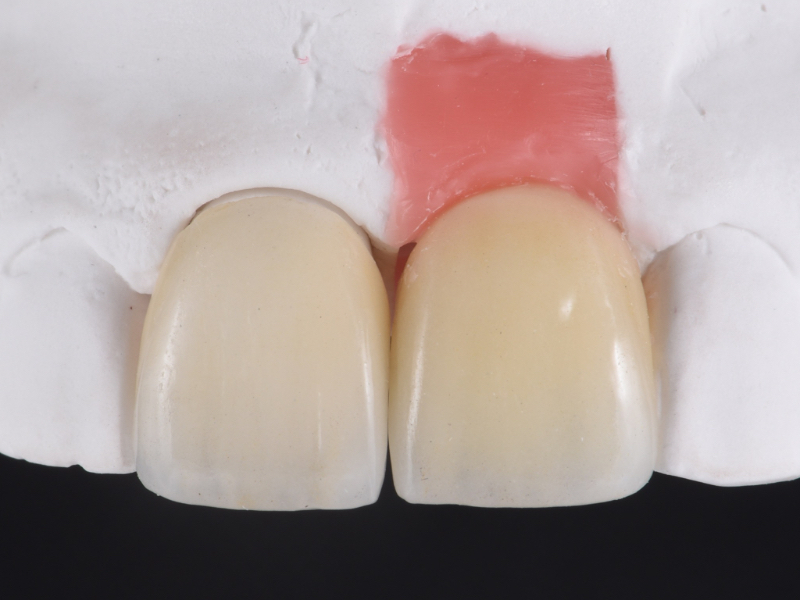
Figure 15: Definitive restorations on the master cast.
RicardoMitrani CustImpressCopingSingleTooth Fig.16
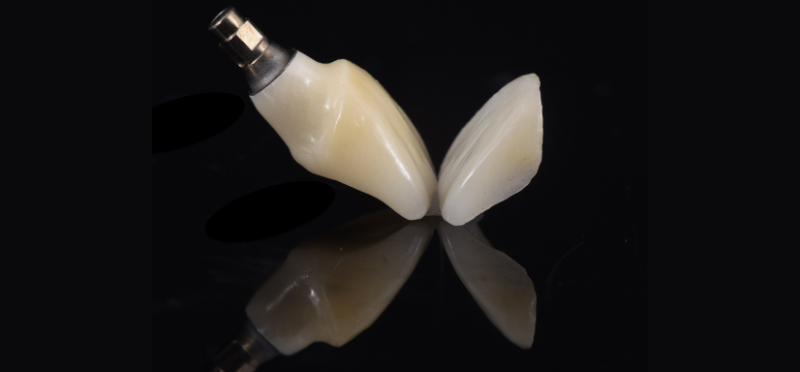
Figure 16: A Layered zirconia crown was bonded to a Variobase on implant #9, and a feldspathic veneer was fabricated for #8 to improve the contours and esthetics.
RicardoMitrani CustImpressCopingSingleTooth Fig.17
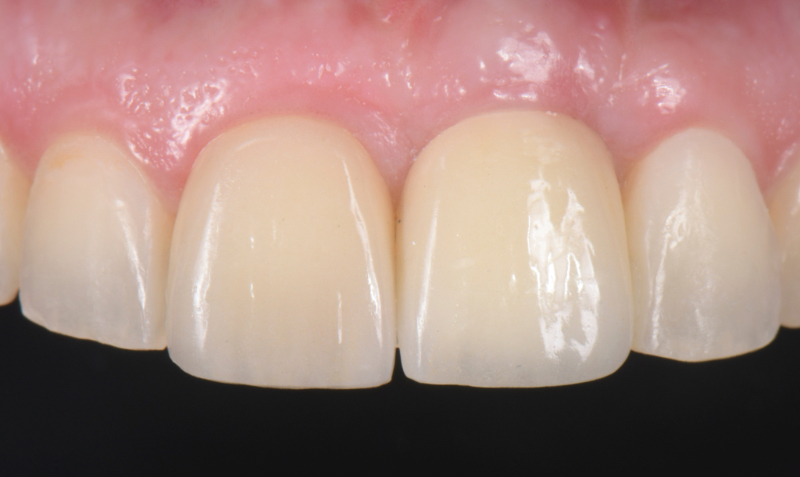
Figure 17: Frontal view of definitive restorations at 12 weeks post-insertion.
RicardoMitrani CustImpressCopingSingleTooth Fig.18
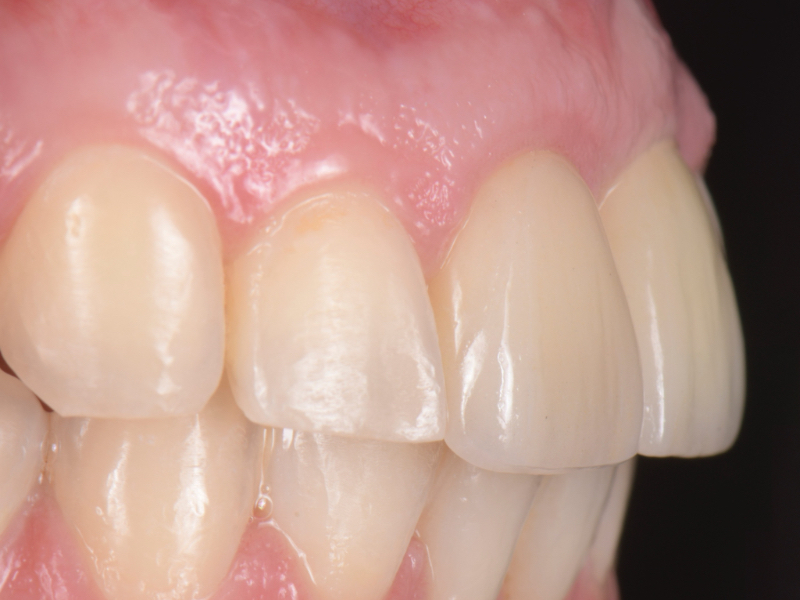
Figure 18: Lateral view of definitive restorations. Note the adequate volume and support of the soft tissue.
RicardoMitrani CustImpressCopingSingleTooth Fig.19
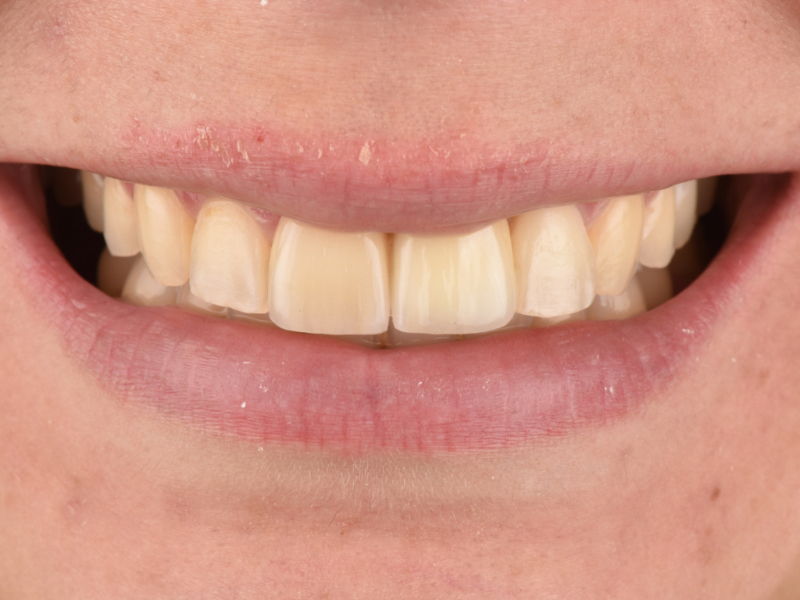
Figure 19: Frontal view of the final smile of the patient. Note the adequate esthetic integration of the restorations.
RicardoMitrani CustImpressCopingSingleTooth Fig.20
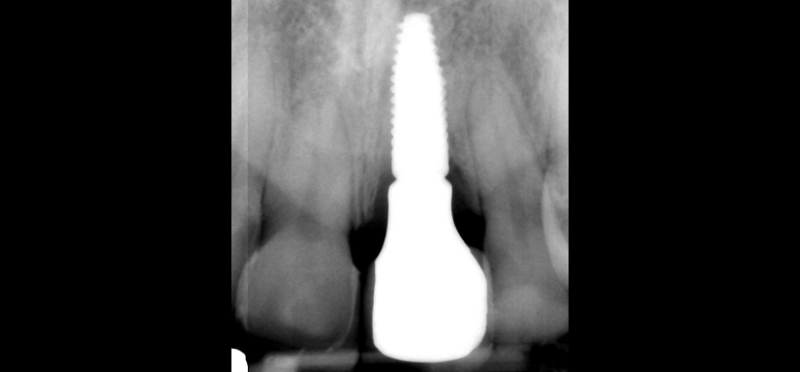
Figure 20: Radiograph of the definitive restorations.

A step-by-step technique for fabricating a personalized impression coping was described to optimize the transfer of the peri-implant soft tissue architecture to the laboratory.

SPEAR STUDY CLUB

Join a Club and Unite with
Like-Minded Peers

In virtual meetings or in-person, Study Club encourages collaboration on exclusive, real-world cases supported by curriculum from the industry leader in dental CE. Find the club closest to you today!


Featured Digest articles

Insights and advice from Spear Faculty and industry experts