- Article
- Implants
Screw Retained Implant Crown vs Cement-Retained: Which is Best?
Andy Janiga
•
January 22, 2020
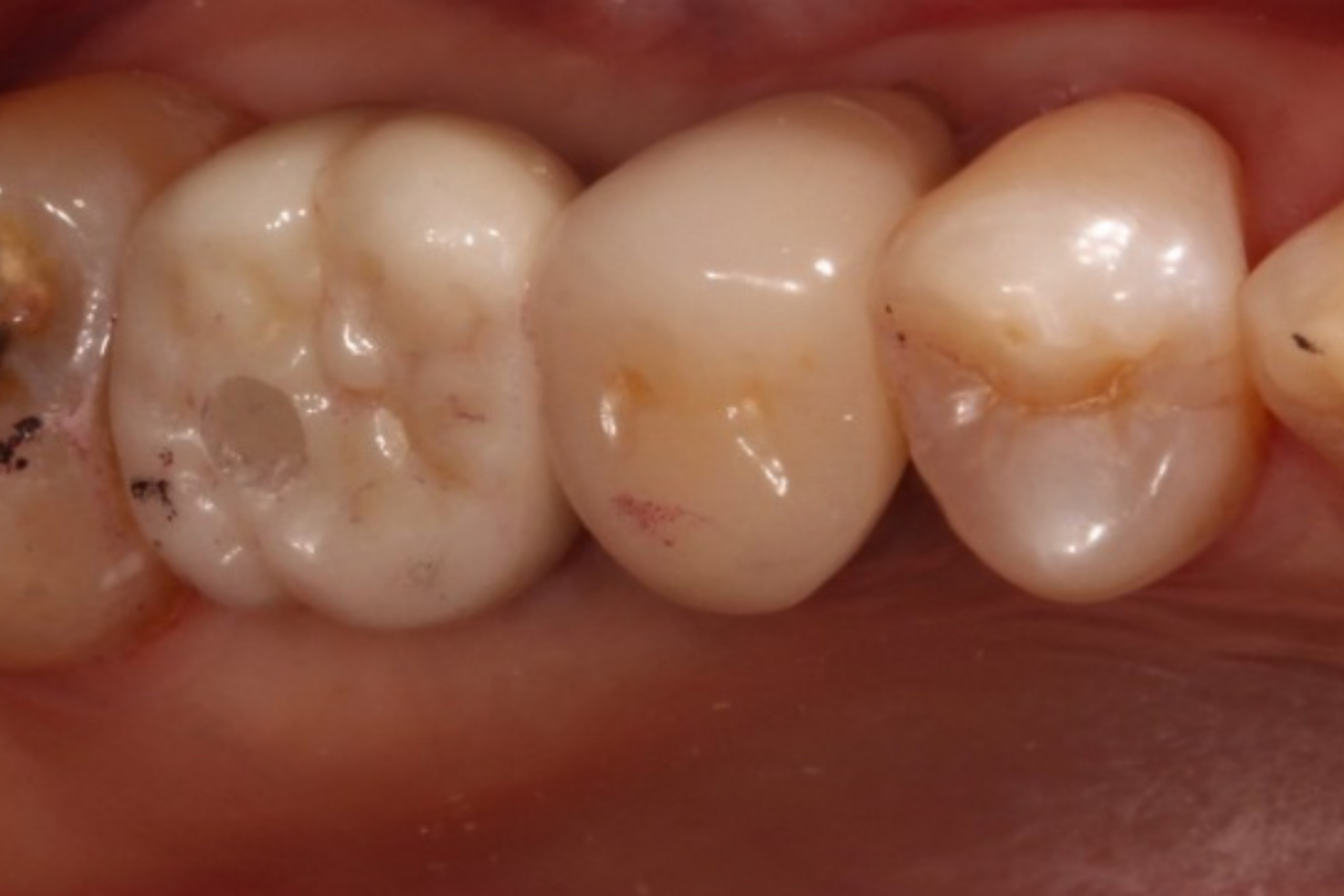
One of the most common questions in implant dentistry is whether to restore a single implant with a screw retained implant crown or a cement-retained restoration. The answer depends on several factors, including implant position, esthetics, retrievability, insertion path, and long-term maintenance. While many clinicians now favor screw-retained restorations because they eliminate cement-related complications, cement-retained restorations continue to play an important role in specific clinical situations.
Understanding the advantages and limitations of each approach allows clinicians to select the most predictable restoration for every patient.
Why did implant restorations evolve from cement-retained to screw-retained?
Early dental implant systems looked very different from those used today. Many lacked internal implant connections and anti-rotational features, making it difficult to fabricate predictable single-unit restorations. Splinting implant restorations to adjacent teeth was often necessary to prevent rotation.
As implant systems evolved, manufacturers introduced internal connections and anti-rotational designs that made free-standing implant crowns possible. During the late 1980s, clinicians increasingly adopted screw-retained restorations because they could be removed if repairs or maintenance became necessary.
As custom abutments became more widely available in the 1990s and early 2000s, cement-retained restorations gained popularity because they improved esthetics by eliminating the screw access hole.
Today, advances in implant design and growing awareness of peri-implant disease have shifted many clinicians back toward the screw retained implant crown for single-unit restorations.
What is a cement-retained implant restoration?
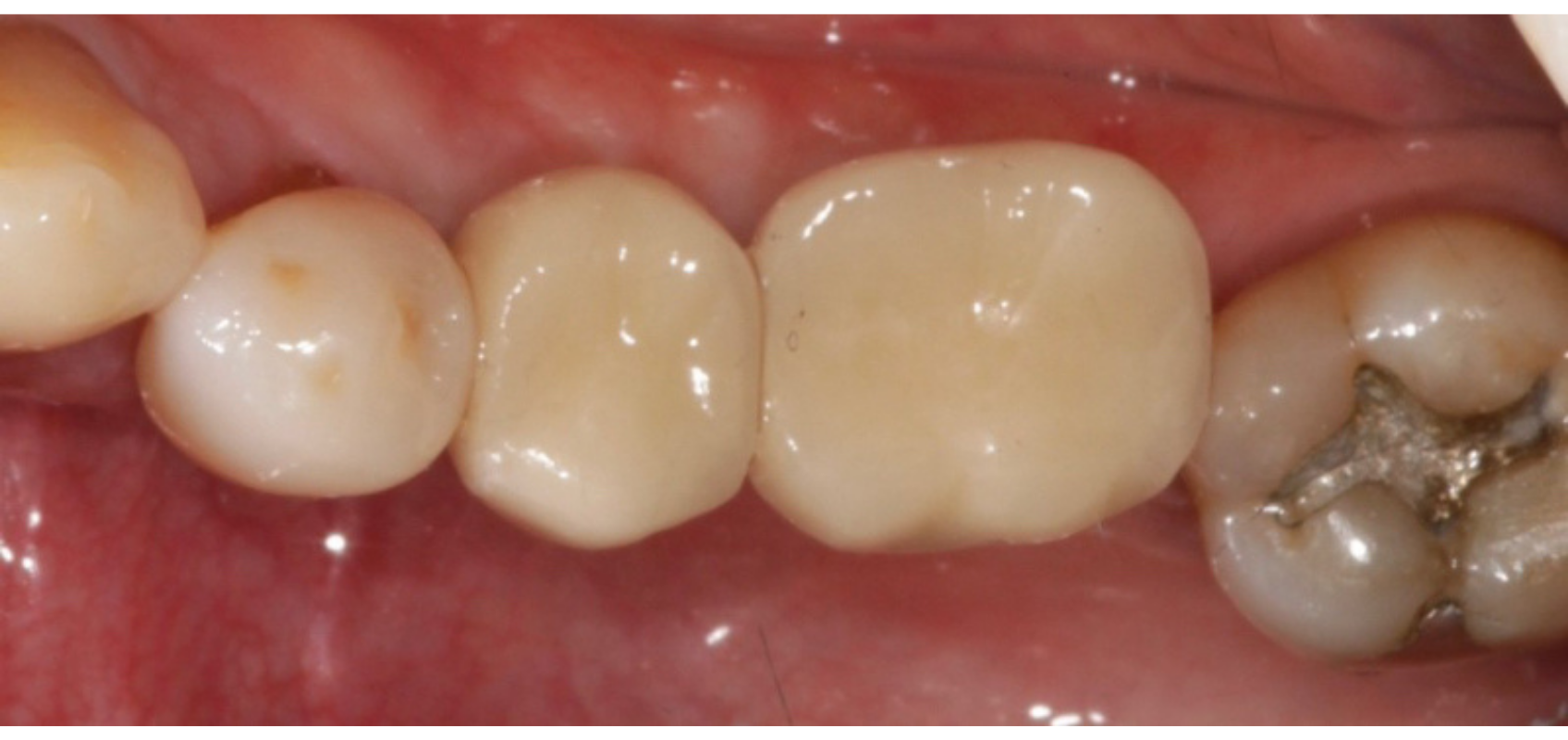
A cement-retained implant restoration consists of an implant abutment with a crown cemented over it. The abutment may be either a prefabricated stock component or a custom-designed abutment.
Custom abutments offer an important advantage because they allow clinicians to position the crown margin closer to the gingival margin. Creating a more supragingival finish line makes excess cement easier to detect and remove while also improving maintenance.
Cement-retained restorations also offer excellent esthetics by eliminating the occlusal screw access hole.
What are the disadvantages of cement-retained implant crowns?
The greatest concern with cement-retained restorations is residual cement.
When excess cement remains beneath the gingival tissues, it can contribute to inflammation, peri-implant mucositis, and eventually peri-implantitis. Numerous studies have demonstrated a relationship between retained cement and implant complications.
Prosthodontist Dr. Chandur Wadhwani has shown how residual cement can initiate inflammation that contributes to bone loss around implants. Because of these findings, clinicians should design crown margins that facilitate cement removal and obtain a post-cementation radiograph whenever excess cement is suspected.
Dr. Georgios Kotsakis recommends positioning implant crown margins no deeper than approximately 1 mm below the gingival margin whenever possible. He also recommends considering zinc oxide eugenol or zinc phosphate cements because resin-based cements tend to accumulate more biofilm, increasing the risk of inflammation.
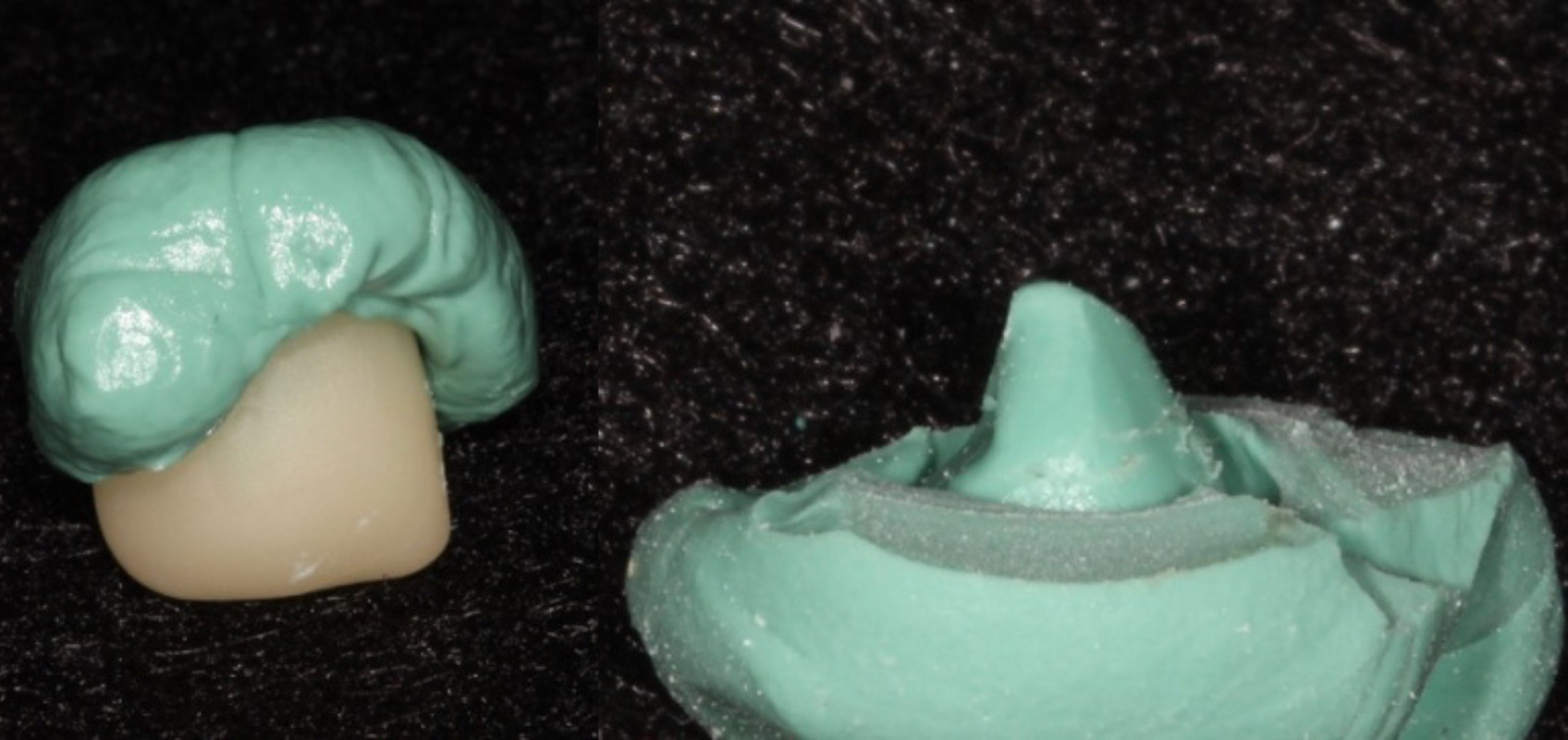
One practical technique for reducing excess cement is to fabricate an extraoral die from the intaglio surface of the restoration.
Before cementation, Teflon tape is placed inside the crown, and a putty or bite registration material is injected into the intaglio surface to create a custom die. When the crown is later loaded with cement and seated on the die, excess cement is expressed extraorally rather than around the implant.
What is a screw retained implant crown?
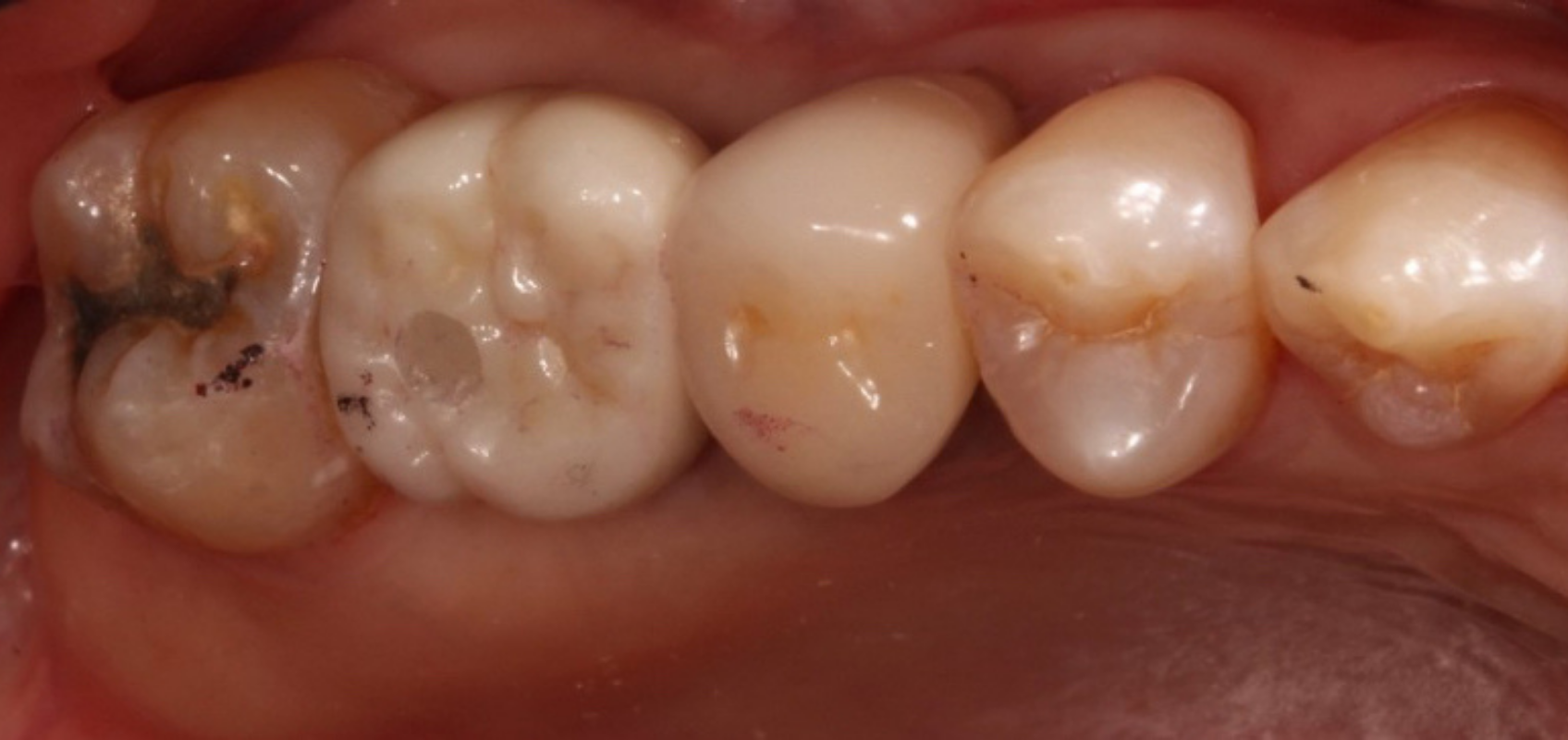
A screw retained implant crown is fabricated as a single restoration that attaches directly to the implant using a retaining screw rather than dental cement.
Because no cement is required, the risk of cement-induced peri-implant inflammation is eliminated. As awareness of peri-implant disease has grown, many clinicians now consider a screw retained implant crown the preferred restoration for single-unit implants whenever implant positioning allows.
What are the advantages of a screw retained implant crown?
A screw retained implant crown offers several important clinical advantages:
- Eliminates the risk of residual cement.
- Reduces the likelihood of cement-associated peri-implantitis.
- Allows predictable retrieval for maintenance or repair.
- Simplifies replacement if porcelain fractures or occlusal wear develops.
- Makes correcting open contacts or prosthetic complications significantly easier.
Retrievability is one of the greatest long-term benefits. If maintenance becomes necessary years after placement, the restoration can often be removed without damage.
What are the disadvantages of a screw retained implant crown?
Although a screw retained implant crown provides many advantages, it is not appropriate for every clinical situation.
The restoration requires sufficient implant angulation so that the screw access emerges in an acceptable location. If implant positioning is unfavorable, the screw access hole may compromise esthetics or occlusion.
In addition, screw-retained restorations generally require a more precise insertion path than cement-retained restorations.
How do implant angulation and insertion path affect a screw retained implant crown?
Successful delivery of a screw retained implant crown depends not only on the screw access location but also on the implant’s insertion path.
When evaluating implant position, clinicians should assess the relationship between the implant and the contours of adjacent teeth, not simply the adjacent roots. Implant placement based solely on root position may create an insertion path that prevents the restoration from seating fully.
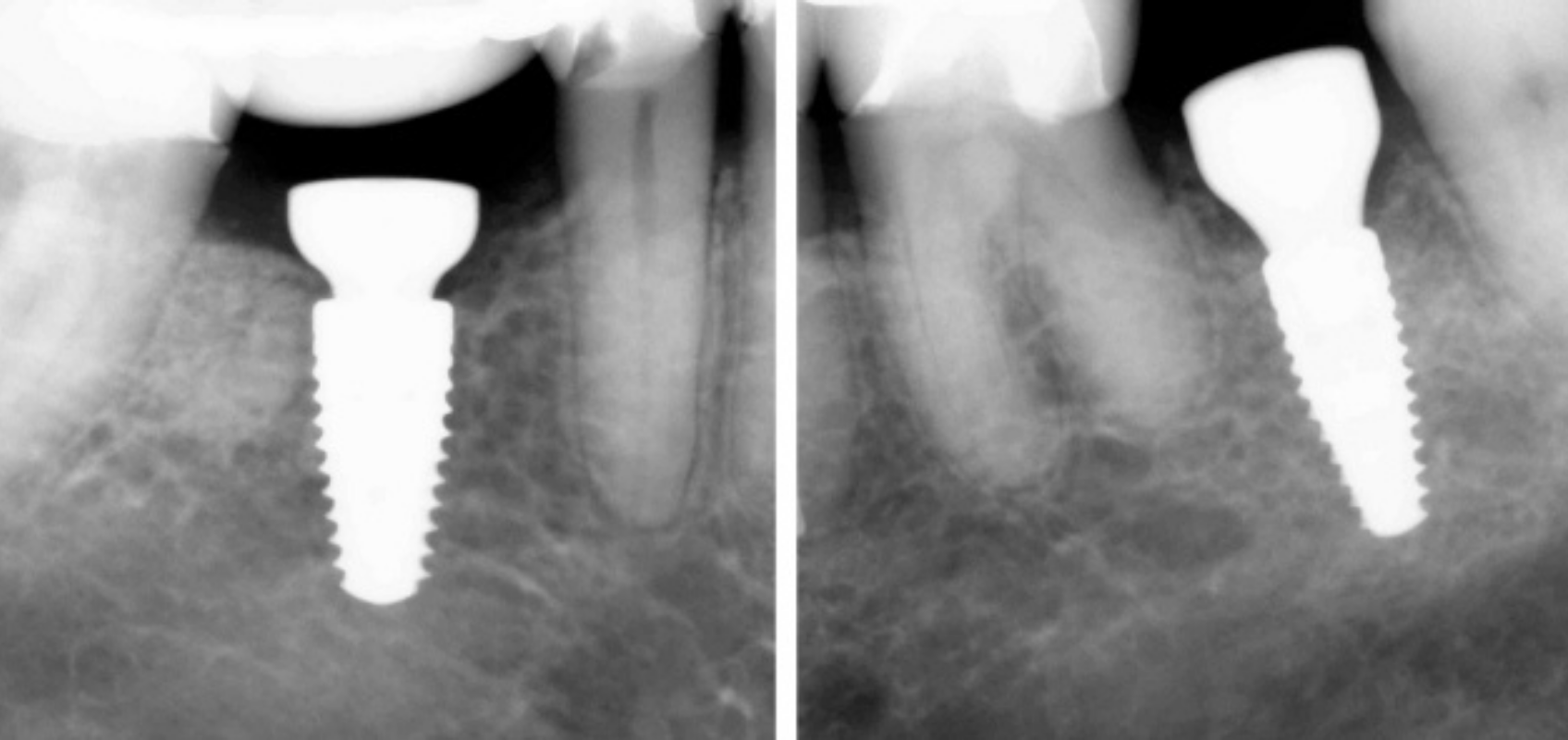
Most implant abutments extend several millimeters into the implant, engaging both the internal Morse taper and indexing features. Because of this geometry, the implant’s insertion path determines whether the restoration can pass between adjacent teeth.
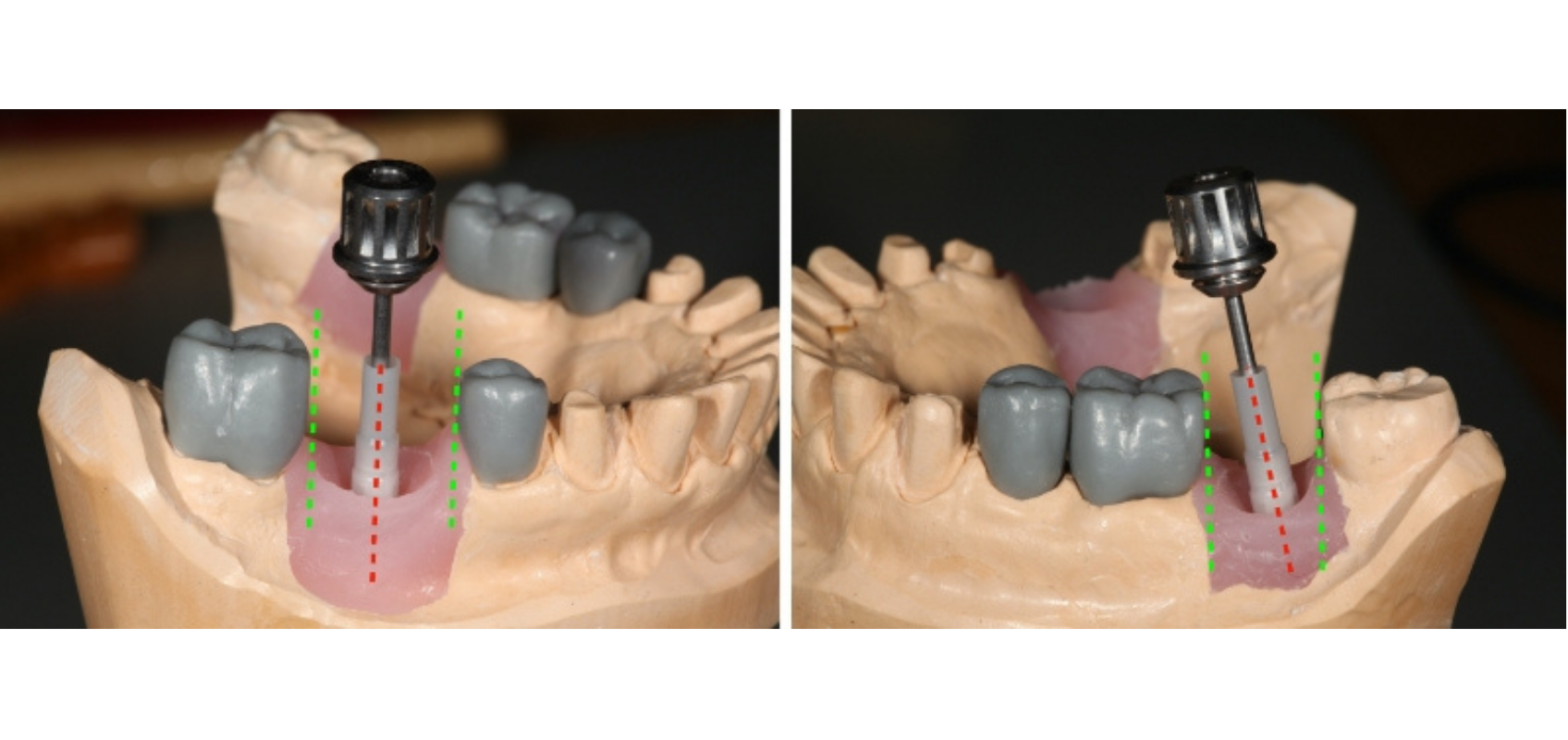
Changing from a straight screw channel to an angled screw access channel does not change the insertion path itself. A straight screw channel generally allows only about 10 degrees of correction before an angled access becomes necessary.
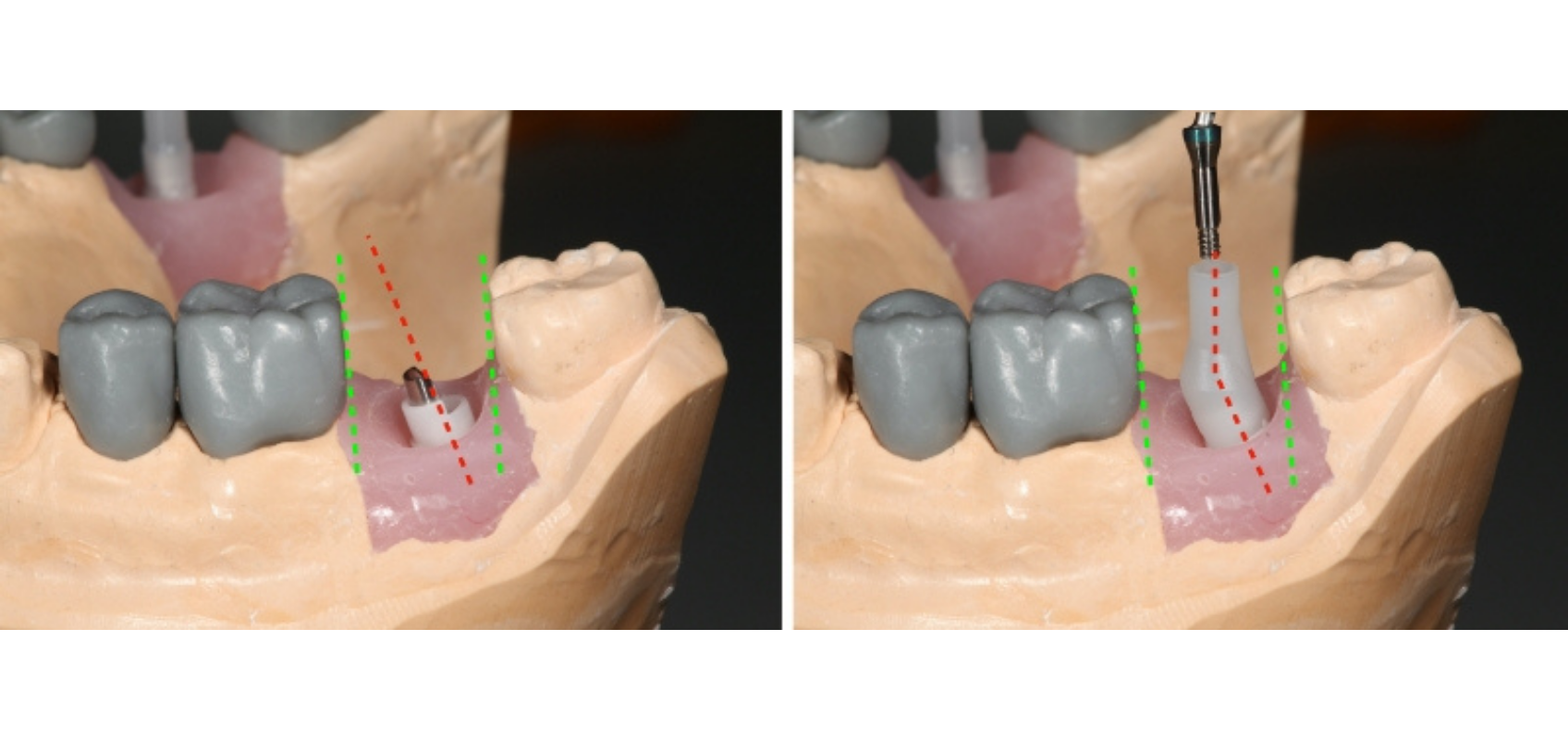
If insertion path interference exists, minor adjustments to adjacent tooth contours or the restoration itself may create sufficient clearance. However, these adjustments may enlarge the gingival embrasure and create areas prone to food impaction.
When these compromises become unacceptable, a cement-retained restoration may provide the more predictable solution.
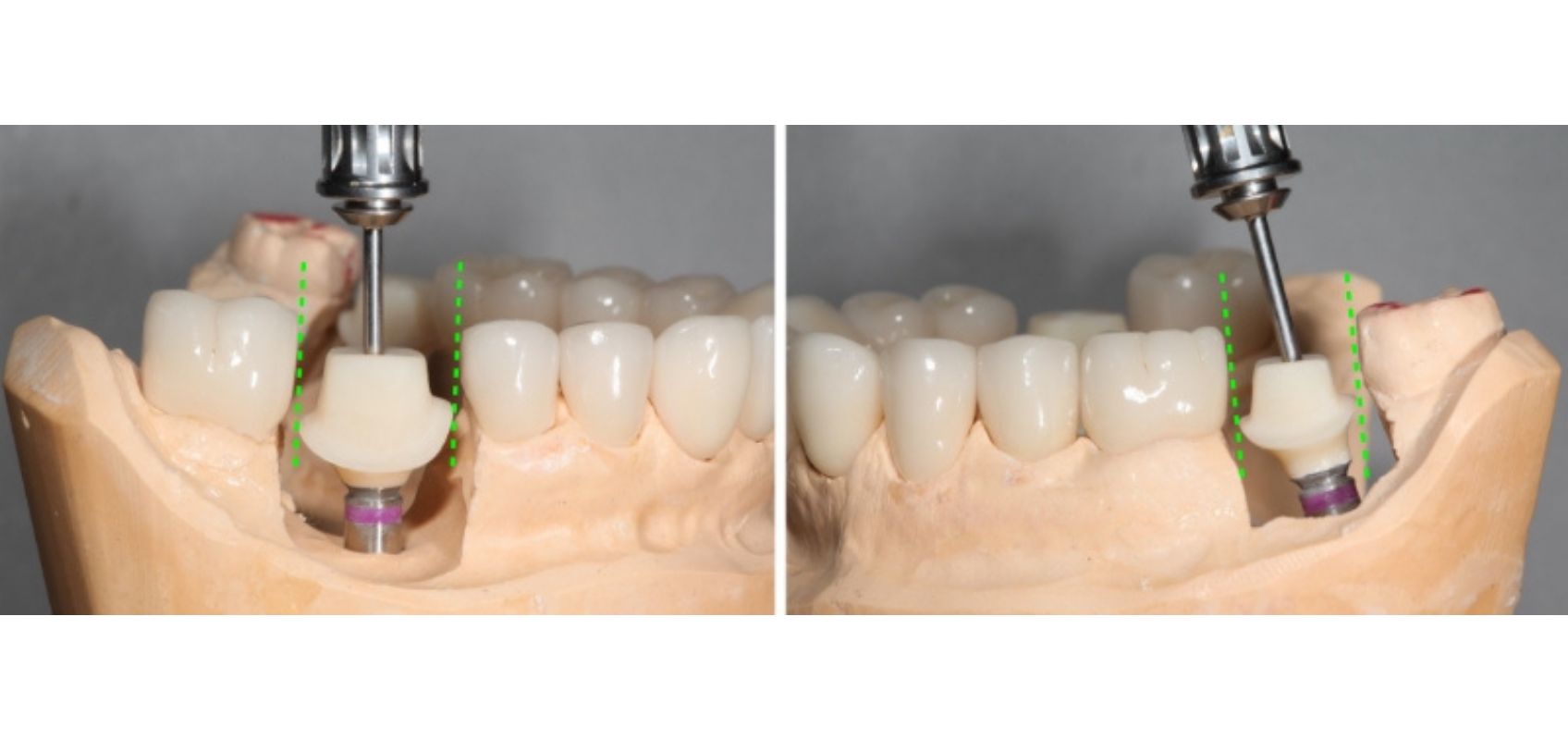
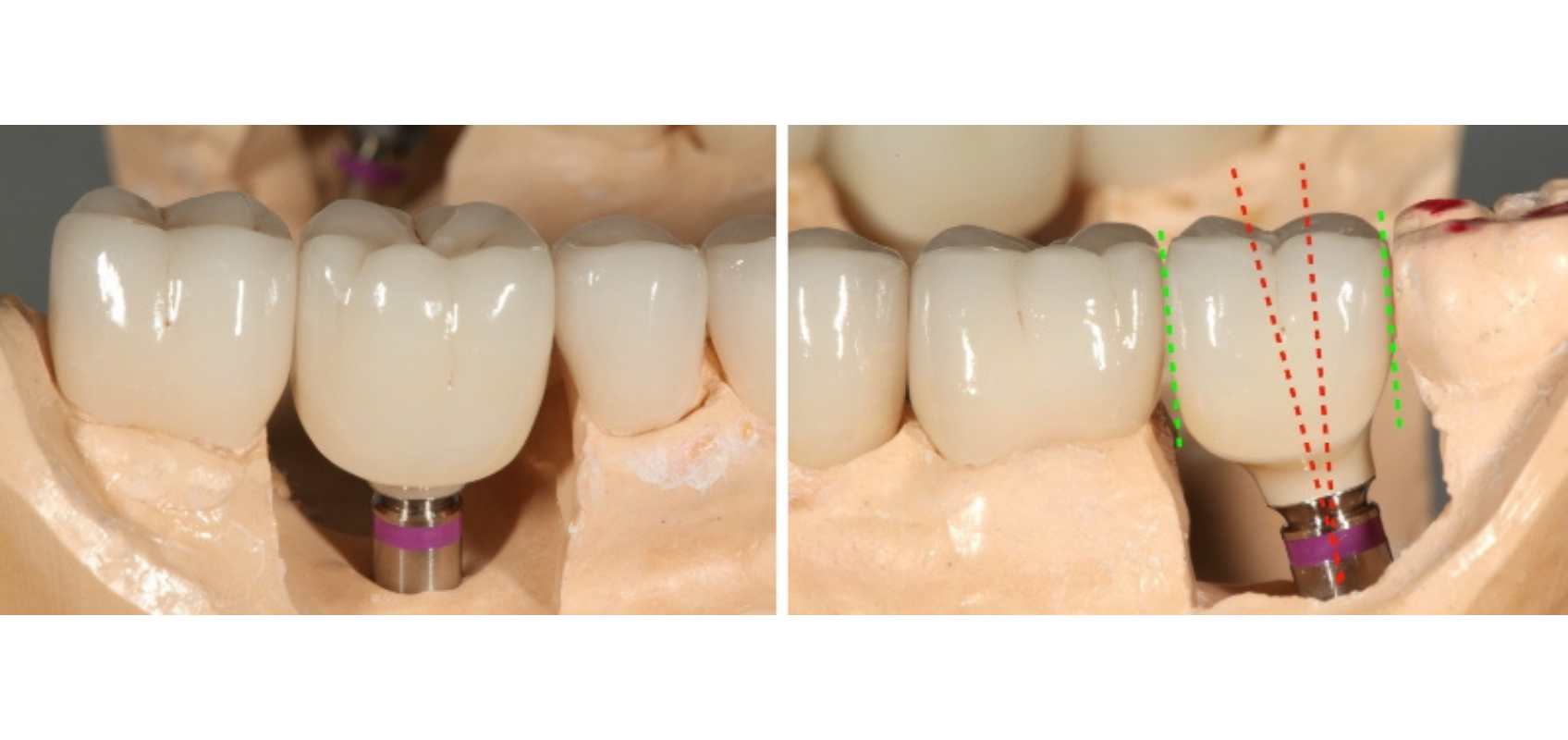
Two-piece restorations deserve additional attention. When a crown is cemented onto a separate abutment to create a one-piece screw-retained restoration, both the crown and abutment should be individually tried in before extraoral cementation because each follows a different insertion path.
What is a screwmentable implant crown?
A screwmentable restoration combines features of both restoration types.
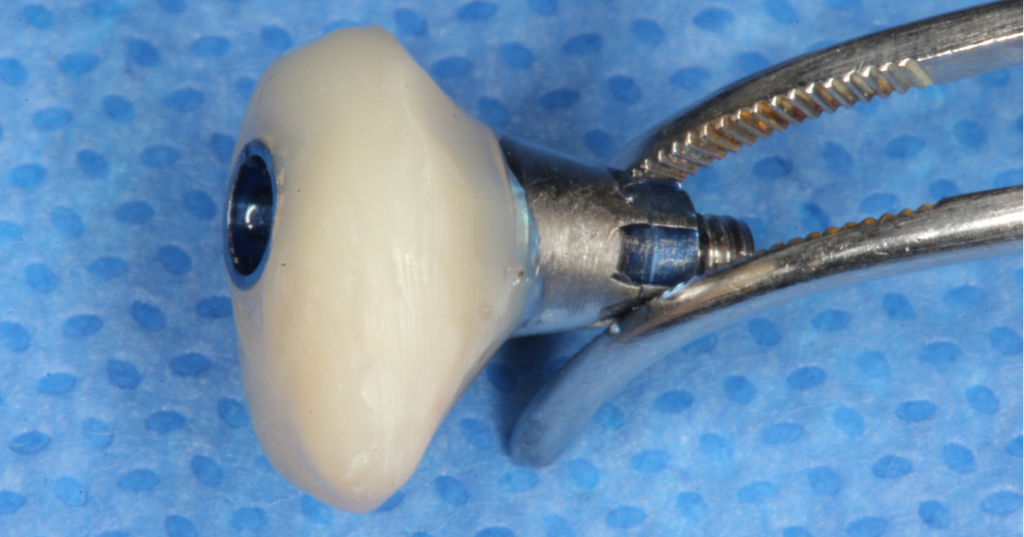
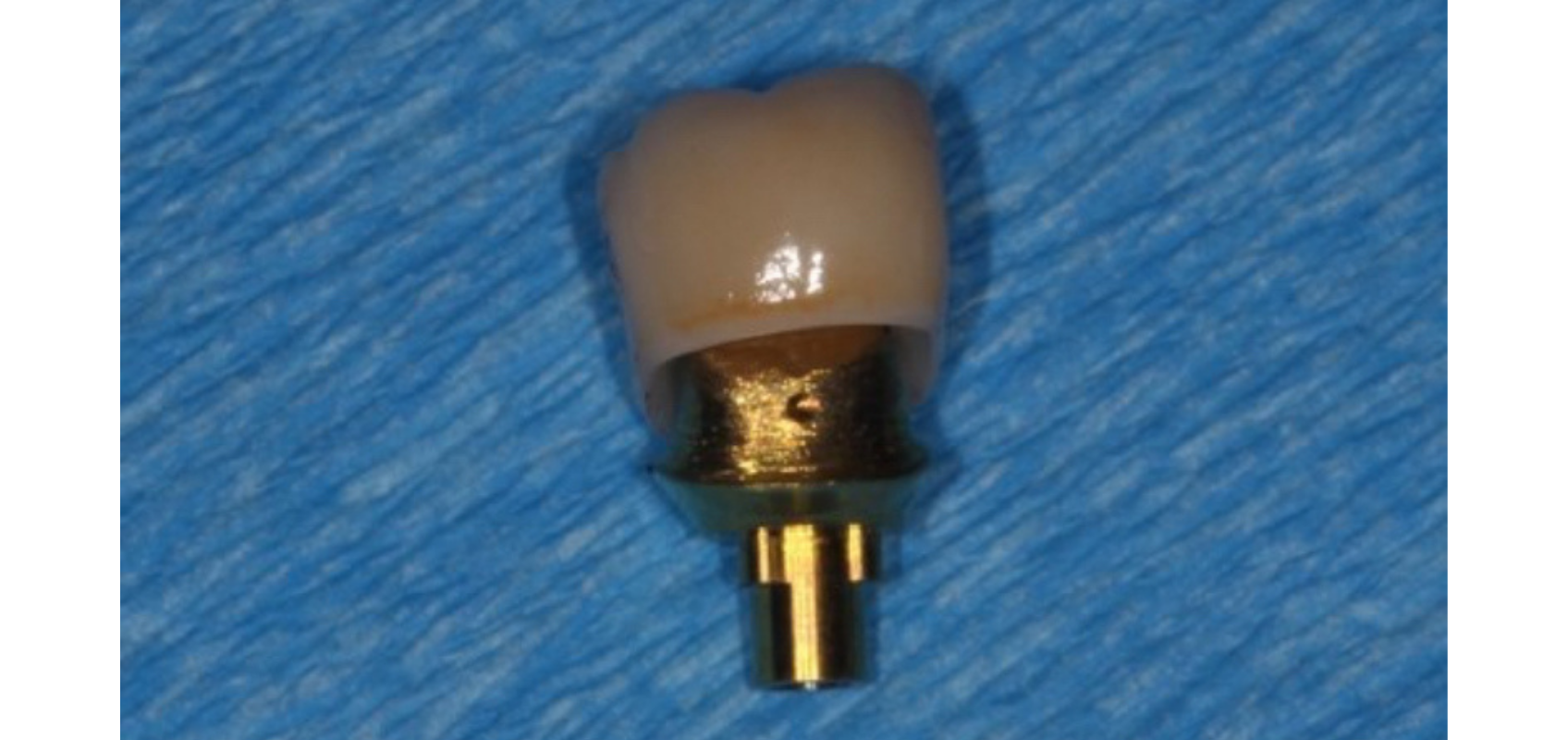
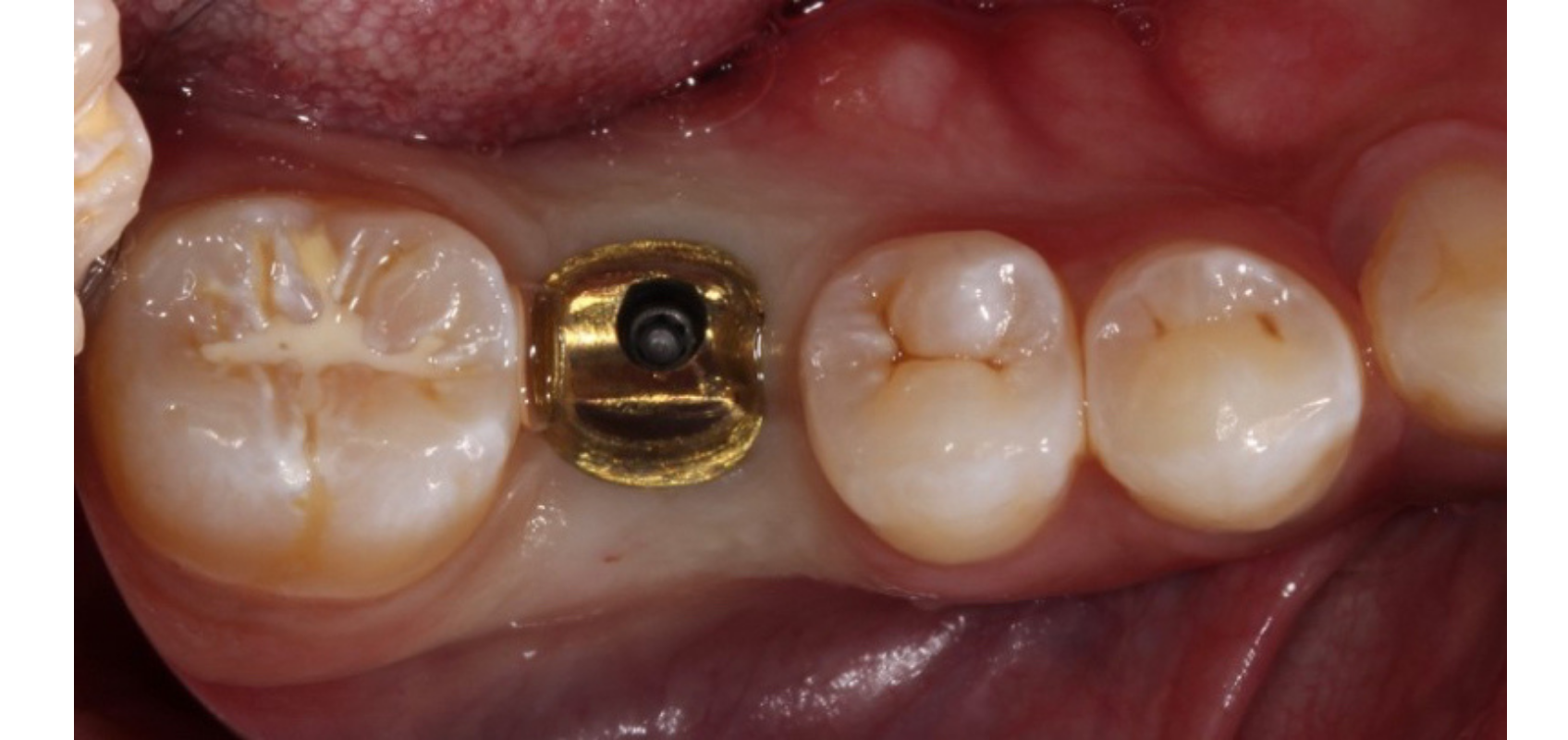
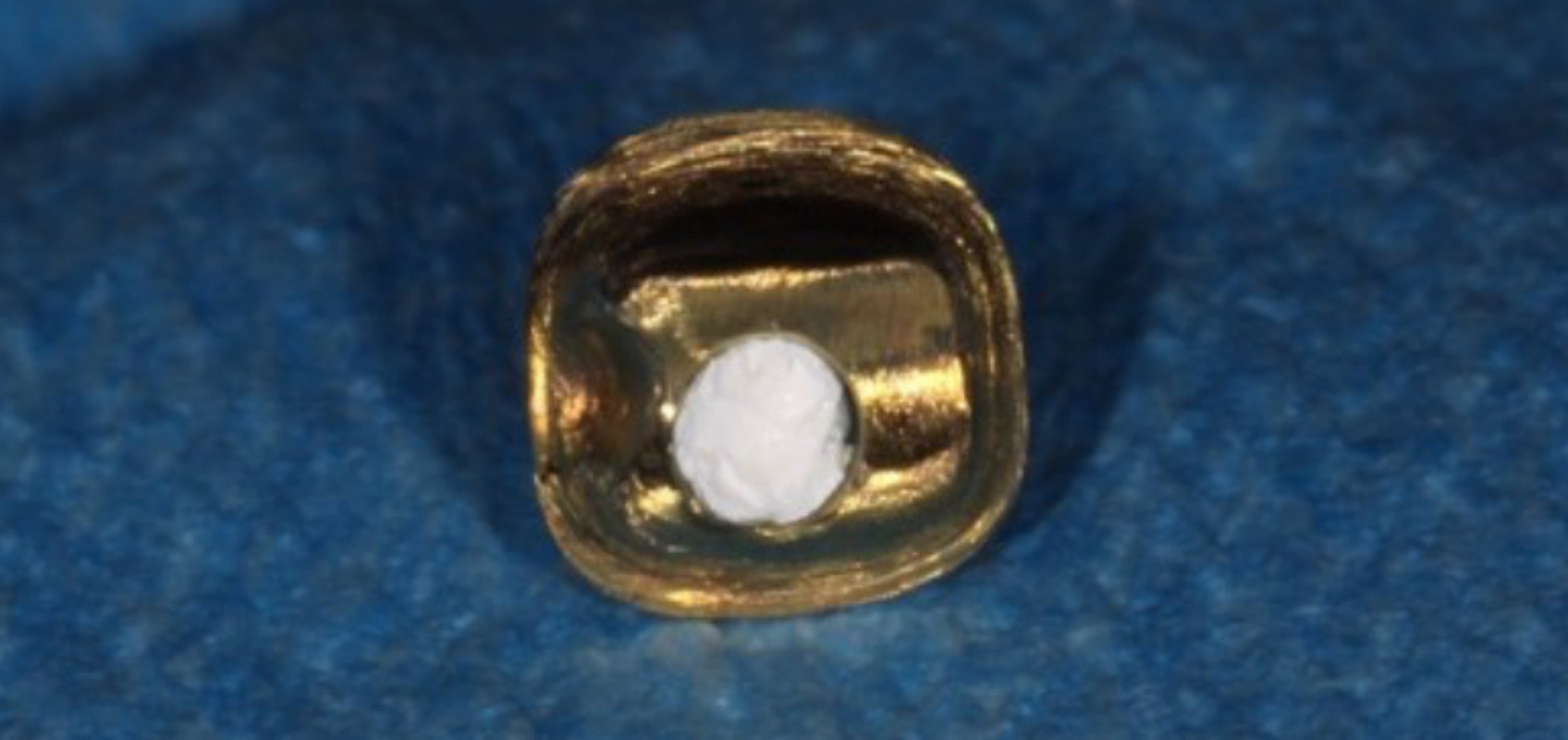
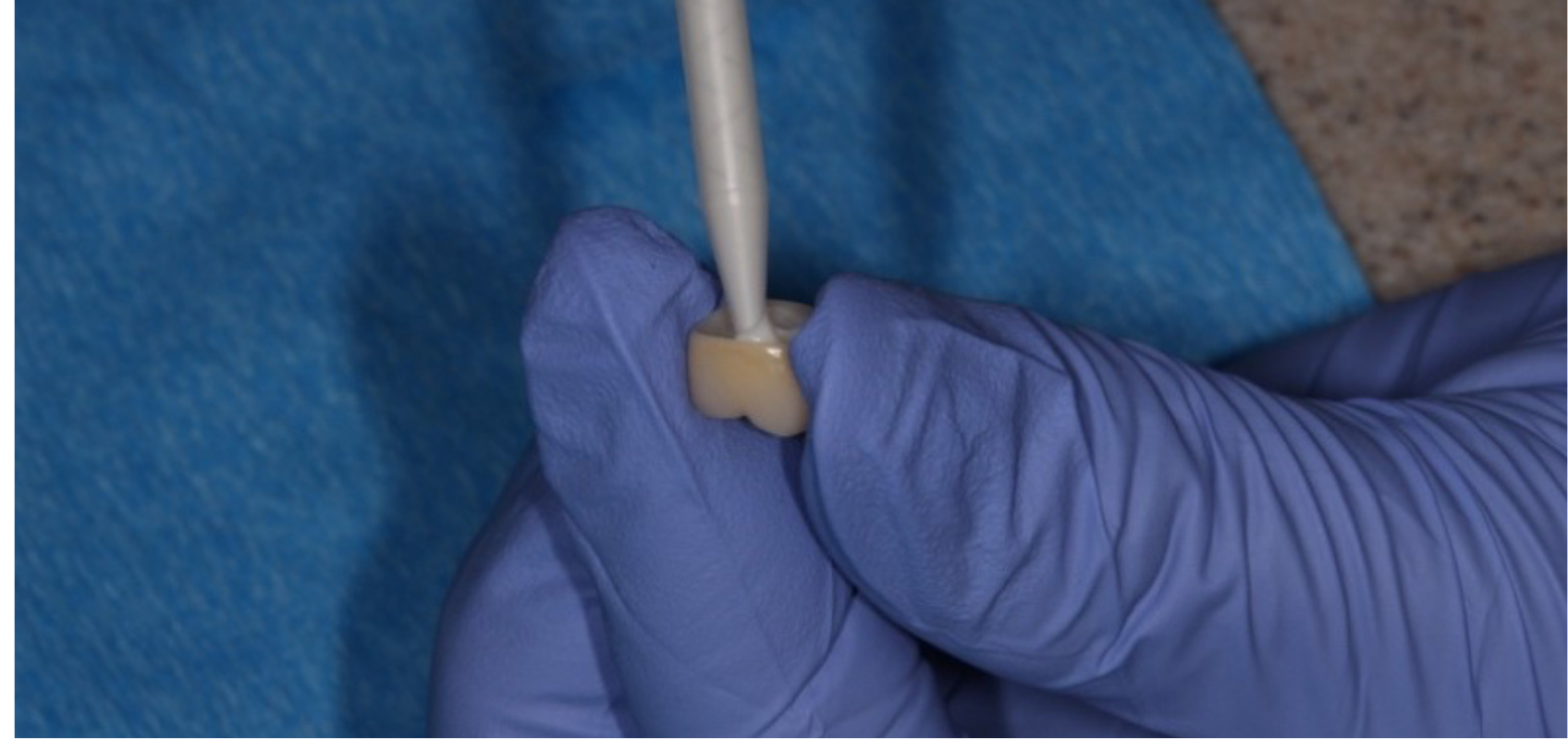
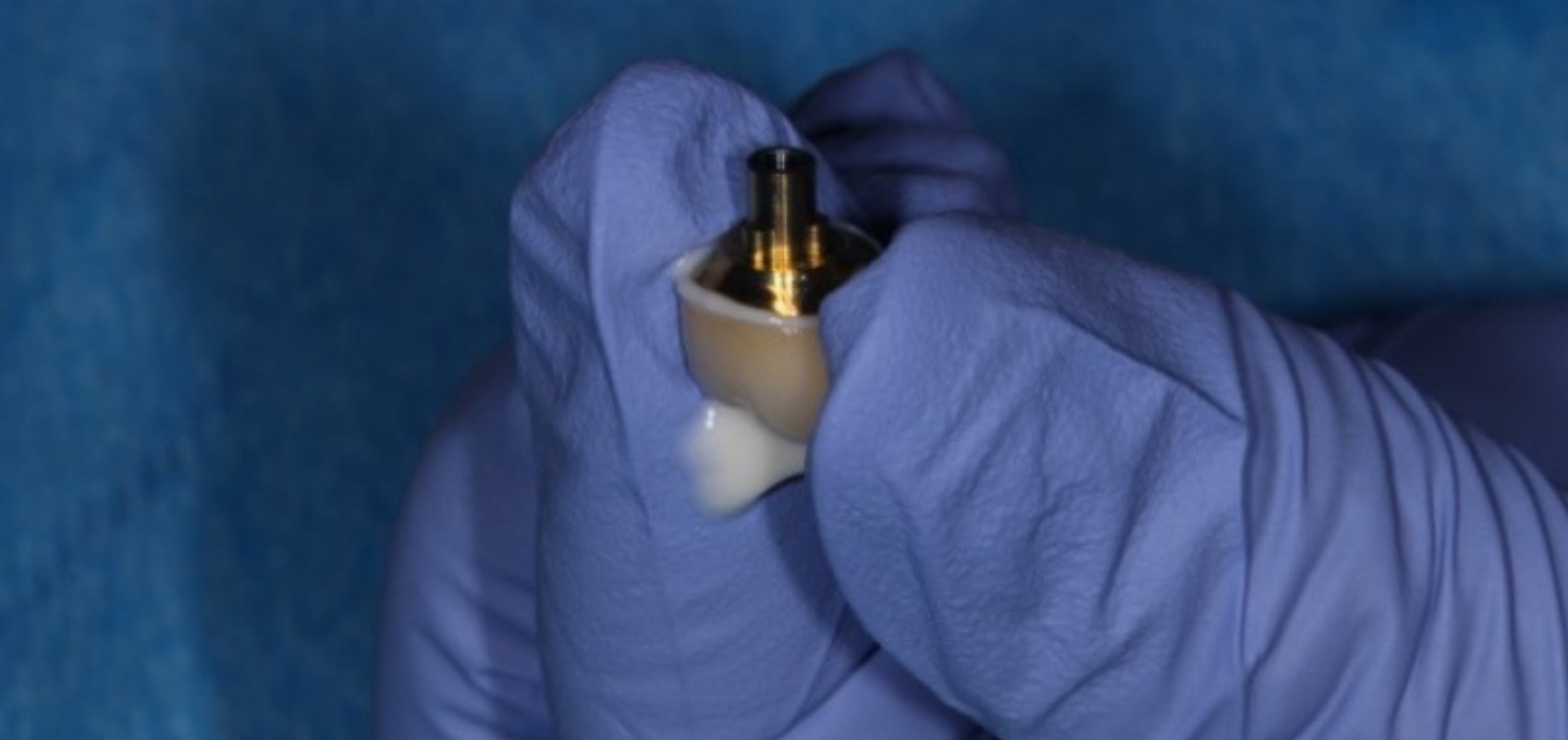
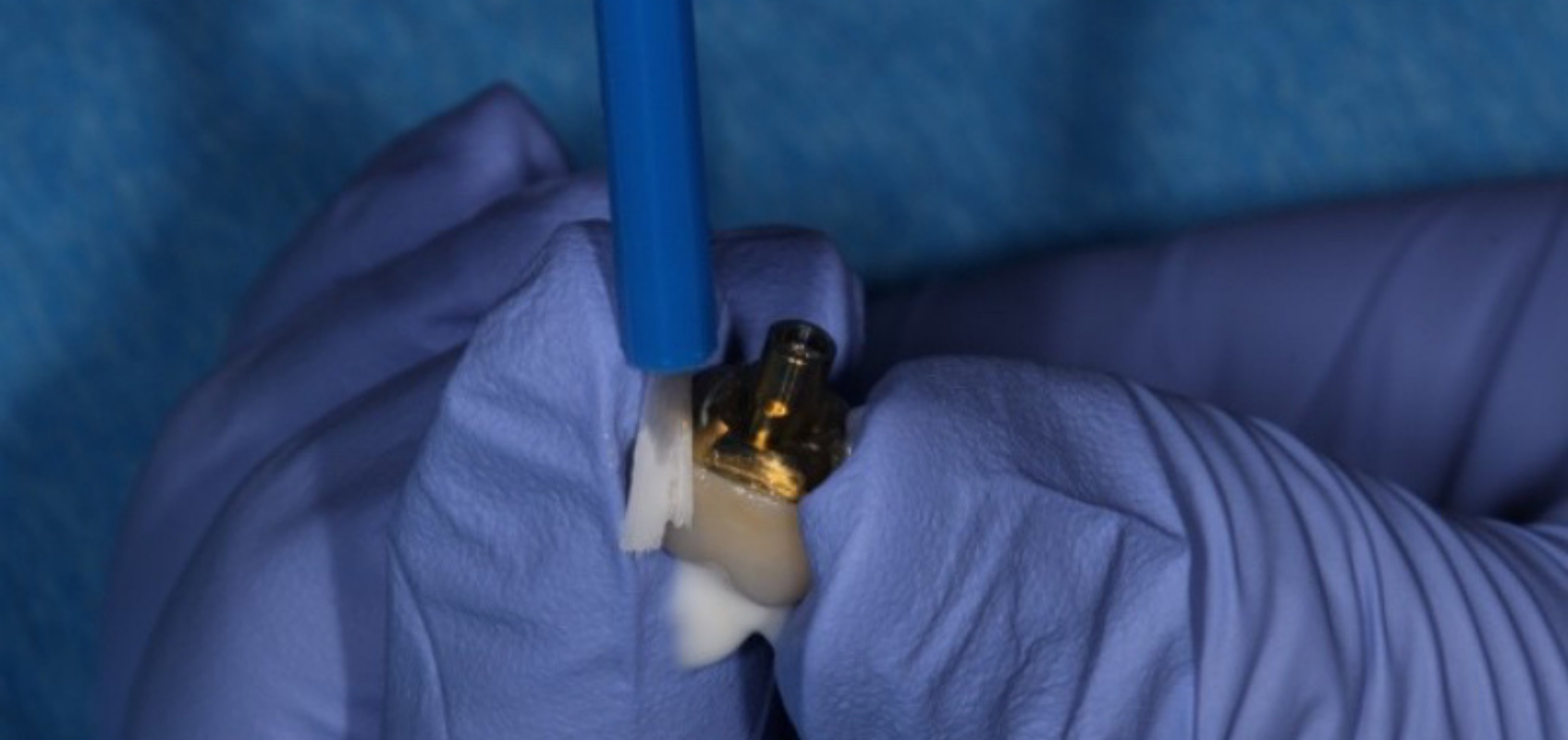
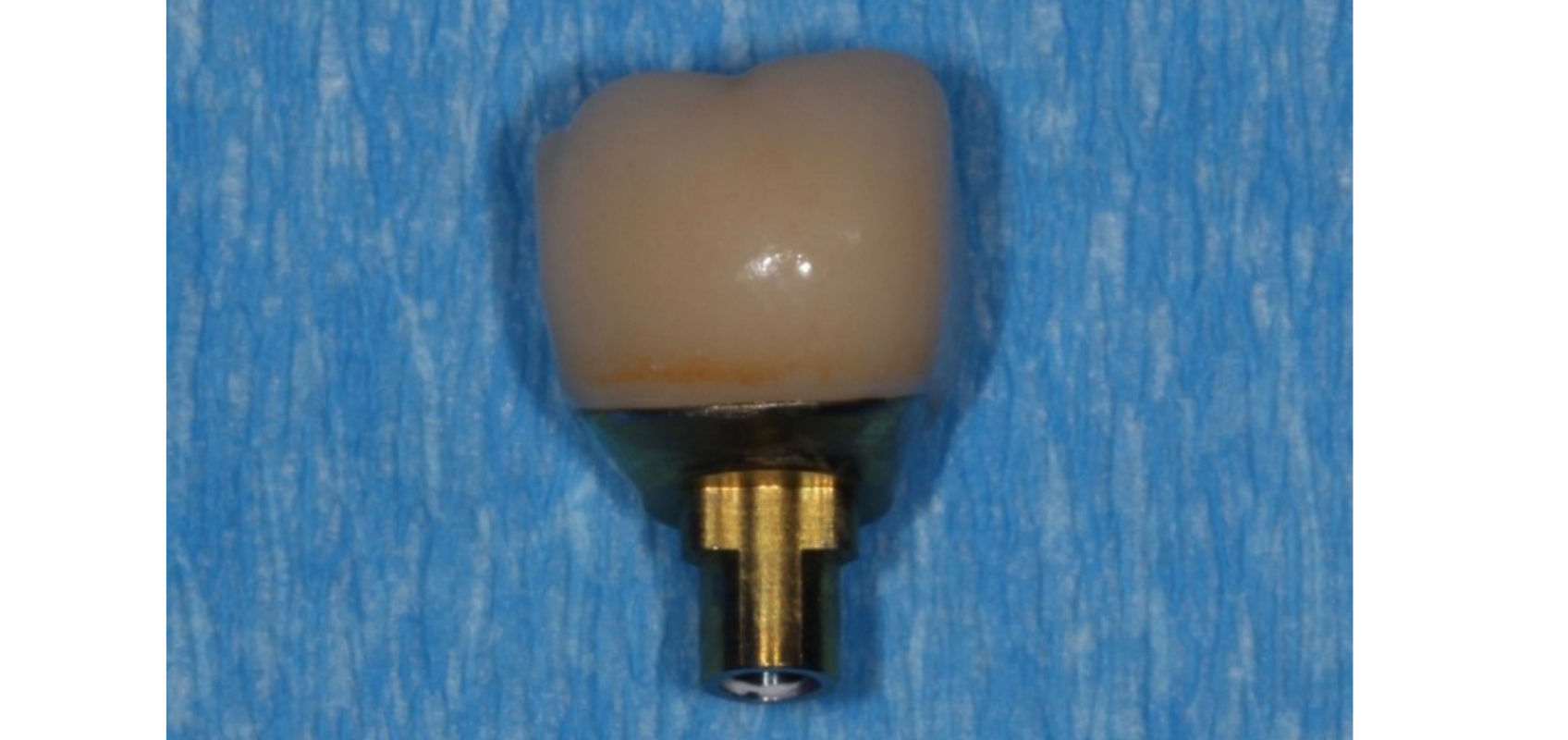
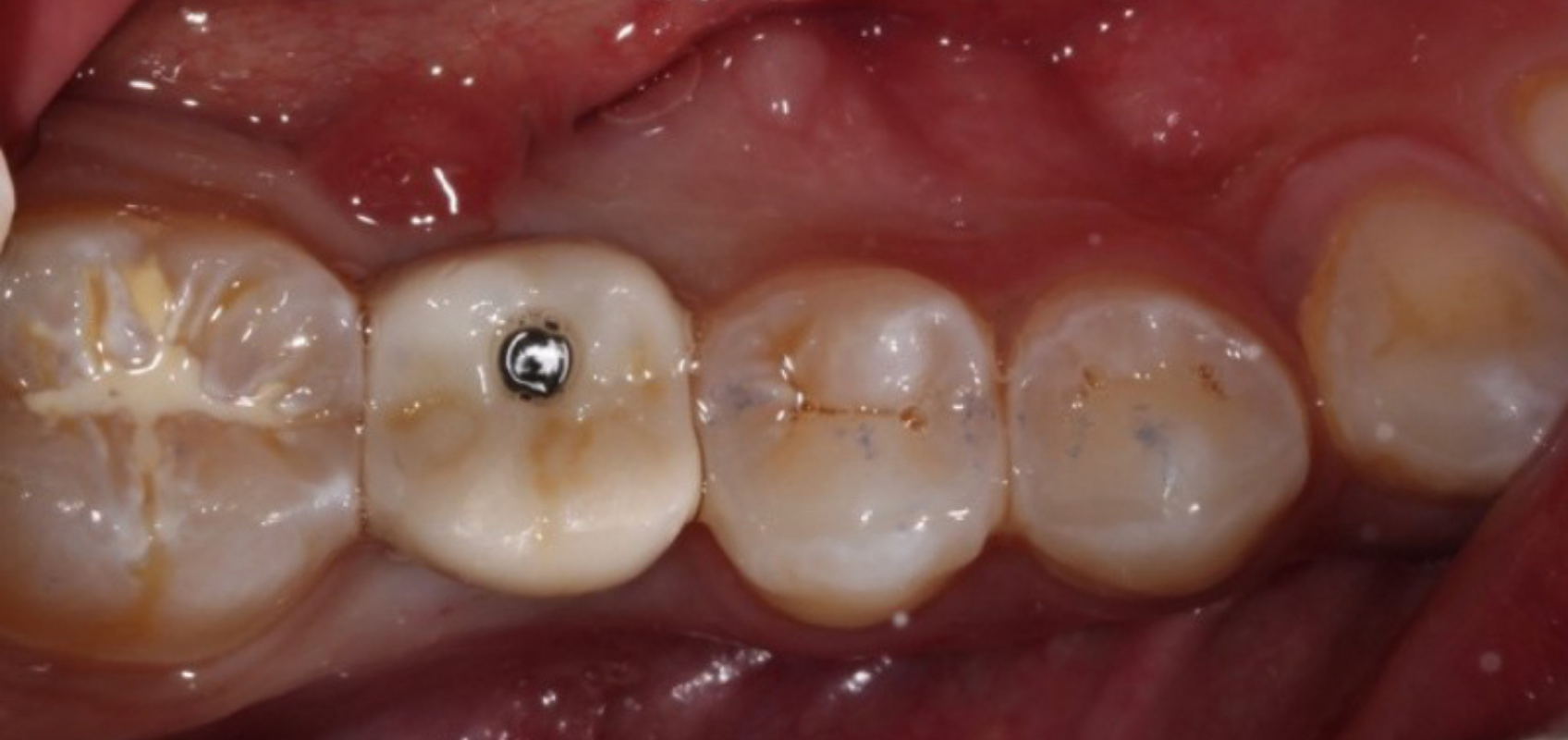
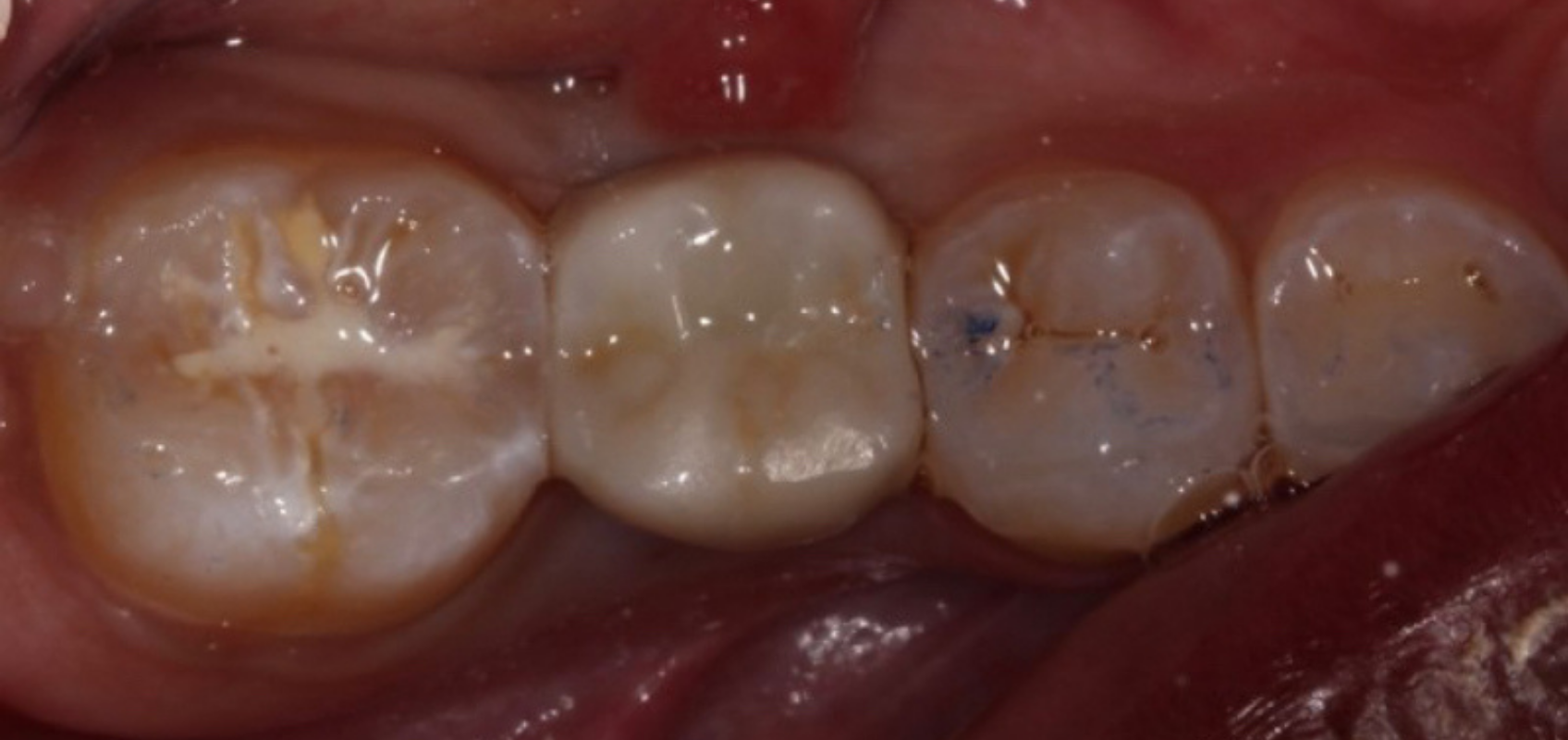
In this design, the crown is cemented onto the abutment outside the mouth. The completed abutment-crown assembly is then delivered to the implant as a single screw-retained restoration.
This approach provides many of the esthetic advantages of cement-retained restorations while minimizing the risk of excess cement because cement removal occurs extraorally.
For clinicians who want to deepen their understanding of implant restorative workflows, Spear’s Restoring the Edentulous Arch workshop provides hands-on instruction in treatment planning, restoration design, and techniques for achieving predictable long-term outcomes with implant-supported restorations.
Chairside, the clinician first places the abutment on the implant and adjusts contacts and occlusion. After these adjustments are complete, the abutment is removed, the crown is cemented to the abutment outside the mouth, excess cement is thoroughly removed, and the completed assembly is screwed into place.
When should you choose a screw retained implant crown?
No single restoration design is ideal for every implant case.
A screw retained implant crown is generally the preferred option when:
- Implant angulation produces an acceptable screw access location.
- Future retrieval is likely.
- Minimizing peri-implant disease risk is a priority.
- Long-term maintenance is anticipated.
A cement-retained restoration may be the better choice when:
- Implant angulation creates an unfavorable screw access position.
- An access hole would compromise esthetics.
- The required insertion path cannot be predictably achieved with a screw-retained restoration.
A screwmentable restoration may offer the best balance when clinicians want the retrievability of a screw-retained restoration while reducing cement-related complications.
Key takeaways
Every implant case presents unique restorative challenges. Dentists who want to build on these concepts can explore additional implant treatment planning, restorative, and occlusion courses through Spear Online, or gain hands-on experience restoring complex implant cases in Spear’s Treating the Terminal Dentition and the Fully Edentulous Patient seminar.
Choosing between a cement-retained restoration and a screw retained implant crown requires careful evaluation of implant position, insertion path, esthetics, retrievability, and long-term maintenance.
While many clinicians now prefer a screw retained implant crown because it eliminates cement-related complications and simplifies future repairs, cement-retained and screwmentable restorations remain valuable treatment options in the appropriate clinical situation.
Selecting the restoration that best fits the individual case leads to more predictable function, esthetics, and long-term implant success.
Contributing Author
Dr. Robert Winter
References
- Greenstein, G., Carpentieri, J., & Cavallaro, J. (2016). Open contacts adjacent to dental implant restorations: etiology, incidence, consequences, and correction. The Journal of the American Dental Association, 147(1), 28-34.
- Spear, F. (2009). Connecting teeth to implants: The truth about a debated technique. The Journal of the American Dental Association, 140(5), 587-593.
- Kotsakis, G. A., Zhang, L., Gaillard, P., Raedel, M., Walter, M. H., & Konstantinidis, I. K. (2016). Investigation of the association between cement retention and prevalent peri-implant diseases: a cross-sectional study. Journal of Periodontology, 87(3), 212-220.
- Wadhwani, C., Rapoport, D., La Rosa, S., Hess, T., & Kretschmar, S. (2012). Radiographic detection and characteristic patterns of residual excess cement associated with cement-retained implant restorations: a clinical report. The Journal of Prosthetic Dentistry, 107(3), 151-157.
- Wadhwani, C., & Piñeyro, A. (2009). Technique for controlling the cement for an implant crown. Journal of Prosthetic Dentistry, 102(1), 57-58.
Frequently Asked Questions
SPEAR campus Workshops
Learn Hands-on From Faculty Who Still Practice
A few days at Spear Campus can change how you diagnose, plan, and present cases, not through more lectures, but through hands-on training led by faculty who treat patients every week. Work through real cases in small groups and leave with techniques you can use on your next patient.
Featured Digest articles
Insights and advice from Spear Faculty and industry experts