
- Article
Silicone Jig Technique for Cement-Retained Implant Supported Restoration
One of the most common complications with cement-retained implant restorations is inflammation around the crown. Excess cement can lead to peri-implant diseases such as peri-implant mucositis and even bone loss. A key factor to understand is the biological difference between teeth and implants — particularly the structure of the junctional epithelium and connective tissue — which makes removing residual cement around the restoration more difficult.
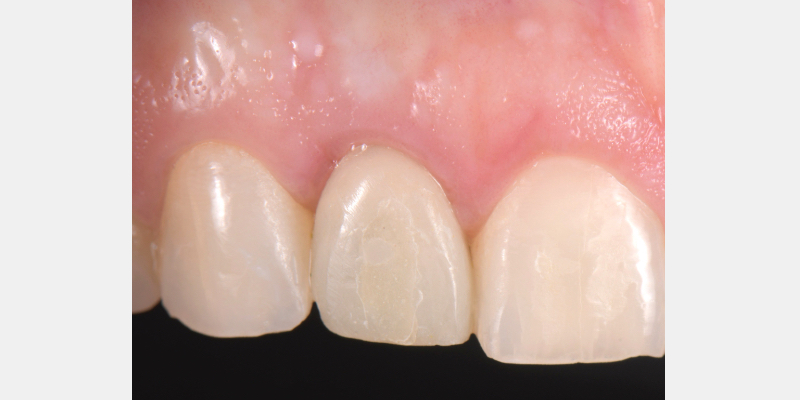
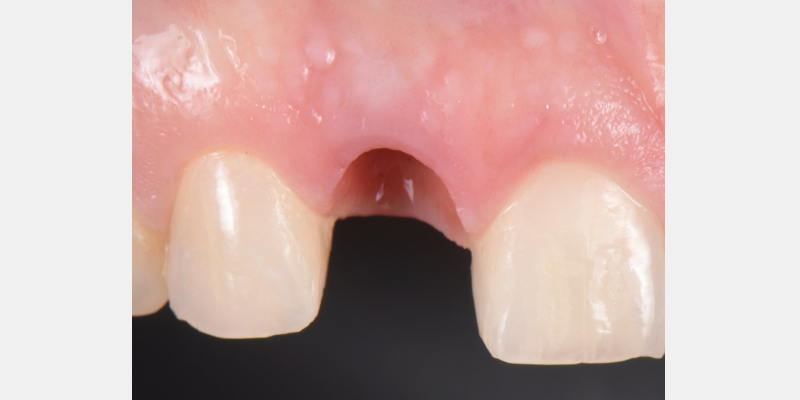
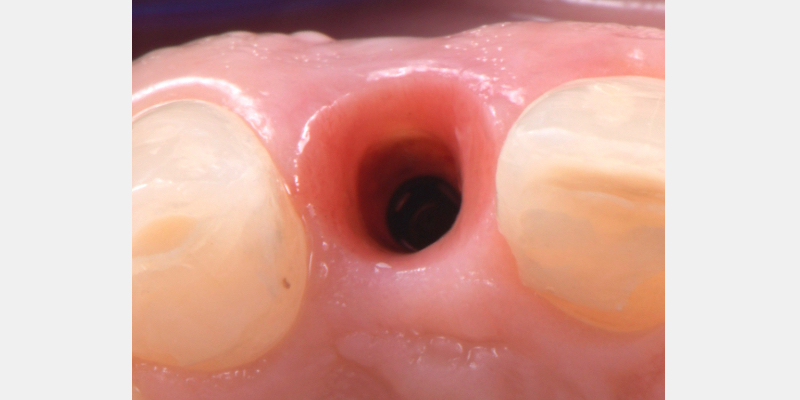
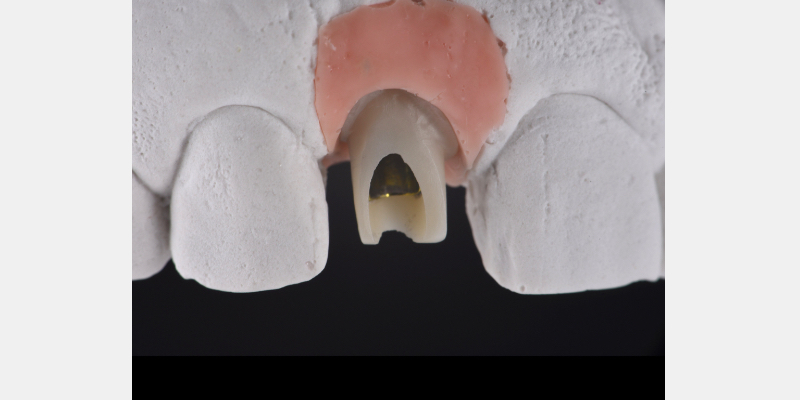
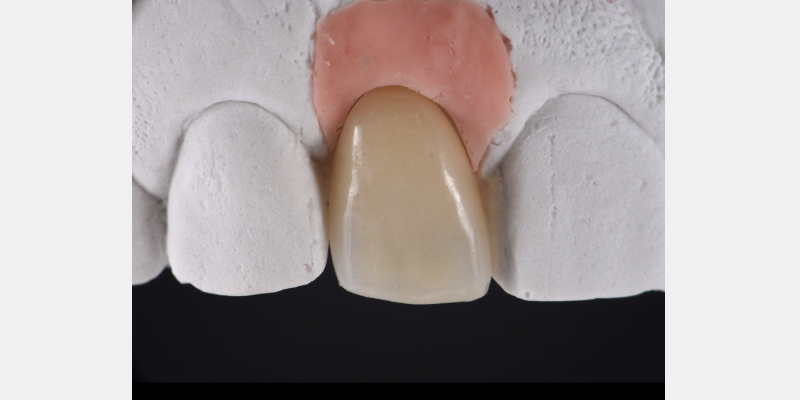
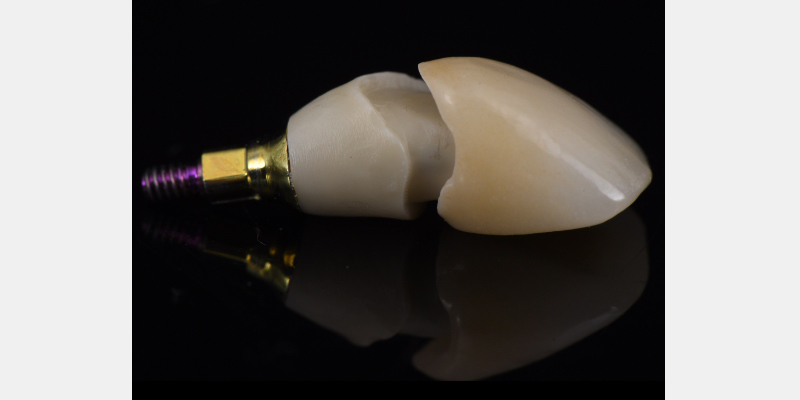
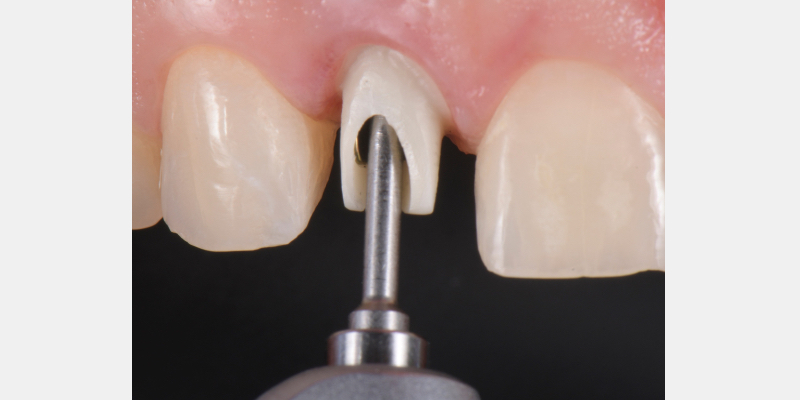
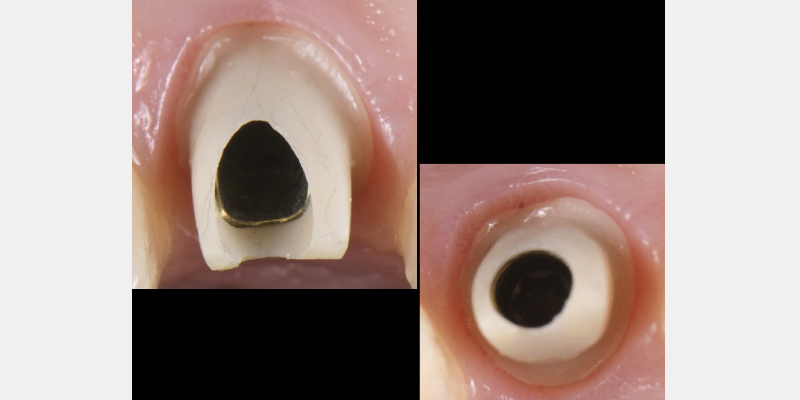
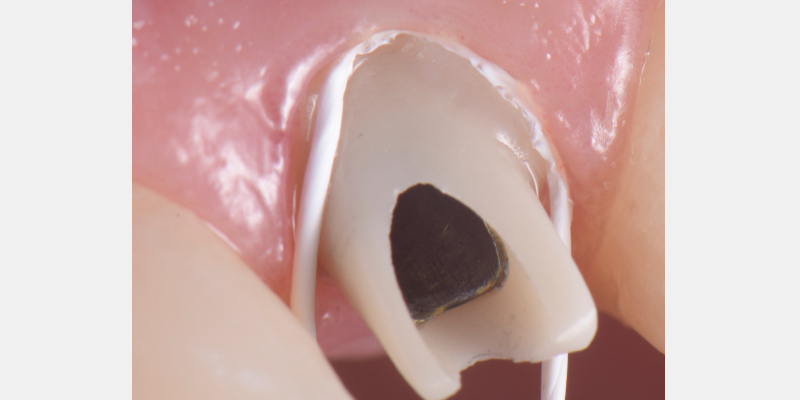
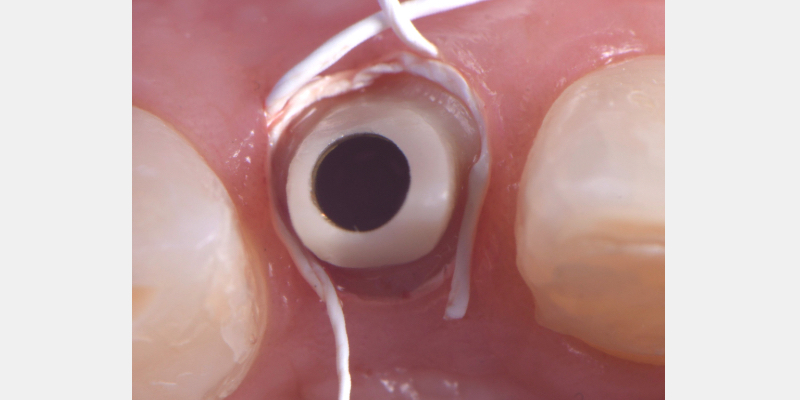
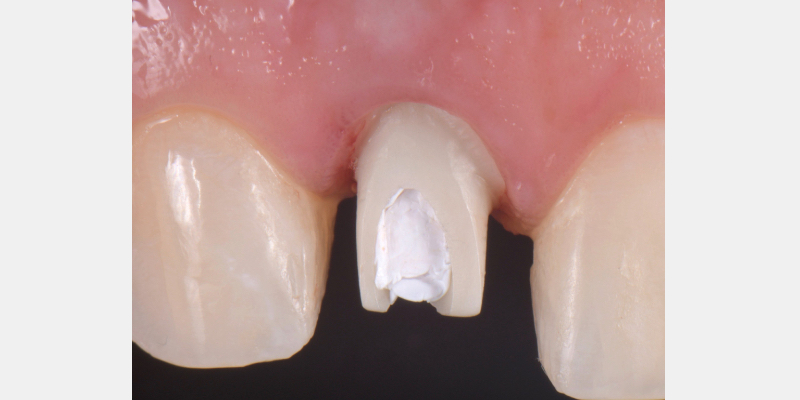
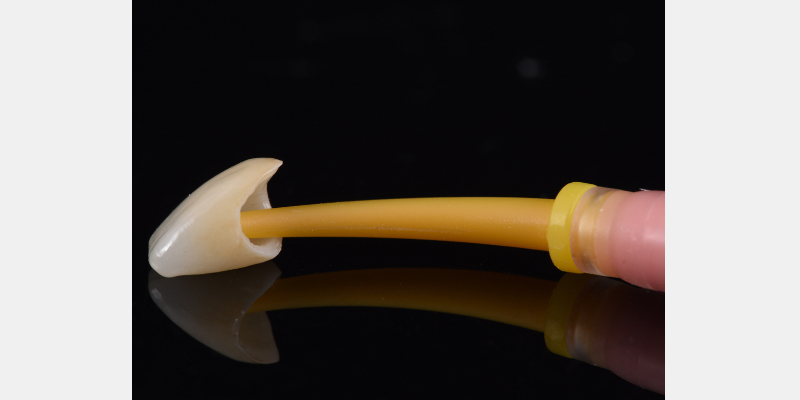
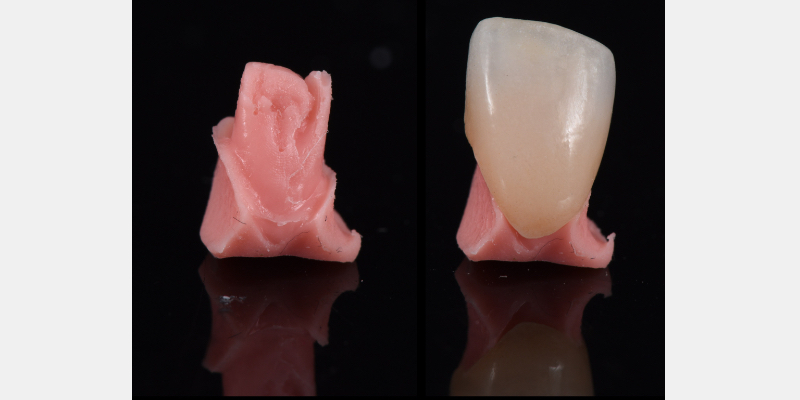
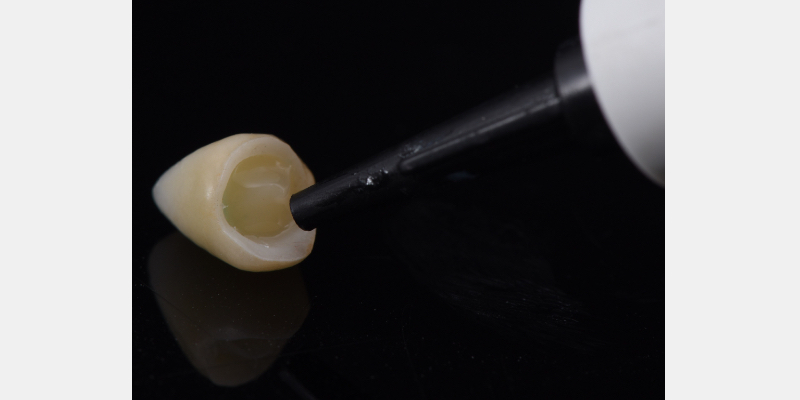
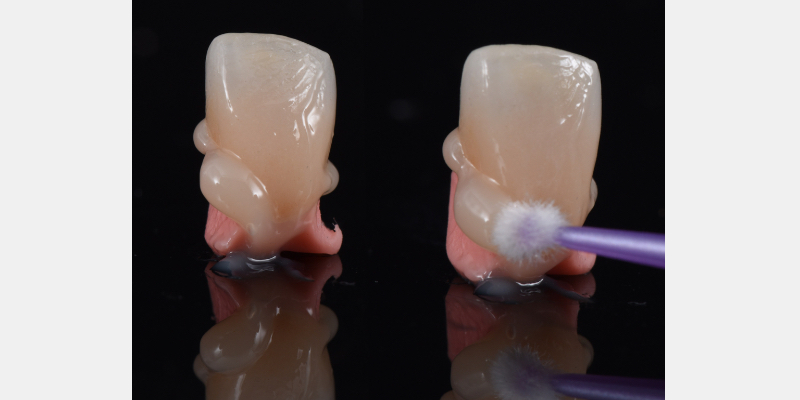
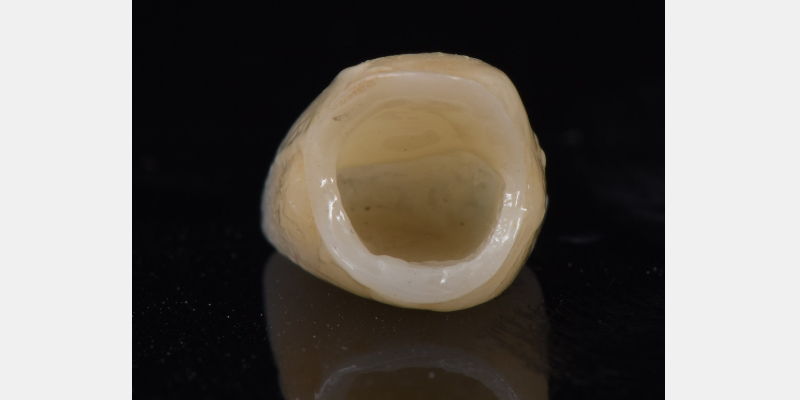
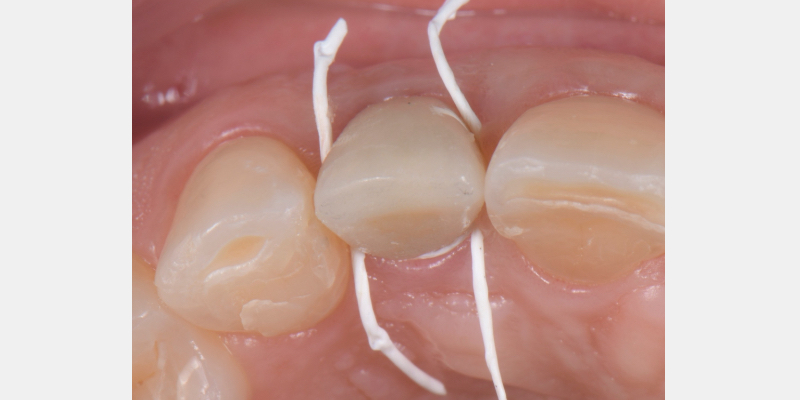
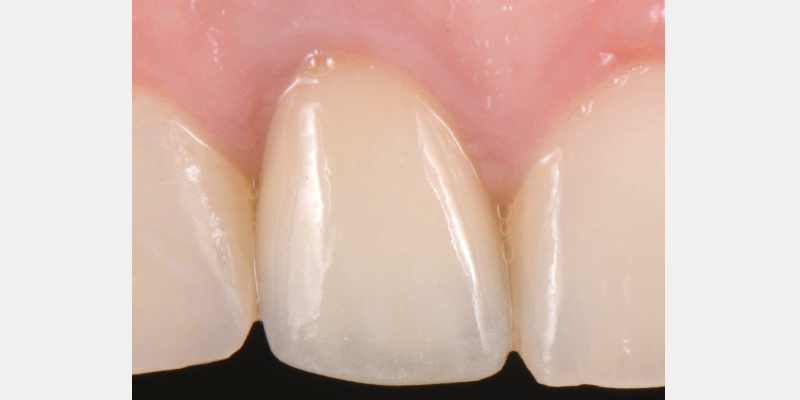
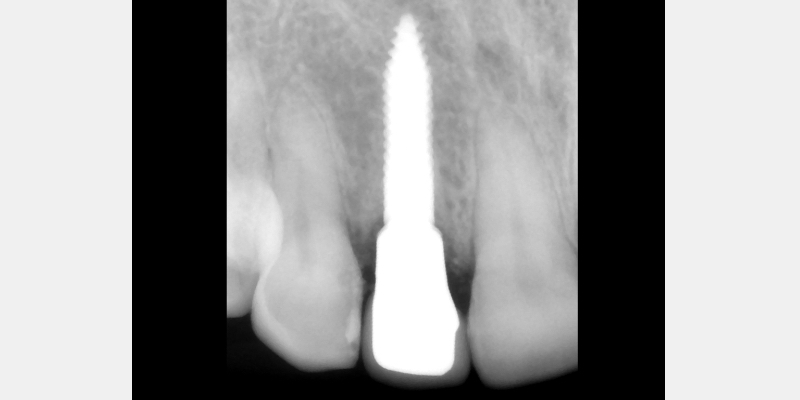
Here is a simple, step-by-step technique for fabricating a silicone jig to avoid excess cement in a cement-retained implant-supported restoration. It can be applied to a single crown or to an implant-supported cement-retained bridge.
References
- Wadhwani, C., & Piñeyro, A. (2009). Technique for controlling the cement for an implant crown. Journal of Prosthetic Dentistry, 102(1), 57-58.
- Present, S., & Levine, R. A. (2013). Techniques to control or avoid cement around implant-retained restorations. Compendium of Continuing Education in Dentistry, 34(6), 432-437.
SPEAR Membership
Learn Faster. Treat Better.
Whether you have 10 minutes or time to dive deeper, Spear Membership gives you the learning, tools, and support to keep improving.
Choose the level of support and structure that fits your goals.

By: Ricardo Mitrani
Date: January 11, 2021
Featured Digest articles
Insights and advice from Spear Faculty and industry experts