- Article
- Techniques / Materials
Inferior Alveolar Nerve Block Failure: What to Do
Vivek Mehta
•
December 7, 2015
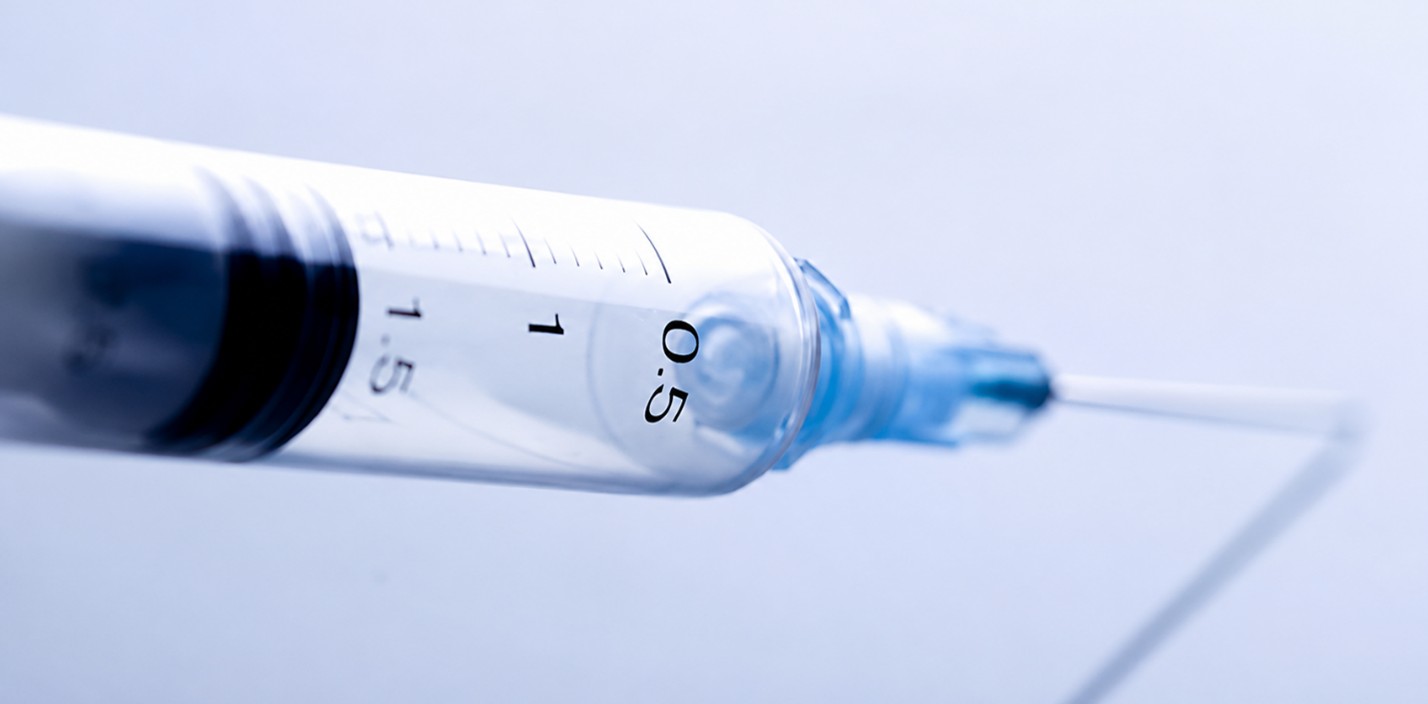
Suppose you are preparing to restore tooth #19 with an MO composite restoration.
You’ve administered a 2% lidocaine 1:100,000 epinephrine inferior alveolar nerve block (IANB). When an inferior alveolar nerve block does not provide profound anesthesia, a systematic troubleshooting process can help identify the cause and restore patient comfort.
What is the best approach to achieve profound anesthesia when an inferior alveolar nerve block fails?
The most effective approach is to first confirm lip numbness, reassess injection placement, and then progress through supplemental anesthesia techniques in a structured sequence.
The inferior alveolar nerve block is the standard technique for anesthetizing mandibular teeth, yet it does not always succeed.
Depending on the study design, the reported failure rate ranges from 5% to 30%. If you deliver three to five inferior alveolar nerve blocks on any given day, the statistical probability of encountering a failure is nearly every other day. Failure is particularly common in teeth with symptomatic irreversible pulpitis, where the inflammatory response lowers local tissue pH and reduces anesthetic efficacy.
Understanding a systematic approach to managing inferior alveolar nerve block failures is essential for every clinician who treats mandibular teeth.
What should you do when an inferior alveolar nerve block fails?
Before escalating to supplementary techniques, work through the following checklist:
Anesthetic choice. Although articaine is commonly believed to be more effective than lidocaine for the IANB, research has not demonstrated a statistically significant advantage.1
Elapsed time. Lip numbness typically begins within four to six minutes; pulpal anesthesia onset requires 10 to 15 minutes. Waiting an additional period is often all that is needed before concluding that the inferior alveolar nerve block has failed. Use a timer (see below).
Missed injection. If there is no lip numbness after 10 minutes, the injection was likely misplaced. Attempt the injection again before considering supplementary techniques.
Supplementary buccal infiltration. If lip numbness is present but pulpal anesthesia is incomplete, administer buccal infiltration at teeth #19 and #20 with 4% articaine.2
Buffered anesthetic. A recently introduced product category (e.g., Onset by OnPharma) alkalinizes lidocaine immediately before injection, hastening onset and reducing injection discomfort.3,4 Buffered solutions are especially valuable in symptomatic teeth: studies show they can be up to twice as effective as non-buffered anesthetics in achieving adequate anesthesia when local tissue pH is acidic.10
Use a timer. As soon as the needle is picked up, have your assistant start a timer. This provides an objective, consistent measurement of injection speed and wait time.
The timer serves three purposes:
- It encourages a slow, steady injection rate. Delivering 2 mL of solution over one minute is the recommended rate to maximize patient comfort and anesthetic success.5
- It provides an objective measure of the wait time after injection.
- It removes guesswork when deciding whether to wait longer or proceed to a supplementary technique.
How do you correct a missed inferior alveolar nerve block?
Two anatomical errors account for the majority of missed IANB injections:6
- Positioning the needle tip too far medially results in inadequate anesthesia of the inferior alveolar nerve.
- Positioning the needle tip too far inferiorly results in anesthesia of only the lingual nerve.
In both error types, bone contact at the expected depth of 20 to 25 mm typically will not occur.
During the repeat injection, prioritize tactile feedback from bone. Choosing an insertion point that is slightly more lateral and higher than the first attempt helps ensure proper positioning.
Successful repositioning can often convert a failed inferior alveolar nerve block into profound mandibular anesthesia without the need for additional techniques.
If bone contact occurs too soon, withdraw slightly and redirect the needle medially. Gradually advancing the needle while maintaining light contact with the medial surface of the ramus helps prevent it from advancing too far medially and confirms the correct depth.
What supplemental techniques work after an inferior alveolar nerve block fails?
When an inferior alveolar nerve block produces soft-tissue anesthesia but pulpal sensitivity remains, the following supplementary techniques can help achieve profound mandibular anesthesia.
Mandibular Infiltration: A mandibular infiltration delivers an additional volume of anesthetic adjacent to the symptomatic tooth. For mandibular anterior teeth, infiltrating both the buccal and lingual cortical bone is more effective than infiltrating the buccal aspect alone.
For mandibular posterior teeth, buccal-only infiltration is as effective as buccal-plus-lingual infiltration. Across all mandibular infiltrations, a 4% articaine solution has been shown to achieve pulpal anesthesia more reliably than a 2% lidocaine solution.7
Intraligamentary (PDL) Injection: The periodontal ligament (PDL) injection, also called the intraligamentary injection, delivers anesthetic solution into the PDL, where it diffuses into the surrounding cancellous bone. A traditional aspirating syringe or a specialized PDL delivery system (such as a Ligmaject) may be used.
Technique tips:
Orient the bevel facing the tooth, not the gingiva.
Firm back pressure during delivery confirms correct positioning.
Deliver approximately 0.2 mL (roughly the diameter of the carpule plunger) per root being anesthetized.8
Intraosseous Injection: The intraosseous injection delivers an anesthetic directly into the cancellous bone adjacent to the tooth by perforating the buccal cortical plate. Some studies suggest that the PDL injection can achieve similar outcomes, but intraosseous injection tends to be more consistently effective.8
Important precautions:
Avoid contacting the tooth roots during perforation of the buccal cortical bone.
This technique is contraindicated in patients in their primary or mixed dentition; the risk of perforating and damaging unerupted teeth is significant.
Specialized delivery systems such as the X-Tip or Stabident are required for predictable results.8
Alternative Mandibular Block Techniques: While the IANB is the standard approach, two alternative techniques can reliably achieve mandibular nerve blocks when the traditional injection is not feasible or has failed repeatedly.
Gow-Gates Technique: The Gow-Gates technique anesthetizes the mandibular nerve by depositing solution adjacent to the condyle, providing broad coverage that can be more consistent than that of the traditional IANB. Many clinicians consider the Gow-Gates approach a reliable alternative when a traditional inferior alveolar nerve block repeatedly fails.
Spear Online’s Mandibular Nerve Blocks coursework, taught by Dr. Stanley Malamed, reviews these supplementary and alternate techniques for achieving mandibular anesthesia.
Step-by-step overview:
Position the barrel of the syringe adjacent to the contralateral canine, with the needle directed toward the mesiopalatal cusp of the second molar.
Identify three landmarks: the intertragic notch (just below the tragus of the ear), the coronoid process, and the corner of the mouth.
Ask the patient to open as wide as possible during the injection and to remain open for approximately 20 seconds after the solution is delivered.
Keeping the mouth open helps maintain the nerve near the deposited anesthetic, maximizing success.9
Akinosi-Vazirani Technique: The Akinosi-Vazirani technique is performed with the patient’s mouth closed. The needle is inserted between the coronoid process and the maxillary tuberosity at the mucogingival junction. Because the patient closes the mouth to facilitate access, this technique is especially useful when trismus or an overactive tongue prevents the successful placement of a traditional IANB.9
What is the best clinical decision pathway after an inferior alveolar nerve block failure?
The following sequence can guide clinical decision-making when an inferior alveolar nerve block does not achieve adequate anesthesia:
- Assess for lip numbness within 10 minutes.
- If no lip numbness occurs: reposition and repeat the IANB using correct anatomical landmarks.
- If lip numbness is present but pulpal anesthesia is incomplete, add buccal infiltration with 4% articaine.
- If infiltration is insufficient: proceed to intraligamentary (PDL) injection.
- If PDL injection is insufficient, use intraosseous injection (in appropriate patients).
- For patients with trismus or recurrent IANB failure: consider the Akinosi-Vazirani or Gow-Gates technique.
- For symptomatic irreversible pulpitis: consider using a buffered anesthetic at any stage to counteract the acidic local environment.
While no anesthetic technique is 100% successful, understanding how to troubleshoot an inferior alveolar nerve block can significantly improve clinical efficiency, patient comfort, and treatment outcomes. Following a structured decision pathway helps clinicians respond confidently when mandibular anesthesia is incomplete.
References
- Mikesell, P., Nusstein, J., Reader, A., Beck, M., & Weaver, J. (2005). A comparison of articaine and lidocaine for inferior alveolar nerve blocks. Journal of Endodontics, 31(4), 265-270.
- Haase, A., Reader, A. L., Nusstein, J., Beck, M., & Drum, M. (2008). Comparing anesthetic efficacy of articaine versus lidocaine as a supplemental buccal infiltration of the mandibular first molar after an inferior alveolar nerve block. The Journal of the American Dental Association, 139(9), 1228-1235.
- Onset by OnPharma. www.onpharma.com/ScienceON.html
- Kashyap, V. M., Desai, R., Reddy, P. B., & Menon, S. (2011). Effect of alkalinisation of lignocaine for intraoral nerve block on pain during injection, and speed of onset of anaesthesia. British Journal of Oral and Maxillofacial Surgery, 49(8), e72-e75.
- Kanaa, M. D., Meechan, J. G., Corbett, I. P., & Whitworth, J. M. (2006). Speed of injection influences efficacy of inferior alveolar nerve blocks: a double-blind randomized controlled trial in volunteers. Journal of Endodontics, 32(10), 919-923.
- Milles, M. (1984). The missed inferior alveolar block: a new look at an old problem. Anesthesia Progress, 31(2), 87.
- Meechan, J. G. (2011). The use of the mandibular infiltration anesthetic technique in adults. The Journal of the American Dental Association, 142, 19S-24S.
- Moore, P. A., Cuddy, M. A., Cooke, M. R., & Sokolowski, C. J. (2011). Periodontal ligament and intraosseous anesthetic injection techniques: alternatives to mandibular nerve blocks. The Journal of the American Dental Association, 142, 13S-18S.
- Haas, D. A. (2011). Alternative mandibular nerve block techniques: a review of the Gow-Gates and Akinosi-Vazirani closed-mouth mandibular nerve block techniques. The Journal of the American Dental Association, 142, 8S-12S.
- Kattan, S., Lee, S. M., Hersh, E. V., & Karabucak, B. (2019). Do buffered local anesthetics provide more successful anesthesia than nonbuffered solutions in patients with pulpally involved teeth requiring dental therapy?: A systematic review. The Journal of the American Dental Association, 150(3), 165-177.
Frequently Asked Questions
Spear Team Training
Train Your Entire Team, Not Just Yourself
Clinical confidence doesn’t stop with the doctor. Spear gives every role in your practice, hygiene, assistants, and front office, structured training built for their part of patient care, including the Hygiene Excellence Program. When the whole team learns from the same curriculum, your practice runs with more consistency, not just your chair.
Featured Digest articles
Insights and advice from Spear Faculty and industry experts