Dogs Take a Bite Out of Dental Office Anxiety
With recent headlines alluding to dental phobias being passed on to children by their parents, a new concept known as dog therapy aims to ease the nerves of anxious and fearful patients.
Dentophobia, otherwise known as the fear of dentists, isn’t a new concept at all — in fact, it’s one of the most common phobias and affects people of all ages. Children can develop dentophobia by hearing stories from friends and family or watching programs that sensationalize the extent of dental procedures.
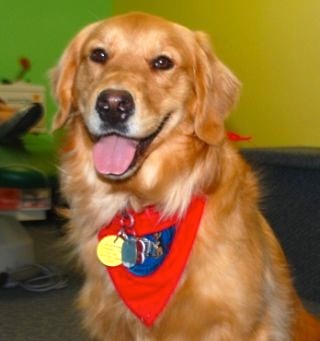
Luckily, more dentists are incorporating dog therapy into their practice to help ease the anxiety younger patients may have. Dr. Paul A. Weiss, a pediatric dentist in Williamsville, New York, has seen a positive impact on his practice since the addition of his therapy dog, Brooke. “Brooke definitely changes the energy in the office with her personality,” Weiss says. “She elicits a playful, fun, accepting and happy energy that permeates the staff and the patients.”
Dr. Weiss brings Brooke into the office every Wednesday and Thursday; she hangs out with the staff and plays with young patients to take their mind off the dental visit. When it’s time for a procedure, Brooke joins Dr. Weiss and the patient by either sitting chairside, enabling the patient to pet her throughout the procedure, or just curling up on their lap until the procedure is over. Dr. Weiss explains, “The kids relax playing fetch with her in the reception area and petting her when they’re in the chair. It gives them another reason to look forward to a return visit.”
For dentists interested in adding a therapy dog to their staff, Dr. Weiss has a few pointers: “The temperament of the dog is very important. The dog must not be startled by loud noises or annoyed by rough handling.” Dentists can visit the Therapy Dogs International website and take a test to see how well their dog will perform during a dental visit.
Regarding health risks, Dr. Weiss performs only clean procedures in his office and advises other dentists to not bring a dental dog into a sterile environment where open-wound surgical procedures are done. According to Weiss, simple restorations and prophies on kids are considered clean procedures and there should be no issues with a therapy dog.
A therapy dog could be a great addition to any dentist’s practice, especially if patients are aware of days the dog will be there. Appointments will be made and rarely rescheduled because patients don’t wouldn’t want to lose their spot to see a dog like Brooke on their visit.
VIRTUAL SEMINARS
Stay Sharp. Stay Current. Stay Ahead.
Join live, focused training designed to help you implement immediately and strengthen your expertise.

By: Denise Prichard
Date: December 20, 2012
Featured Digest articles
Insights and advice from Spear Faculty and industry experts