
Comprehensive Dental Treatment Planning Starts With the Patient
How meaningful conversations — not technology — lay the foundation for comprehensive, predictable patient care
Dentistry continues to evolve at a remarkable pace. We diagnose with the accuracy we once only dreamed of. We plan digitally with impressive precision. We communicate visually with amazing patient educational videos from Spear Education, helping patients understand their conditions much better. Yet with all these advances, one fundamental truth remains untouched: technology can enhance our vision, but it cannot replace a meaningful question. At the heart of comprehensive dental treatment planning is the ability to understand the person before the data.
If we want comprehensive care to become the norm rather than the exception, we must begin where great relationships begin — with genuine curiosity.

Comprehensive dental treatment planning starts with the whole person
For decades, most of us were taught to begin with a single, straightforward inquiry. Ask the patient for their chief complaint. “Why are you here today?” There is nothing wrong with that question. It has value. But it’s rarely enough.
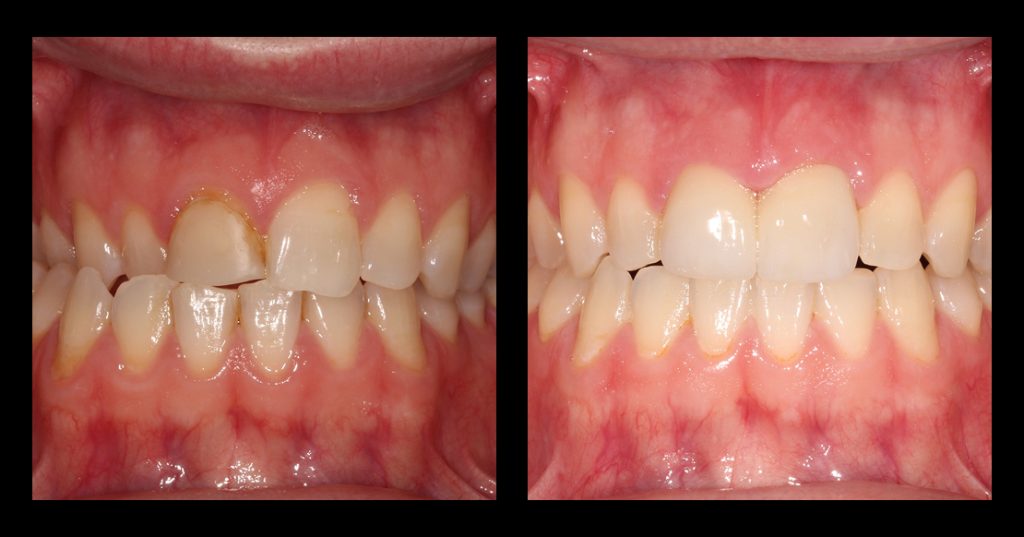
What patients mention first is often what sits at the surface. It’s the symptom they can easily name. “My tooth chipped.” “My gums bleed when I brush them.” “I want whiter teeth.”
But underneath that first phrase, there is usually a deeper story. A chipped tooth might represent embarrassment. Gum discomfort might be masking fear of being judged. A request for “better function” may be rooted in years of quiet frustration and self-consciousness.
If we only address the surface narrative, our plan may be technically excellent, but emotionally incomplete. And when those two are not aligned, case acceptance becomes a struggle.
This is where the real work of comprehensive dental treatment planning begins. Not with a scan. But with the person sitting in front of us.
Why comprehensive dental treatment planning goes beyond the chief complaint
Instead of assuming the first answer is the entire answer, we can invite patients into a richer dialogue.
- What brought you in today?
- What would you most like to improve?
- When was the last time you smiled without hesitation?
- What worries you the most about starting treatment?
- If we could begin with one thing, what should it be and why?
These questions aren’t small talk — they’re explorations. They reveal what truly motivates a patient to seek change. They uncover urgency. They shine light on hesitation. They invite trust.
A scan can reveal deterioration, but a conversation can show whether the patient is ready to face it.
Scan the patient before scanning their mouth
Before we take a single photograph or CBCT, we need a different type of scan — a scan of the person.
- Cognitive. What does your patient understand about their current condition and the possible solutions ahead?
- Behavioral. What habits, routines, or limitations will influence treatment or long-term success?
- Emotional. How does your patient feel about dentistry, about themselves, about the idea of change?
These three dimensions shape every outcome we deliver. What the patient knows influences decision-making. What the patient does affects longevity and stability. What the patient feels determines whether they engage or withdraw.
If any one of these three is misaligned with the plan, the most elegant dentistry becomes vulnerable. When all three align, the plan becomes resilient and predictable.

Technology as a tool, not the starting point
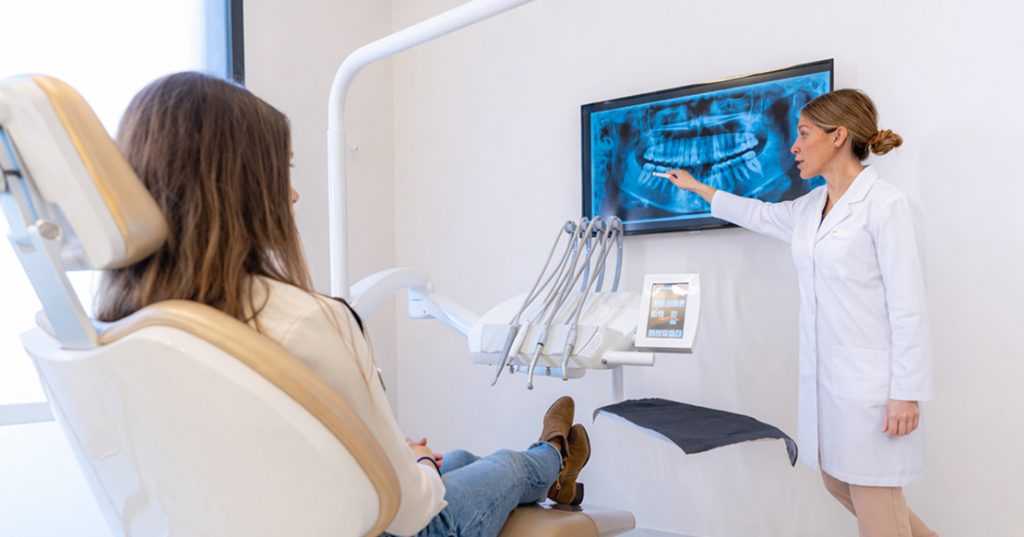
Digital scans, mounted models, photography, CBCT imaging. These are essential tools. They help us diagnose comprehensively and communicate visually. But they are not how a comprehensive dental treatment plan begins.
- Technology can show anatomy. It cannot show the patient´s priorities.
- Technology can display pathology. It cannot reveal the patient´s fear.
- Technology can visualize disharmony. It cannot uncover the patient´s hope.
Once the patient has been heard, imaging becomes entirely different. A shared reference. A visual explanation of the conversation they just had with us. A way to help them see what matters most to them, through our eyes.
Today’s self‑informed, still‑uncertain patient
We are seeing a new kind of patient today. Informed. Anxious. Curious. Skeptical. They come to us with what they learned on Google and with expectations shaped by Instagram. They seek rapid solutions and assurance that decisions are informed and tailored to their specific needs.
What they are genuinely seeking is someone who sees them. Not just their condition. Them.
In the last year, our team has become more intentional about “scanning the person first.” The change has been significant. Acceptance of comprehensive dental treatment plans has increased noticeably in a practice where comprehensive care has been the standard for more than two decades. The difference is not my clinical ability. It’s the order in which I use it.
This idea of beginning with the person before the technology is at the heart of my upcoming 2026 Spear Summit session. We’ll look at how to translate better questions into clearer diagnoses, more aligned treatment plans, and conversations that naturally lead patients toward long-term health. It’s a deeper dive into the human side of comprehensive dental treatment planning and how intentionally sequencing your interactions can make every subsequent clinical step more predictable.

A return to what matters most
Comprehensive dental treatment planning is not simply a technical process. It’s a human one. It’s the art of understanding before prescribing. It’s the ability to step into the patient’s world long enough to guide them gently into ours.
Comprehensive dental treatment planning is not simply a technical process — it’s a human one. It requires understanding before prescribing and listening before leading. When we begin comprehensive dental treatment planning with genuine curiosity about the person behind the diagnosis, we create care that is not only clinically sound but deeply aligned.
The scan remains essential. But the right questions must come first, because the best dentistry doesn’t begin with what we see — it begins with what we understand.
VIRTUAL SEMINARS
Stay Sharp. Stay Current. Stay Ahead.
Join live, focused training designed to help you implement immediately and strengthen your expertise.

By: Ricardo Mitrani
Date: January 13, 2026
Featured Digest articles
Insights and advice from Spear Faculty and industry experts