- Article
- Esthetics
- Techniques / Materials
Can Bonding Broken Tooth Fragments Really Work?
Vivek Mehta
•
April 12, 2012
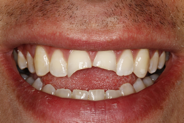
A 19-year-old patient named Tim presented with a crown fracture on his two central incisors. We decided to use the broken tooth fragments he brought to repair the fracture; the treatment was successful. Tim was pleased to have his smile back, and I was glad we could accomplish an otherwise long, complex restoration in a short emergency visit.
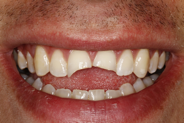
Published research, as well as Andreasen’s guide on dental trauma, recommends that rebonding of fractured fragments is a viable treatment option. What helped us get a favorable outcome in this case?
- The fracture had not affected the pulp.
- I was able to see Tim within hours of the accident.
- Tim had been able to bring the fractured fragments with him when he came to see me.
- He had put the fragments in a moist paper towel inside a plastic bag, so the fragments were not dehydrated.
- The fragments were a perfect fit. The pieces when put together completed the missing tooth structure in its entirety.
Technique
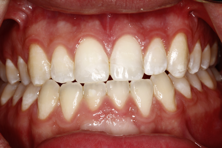
- First, a putty index was made with the broken fragments in position.
- Generous bevel was placed on the enamel. This helped to increase the enamel surface area for better bond strength.
- The putty index was used to orient the fragments to correct location.
- Composite restoration with total-etch technique using a fourth-generation bonding agent was completed.
- Using the fragments made it easy to replicate the original anatomic form, color, and texture in the restoration.
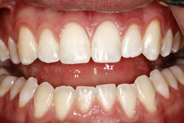
It’s been 15 months, and Tim hasn’t had any problems with the treatment. (He also doesn’t wear the nightguard appliance I recommended; however, his teeth have tested vital at two follow-up appointments.)
References
- Badami V, Reddy SK. (2011). Treatment of complicated crown-root fracture in a single visit by means of rebonding. The Journal of the American Dental Association, 142(6), 646-650.
- Macedo GV, Ritter AV. (2009). Essentials of rebonding tooth fragments for the best functional and esthetic outcomes. Pediatric Dentistry, 31(2).
VIRTUAL SEMINARS
Get Live Training Without Leaving Your Practice
Traveling for CE means blocking out days you don’t have. Spear’s virtual seminars bring live, faculty-led training straight to your office, so you can learn from home or between patients and apply what you learned right away.
Featured Digest articles
Insights and advice from Spear Faculty and industry experts