- Article
- Occlusion / Wear
Restoring a Worn Dentition: Essential Treatment Considerations
Andy Janiga
•
September 29, 2026
How wear patterns determine your treatment approach
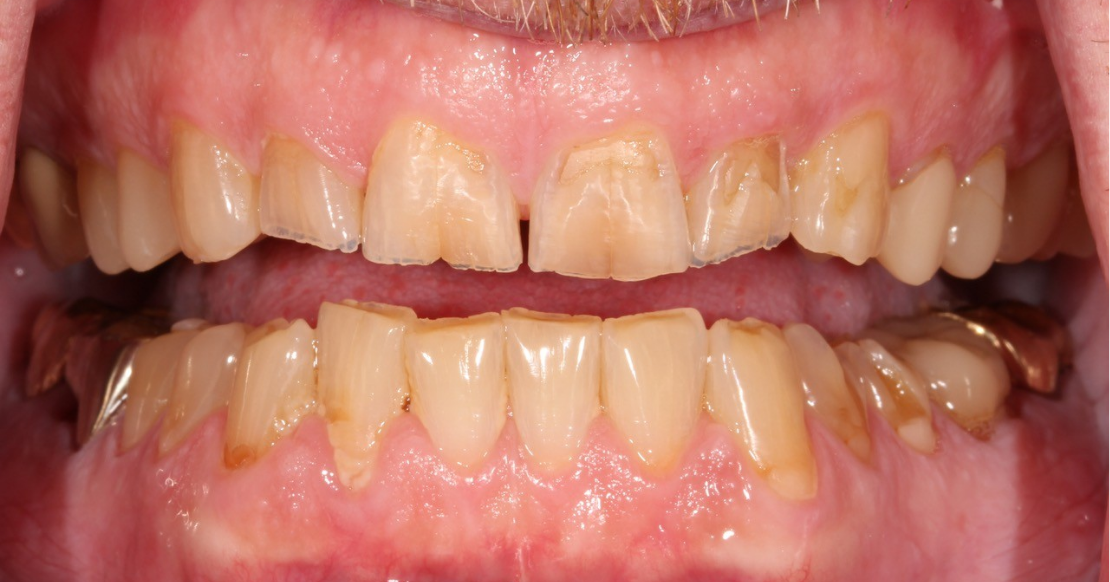
A patient sits down for a routine exam, and the wear is obvious before you even pick up a mirror. You see flattened incisal edges, a bite that’s collapsed a little more than it was five years ago, maybe a composite patch that’s already failed once. The instinct is to reach for a shade guide and start planning porcelain, but that instinct is exactly how wear cases go sideways.
Restoring a worn dentition starts with identifying why the teeth wore down in the first place.
Attrition, erosion, and abrasion each damage tooth structure differently, and recognizing which pattern is present is the first step before any treatment begins.
For the complete framework on diagnosing wear type, classifying severity, and choosing between additive, appliance, and full-mouth approaches, see Spear’s complete guide to tooth wear treatment. This article builds on that diagnosis to cover two tools worth knowing in detail: orthodontics and trial therapy.
Once a worn dentition is diagnosed, two considerations from Spear’s Treating the Worn Dentition seminar guide a predictable restorative plan: orthodontics and trial therapy.
This article breaks down when each tool applies and how skipping either one can complicate a wear case down the line.
Most continuing education treats wear as a materials problem, pick a stronger ceramic material, and hope it holds. Spear’s worn dentition seminar teaches clinicians to see it as a diagnostic problem first: identify the wear pattern, then let that pattern dictate every decision that follows, from case sequencing to occlusal design.
Restoring a worn dentition well means treating the diagnosis, not just the damage.

How does orthodontics help when restoring a worn dentition?
When treatment planning the rehabilitation of a worn dentition, orthodontics can play a vital role. Observing the wear pattern first, whether it’s segmental or generalized, determines whether orthodontics belong in the plan at all. A 2023 diagnostic framework for tooth wear underscores why identifying that pattern before treatment planning is so essential.
What is segmental wear?
Restoring a worn dentition starts differently depending on how much of the arch is involved. With segmental wear, only part of the dentition is worn. This is commonly seen with anterior-only wear, where posterior teeth show no signs of wear, or posterior-only wear, where the anterior teeth are unaffected.
In many segmental wear cases, the worn teeth have undergone compensatory eruption, closing the space needed for a restoration. Orthodontically intruding those teeth back to their proper position creates the restorative space necessary to restore them.
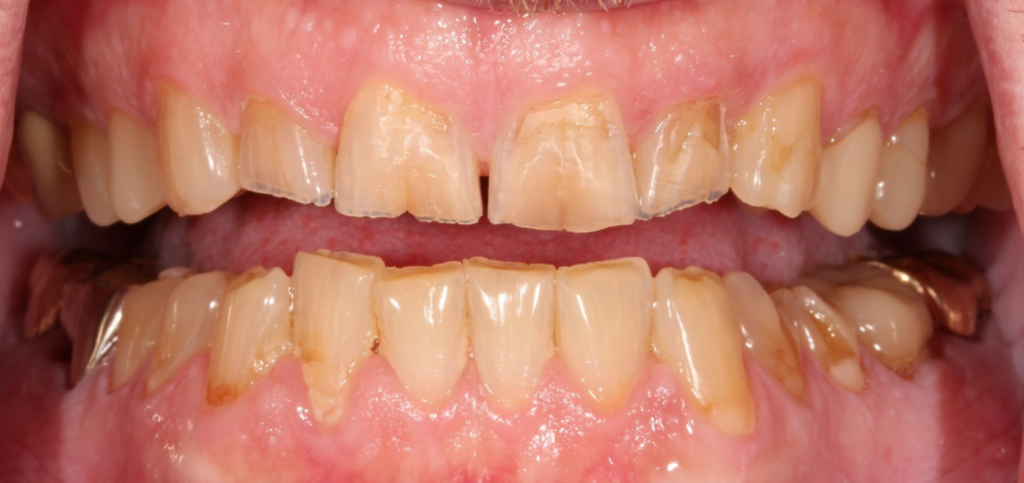
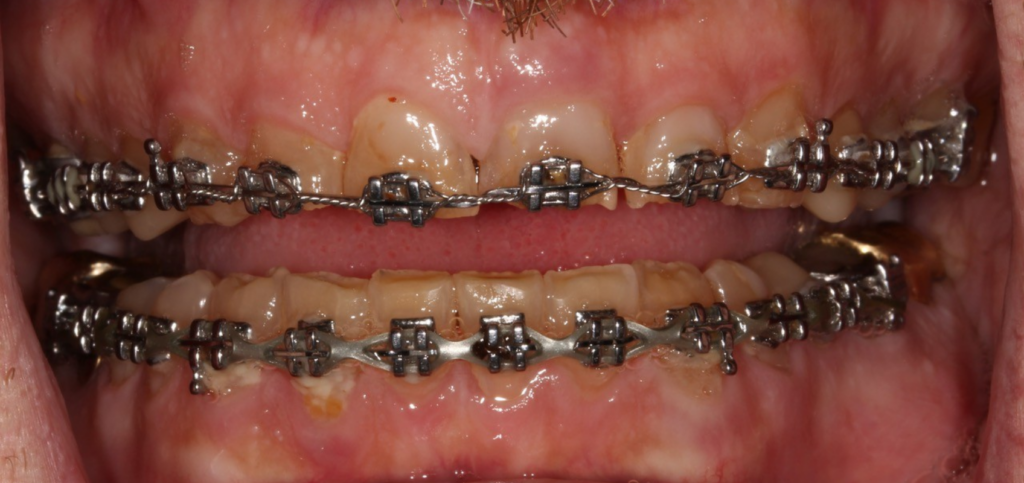
What is generalized wear?
When generalized wear occurs, all the teeth in the arch show wear. Restoring a worn dentition at this scale calls for a different strategy than a segmental case. In these cases, orthodontics typically has less impact, and increasing the vertical dimension restoratively is usually the better way to create space.
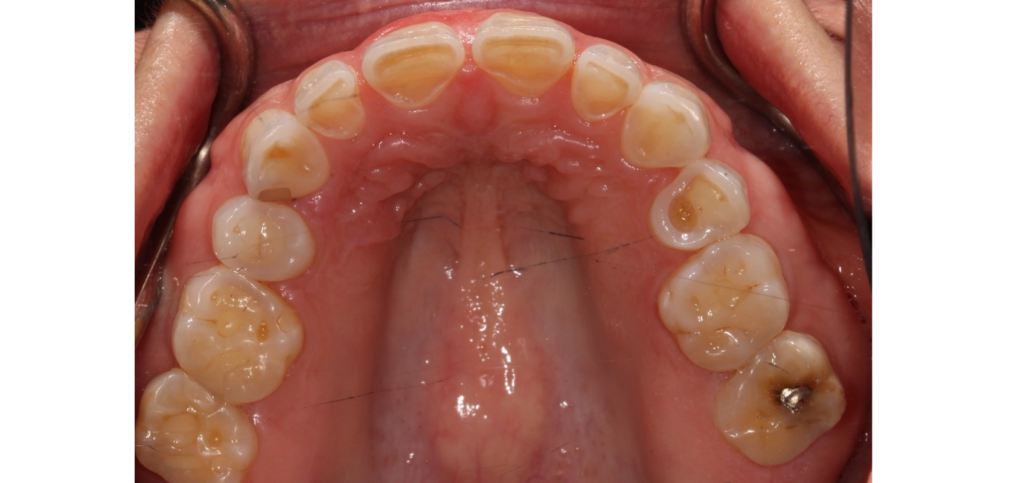
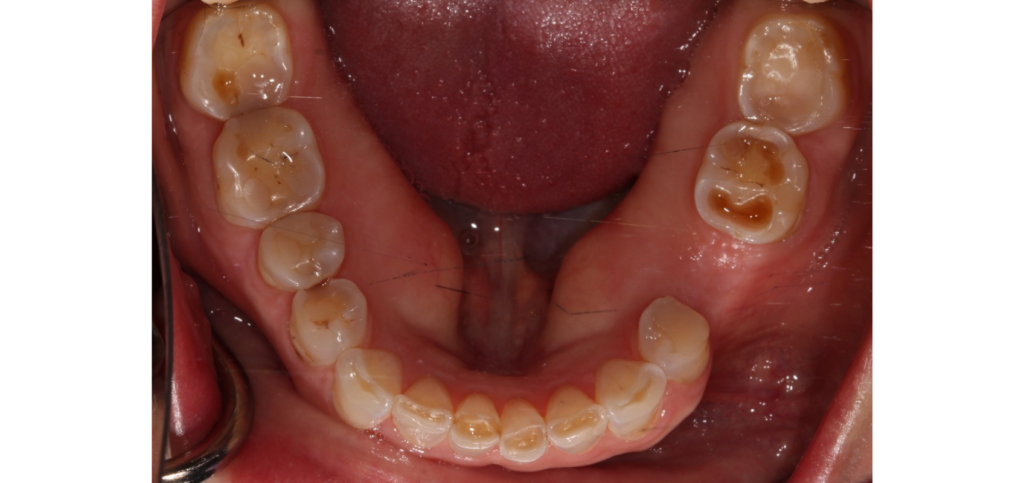
What mistakes should dentists avoid?
Ignoring the wear pattern during treatment planning can lead to avoidable problems. Teeth that are already worn have less tooth structure to work with, and preparing them without accounting for their wear pattern can lead to over-preparation, short or unretentive preparations, or unnecessary pulpal exposure.
Over-prepare one of these teeth, and the consequence isn’t cosmetic; it’s a root canal the patient didn’t sign up for at that appointment.
Skipping orthodontic treatment for segmental wear cases carries its own risk: restorations that end up too long, which can become an anterior esthetic concern in posterior-only segmental wear cases. Orthodontic treatment for these cases can reduce the number of teeth that need restorations altogether, making the plan more conservative.
What is trial therapy for restoring a worn dentition?
Think of trial therapy as a dress rehearsal for the smile that’s about to go permanent, minus the price tag if something needs to change.
Trial therapy is a treatment modality in which the proposed final restorations are tested in a long-term provisional phase. Rather than taking a prep-and-pray approach (preparing worn teeth and hoping the ceramic restorations don’t chip, break, or fracture), trial therapy mocks up the case and tests function in composite before moving to definitive restorations. Most trial therapy is fabricated using an injection-molded technique based on a wax-up of the proposed final result.
How does trial therapy reduce risk?
Trial therapy allows for corrections and adjustments to the occlusal scheme before final restorations are placed. If a restoration chips, breaks, or fractures during trial therapy, that failure becomes diagnostic information, showing exactly what needs to be adjusted before moving to definitive porcelain restorations. Testing the new occlusion this way reduces the risk of complications and failures once the case is restored permanently.
A chipped composite in trial therapy costs a bur and five minutes of chair time. The same failure in porcelain costs a remake, a frustrated patient, and a hit to the case’s profitability.
How long does trial therapy last?
In general, trial therapy runs for at least a month. More complex cases may require a few months of trial therapy to confirm that the patient can function comfortably with their new occlusal scheme before moving forward.
How can trial therapy help phase treatment?
Restoring a worn dentition doesn’t have to happen in one visit. Trial therapy makes it possible to phase treatment without losing control of the outcome.
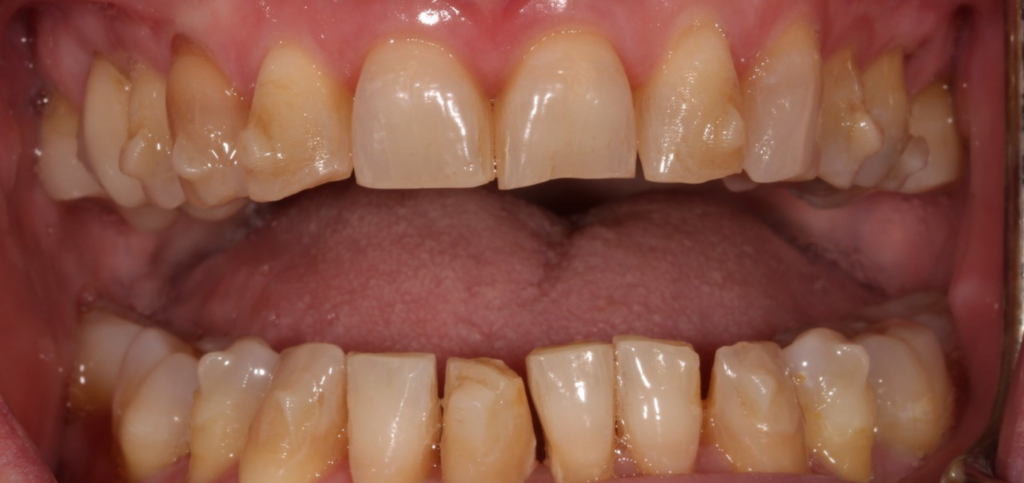
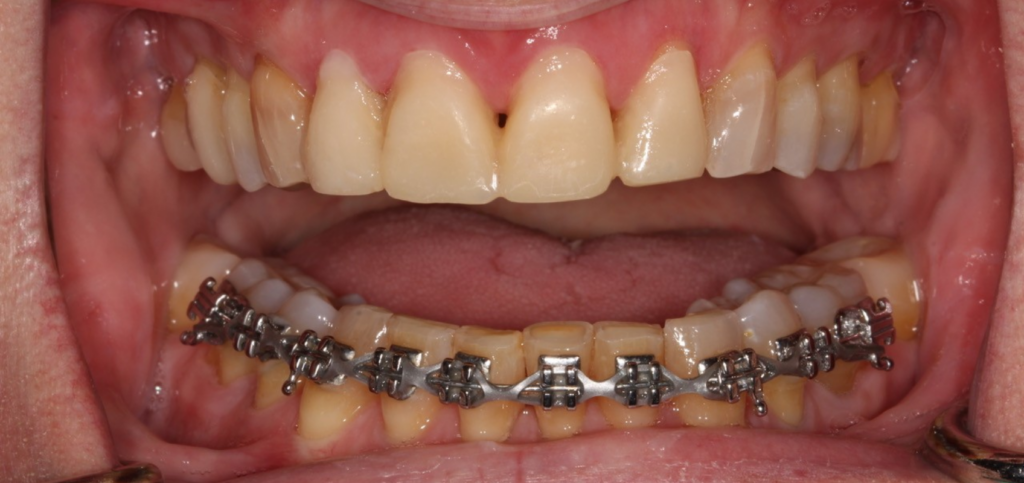
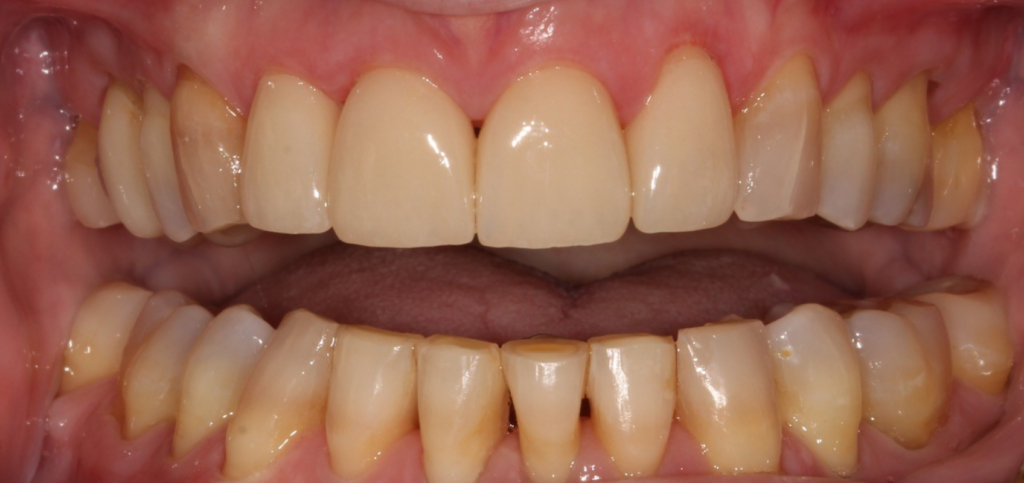
Trial therapy can also phase full-mouth rehabilitation cases. Using composite restorations as transitional restorations allows patients to spread a full-mouth rehabilitation over a few years, making treatment achievable even when financial considerations are a factor.
What’s the takeaway on restoring a worn dentition?
Restoring a worn dentition predictably comes down to two things:
- Diagnosing the wear pattern correctly
- Giving the case time to prove itself before committing to porcelain
Segmental wear often calls for orthodontic intrusion; generalized wear more often calls for restorative changes in vertical dimension; and either condition benefits from trial therapy to confirm function before the final restorations go in.
That’s the difference between treating a worn tooth and restoring a worn dentition: one fixes what’s broken, the other protects the entire case from breaking again.
That patient from the exam chair, the one with the flattened edges and the failed composite patch, doesn’t need a new shade guide first. They need the wear pattern identified, so the shade guide ends up the last decision made instead of the first.
Spear’s Treating the Worn Dentition Seminar goes deeper into the etiology, sequencing, and materials behind these decisions, and pairs well with the case-planning approach covered in Managing Over-Eruption Following Tooth Wear for dentists treating segmental wear cases. Whether the fix is orthodontic, restorative, or both, restoring a worn dentition is a sequence worth following in order.
Restoring a worn dentition case doesn’t get easier by waiting. Every month a diagnosis sits unaddressed is another month of tooth structure lost, and another month closer to a case that no longer has the restorative space for a conservative fix.
Restoring a worn dentition predictably isn’t guesswork; it’s a sequence, and Spear’s Campus workshop and seminar, including Worn Dentition, teach that sequence directly from faculty who treat these cases every week.
Frequently Asked Questions
SPEAR campus Workshops
Learn Hands-on From Faculty Who Still Practice
A few days at Spear Campus can change how you diagnose, plan, and present cases, not through more lectures, but through hands-on training led by faculty who treat patients every week. Work through real cases in small groups and leave with techniques you can use on your next patient.
Featured Digest articles
Insights and advice from Spear Faculty and industry experts