- Article
- Techniques / Materials
Indirect Pulp Capping: Techniques, Indications, and Outcomes
Andy Janiga
•
July 20, 2020
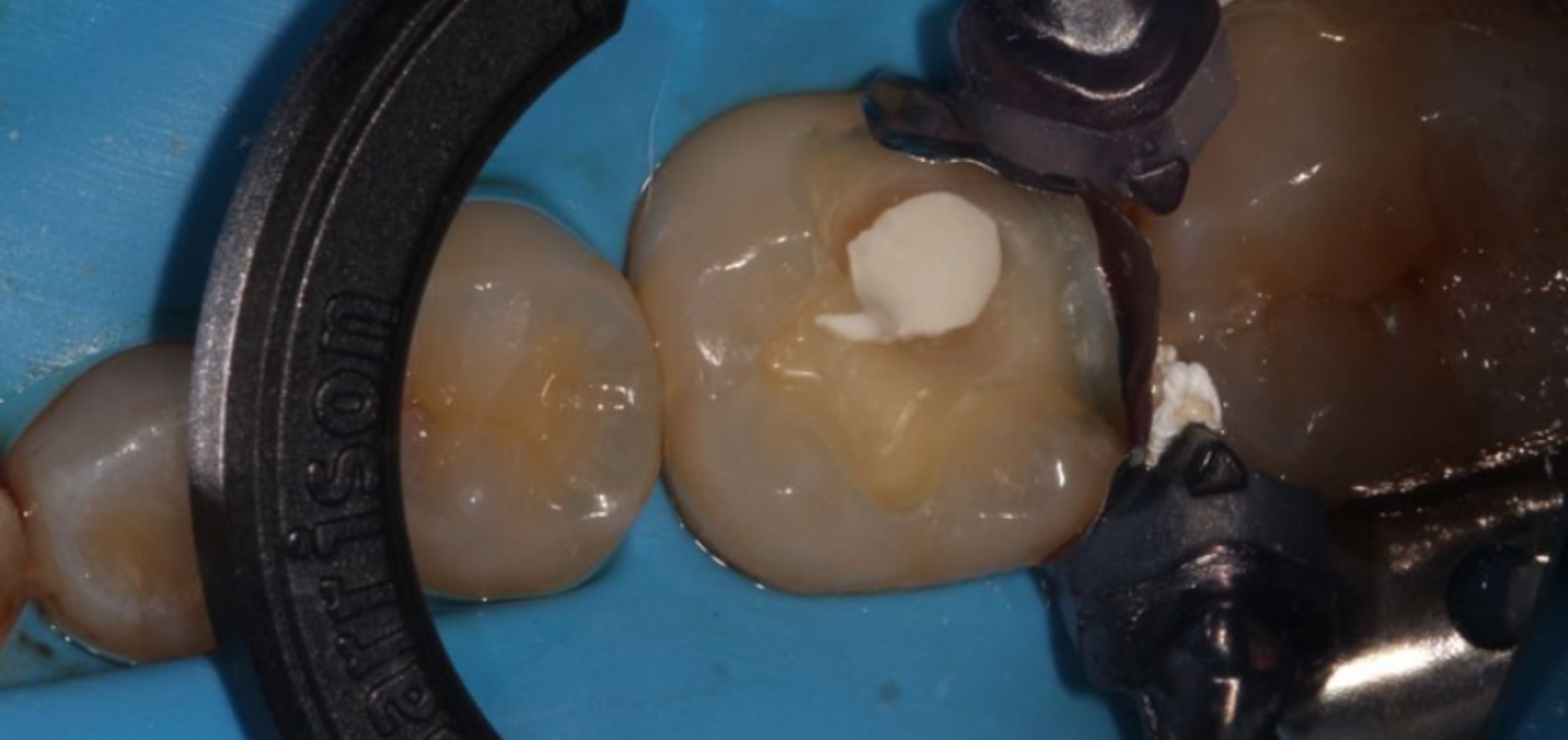
Managing and restoring teeth with deep carious lesions is a challenge encountered in daily clinical practice. Indirect pulp capping is one of the primary treatment options available when a carious lesion approaches or contacts the pulp; therefore, understanding when and how to perform it can mean the difference between preserving a vital tooth and proceeding to endodontic therapy.
To understand the role of indirect pulp capping, it is helpful to place it within the broader category of vital pulp therapy. Pulp capping falls into two categories: indirect and direct. In an indirect pulp cap, caries approaches the pulp without exposing it. In a direct pulp cap, the pulpal tissue is exposed, and a medicament is placed directly over the site.
Should we pulp cap?
First, confirming that pulp capping is technically feasible is only part of the clinical equation.
One of the longstanding debates in restorative dentistry has been whether pulp capping can produce reliable, long-term results.
However, with a stronger focus on conservative dentistry and a growing body of clinical research, pulp capping has become a predictable option for appropriately selected patients.
Indirect pulp capping consistently demonstrates high success rates because the pulp tissue is never exposed. For direct pulp caps, modern bioceramic materials such as MTA have significantly changed the clinical calculus.
Determining whether a specific tooth is a good candidate is equally important, and the key is establishing an accurate endodontic diagnosis before excavation begins.
Endodontic diagnosis as the foundation
Establishing an endodontic diagnosis before caries excavation allows the clinician to predict the most appropriate course of treatment before creating a potentially irreversible situation.
Teeth that present with a normal pulpal response or symptomatic reversible pulpitis upon cold testing are candidates for pulp capping. Teeth that test positive for symptomatic irreversible pulpitis or pulpal necrosis are not.
In addition, percussion or palpation sensitivity and the presence of a periapical radiolucency indicate apical periodontitis, which rules out pulp capping as a viable option.
A clinical decision-making framework
The challenge of knowing when to attempt pulp capping versus recommending endodontic therapy or extraction is a common one, particularly in patients with large carious lesions on vital teeth.
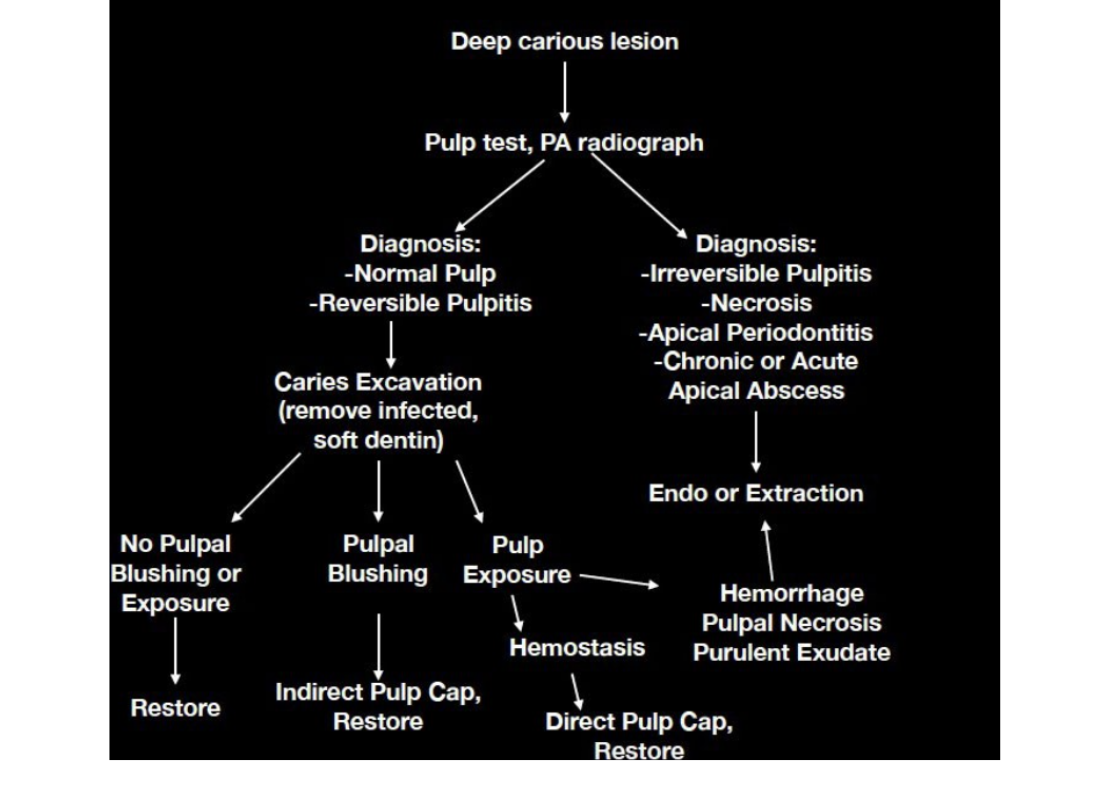
Based on clinical experience treating young adults with these presentations, Dr. Andy Janiga and Dr. William Belknap developed a flow chart to guide that decision. The chart outlines a step-by-step process for determining whether a pulp cap is appropriate or whether a more definitive intervention is indicated.
The role of rubber dam isolation
When treating a deep carious lesion near the pulp chamber, rubber dam isolation is strongly advised. Isolation minimizes contamination of the preparation and facilitates an efficient transition to endodontic therapy if pulp exposure occurs.
Indirect pulp capping: Stepwise vs. single-visit excavation
When a carious lesion is near the pulp, excavation is performed using one of two approaches.
Stepwise caries removal is a two-visit procedure in which all carious enamel is removed, but carious dentin adjacent to the pulp chamber is intentionally left in place.
A medicament is placed over the remaining carious dentin, a provisional restoration is seated, and the patient returns for a second appointment. At re-entry, the provisional restoration and remaining caries are removed, and a definitive restoration is placed.
The goal of the stepwise approach is to promote the formation of tertiary dentin1 and to alter the intra-tooth bacterial environment, thereby reducing the likelihood of pulp exposure at the second appointment.
Single-visit excavation removes as much of the carious lesion as possible without inducing a pulpal exposure. A medicament is placed at the deepest aspect of the preparation, and a definitive restoration is placed immediately. This approach eliminates the need for a second visit and removes the risk of an inadvertent pulpal exposure during re-entry.2
Research supports both techniques, but outcomes favor the single-visit method. A systematic review by Hoefler et al. found that both approaches can successfully maintain pulp vitality, and that teeth treated with a single-visit technique were more likely to remain vital at follow-up, with a 96% vitality rate compared to 83% for the stepwise approach at a three-year follow-up.3
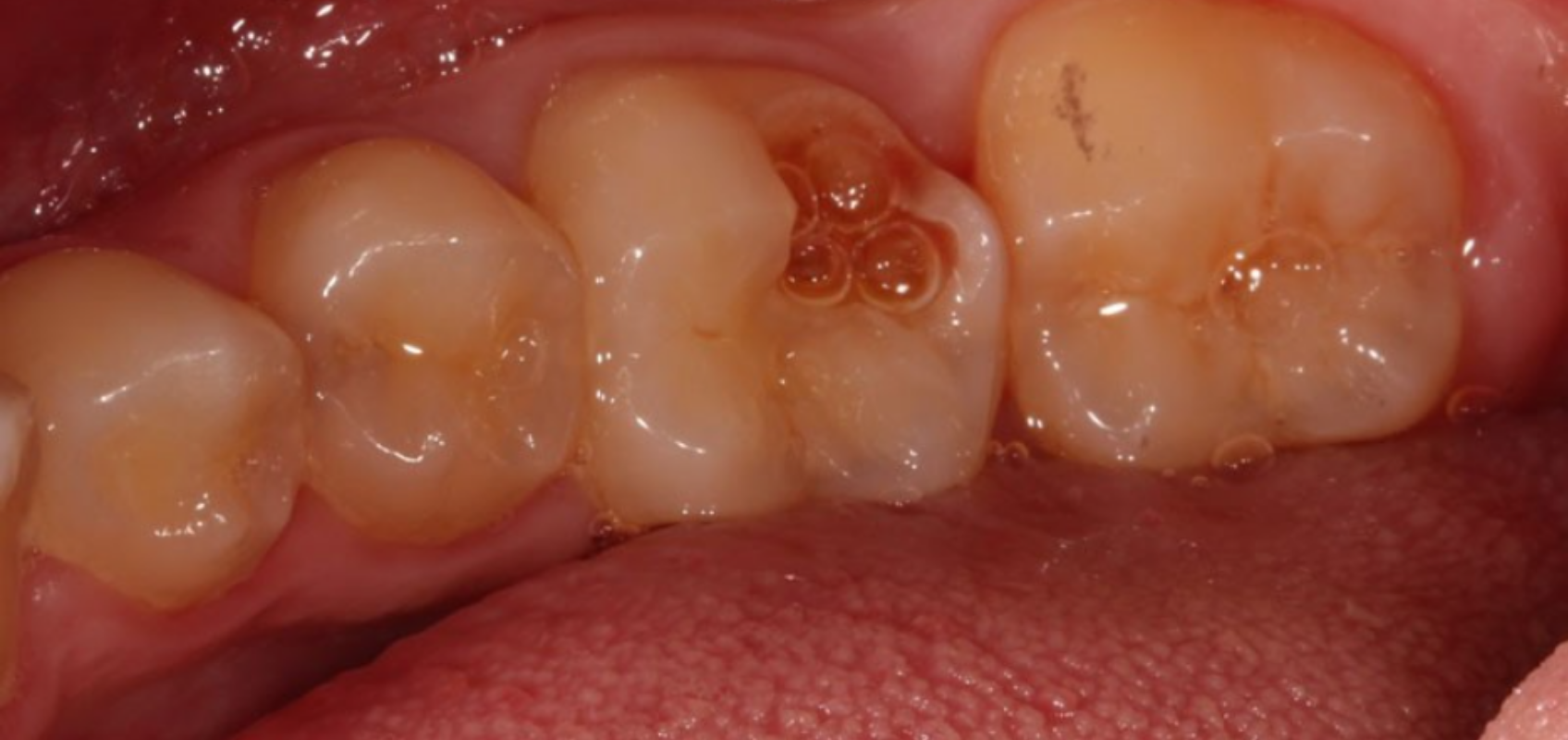
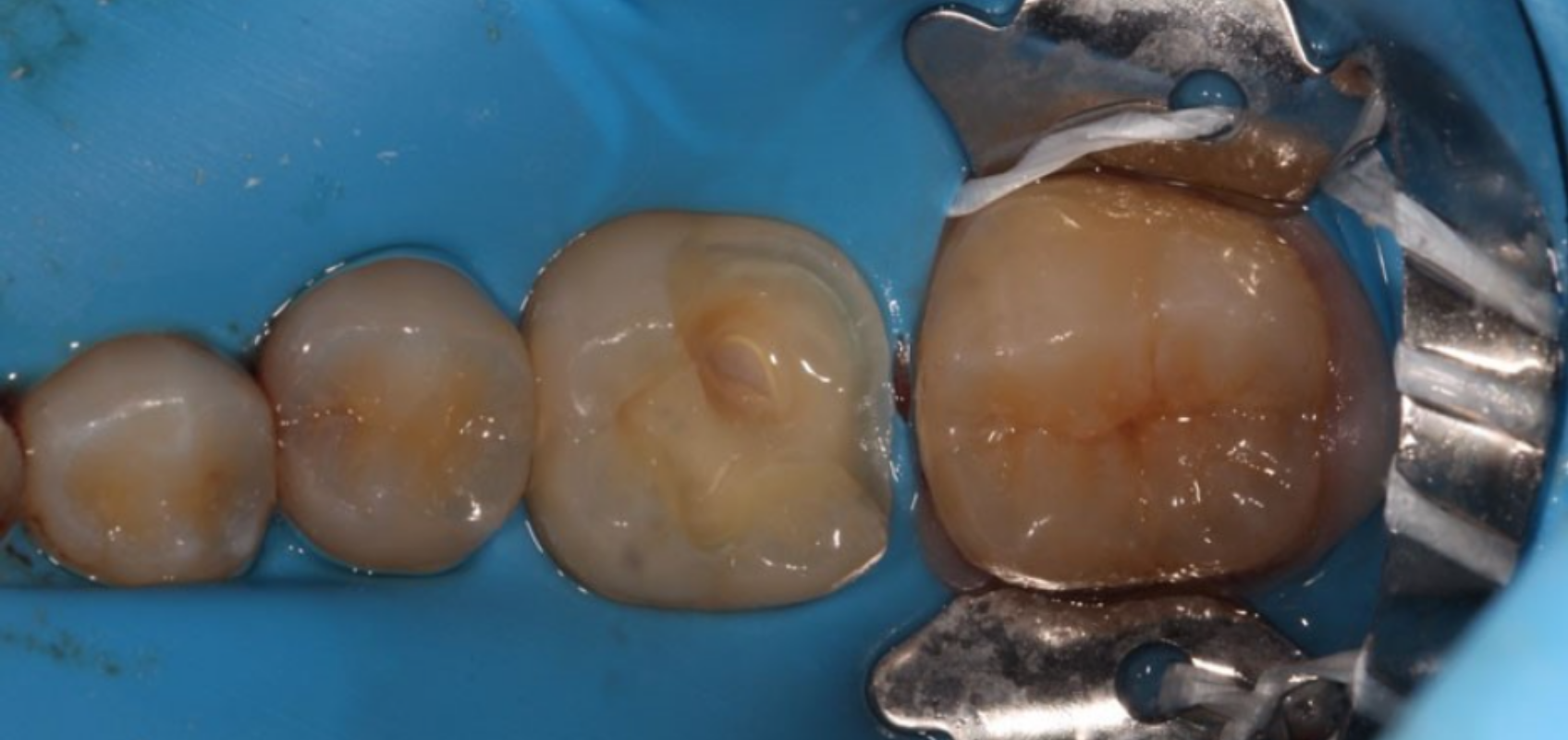
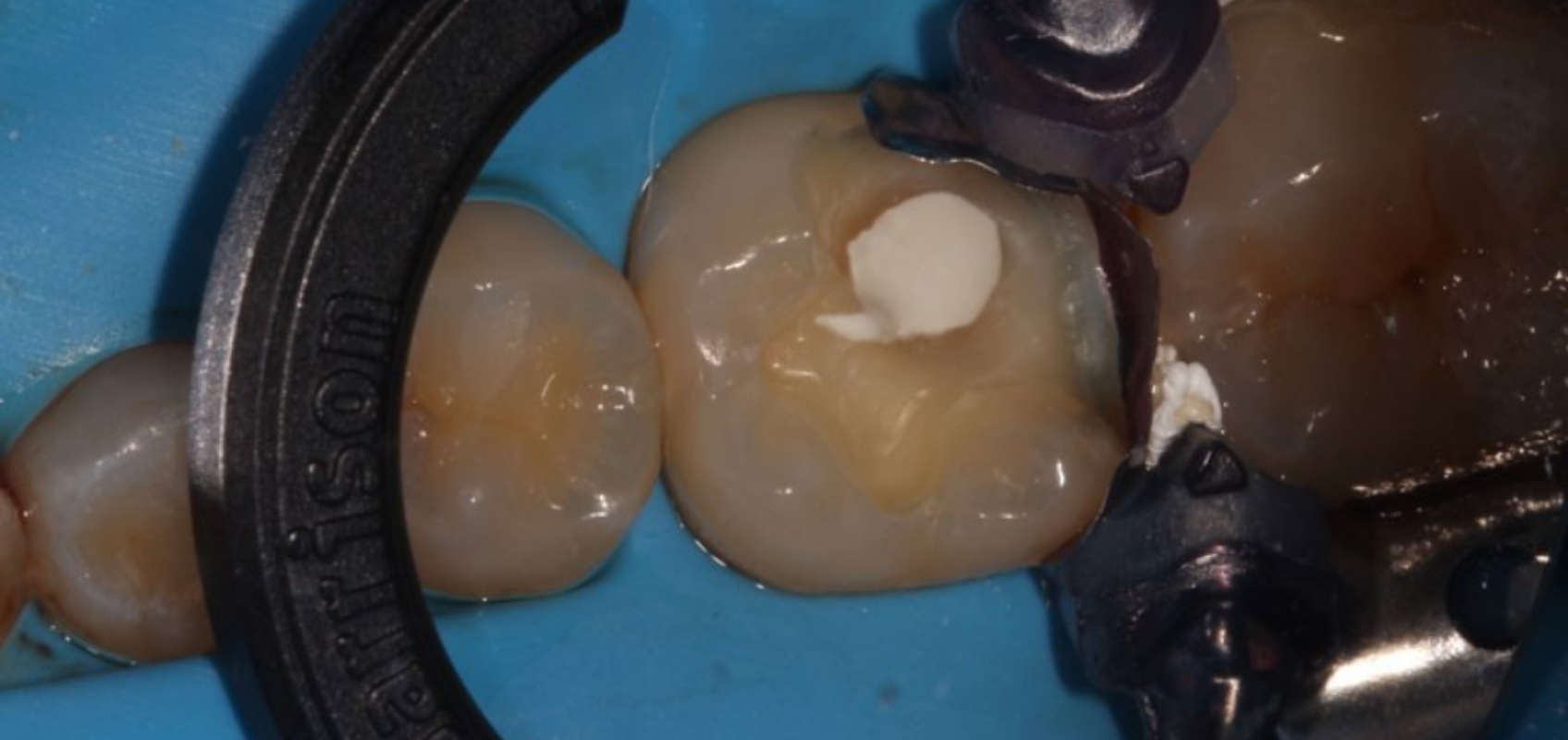
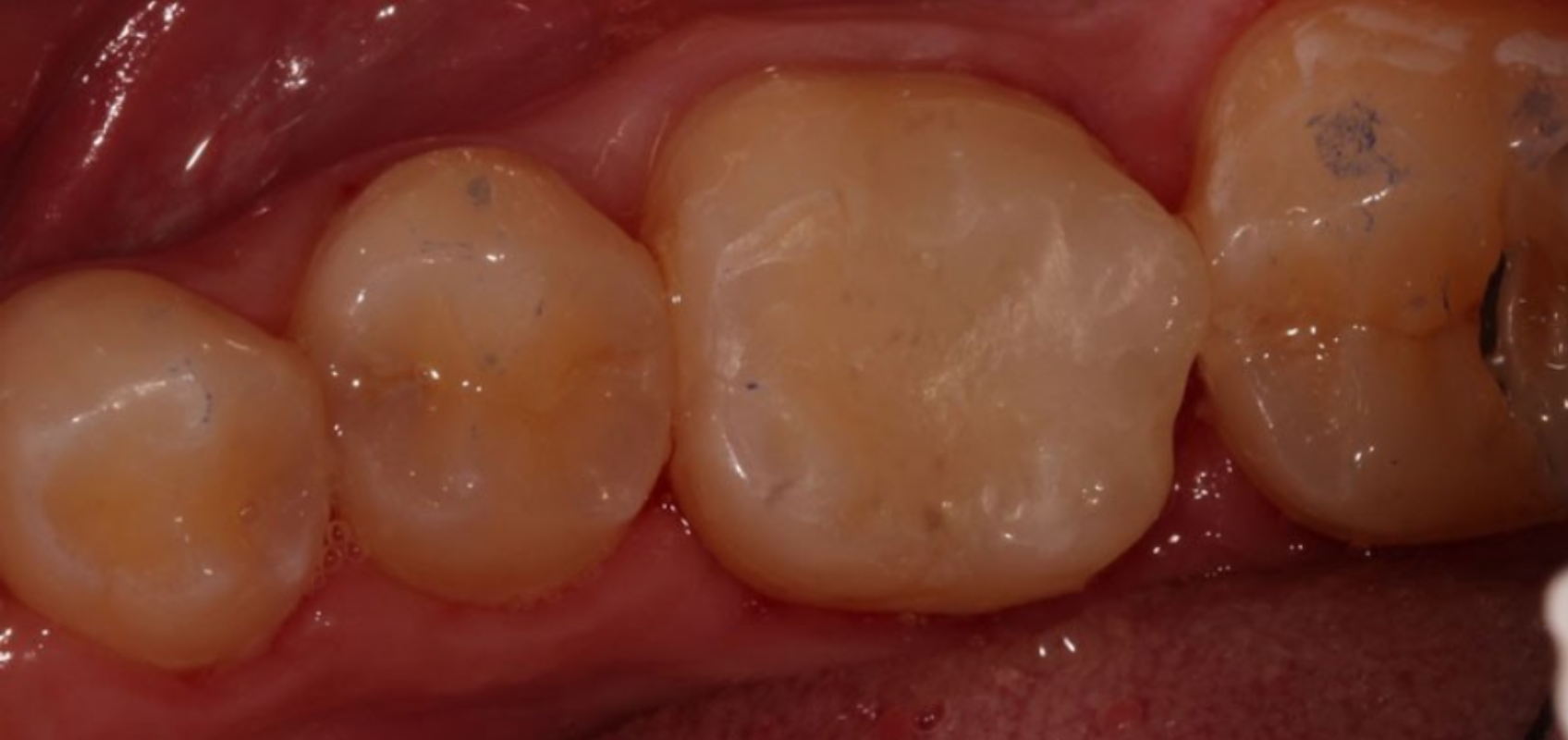
Figures 1A–D illustrate a single-visit indirect pulp cap: a deep carious lesion in proximity to the pulp chamber; caries excavation with pulpal blushing visible at the deepest preparation; placement of bioceramic material; and the completed composite restoration.
Direct pulp capping
A direct pulp cap involves placing a medicament directly over exposed pulpal tissue. Pulp exposure can result from carious excavation or traumatic injury. Historically, any pulp exposure was considered an indication for endodontic therapy. However, direct pulp capping may be a feasible alternative in specific clinical situations, particularly when modern bioceramic materials, such as MTA and similar calcium silicate-based compounds, are used to promote pulp healing and dentin bridge formation.
Multiple studies have demonstrated that direct pulp capping can produce predictable results.4,5 Research in the endodontic community has shown that vitality can be maintained even when a carious pulp exposure occurs in mature permanent teeth.6
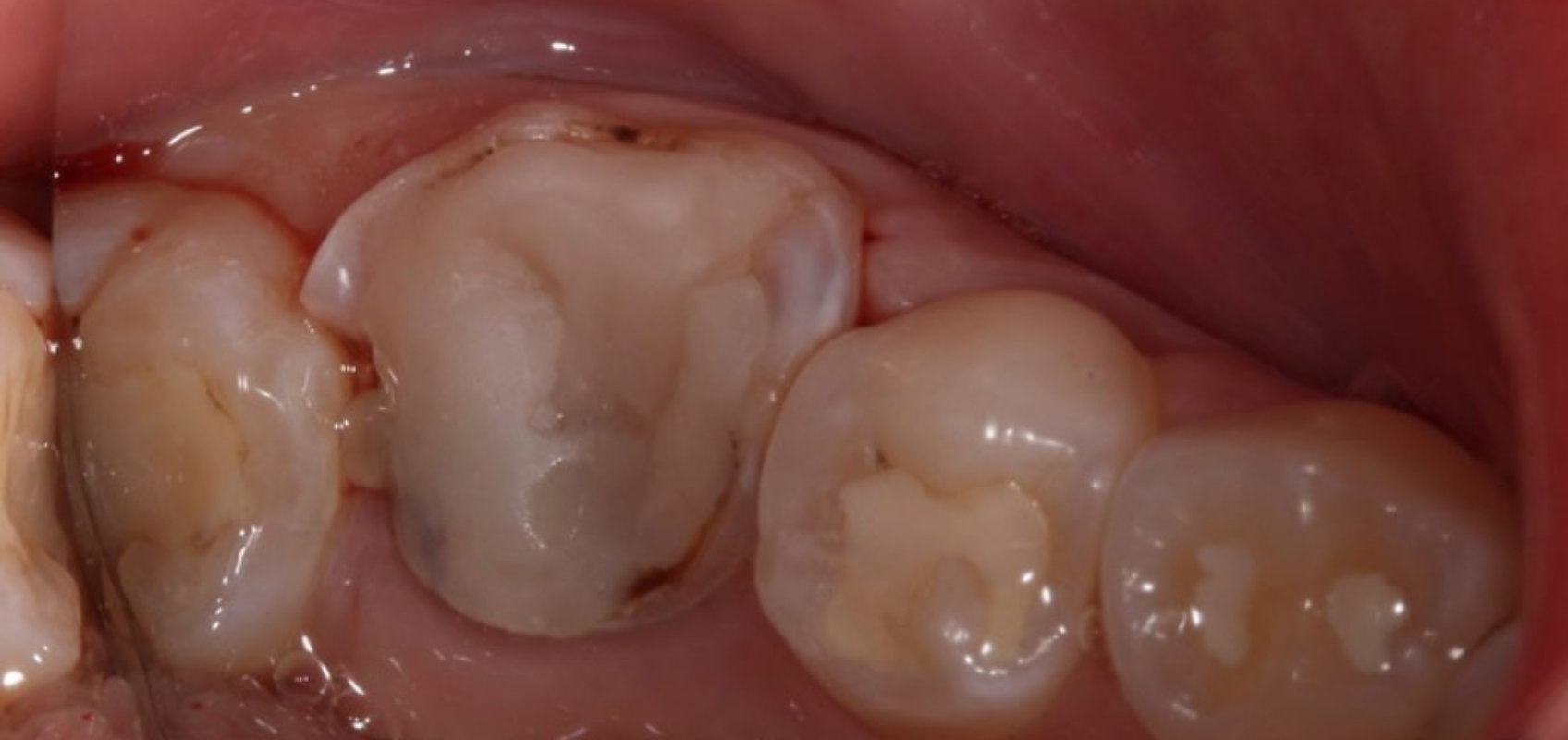
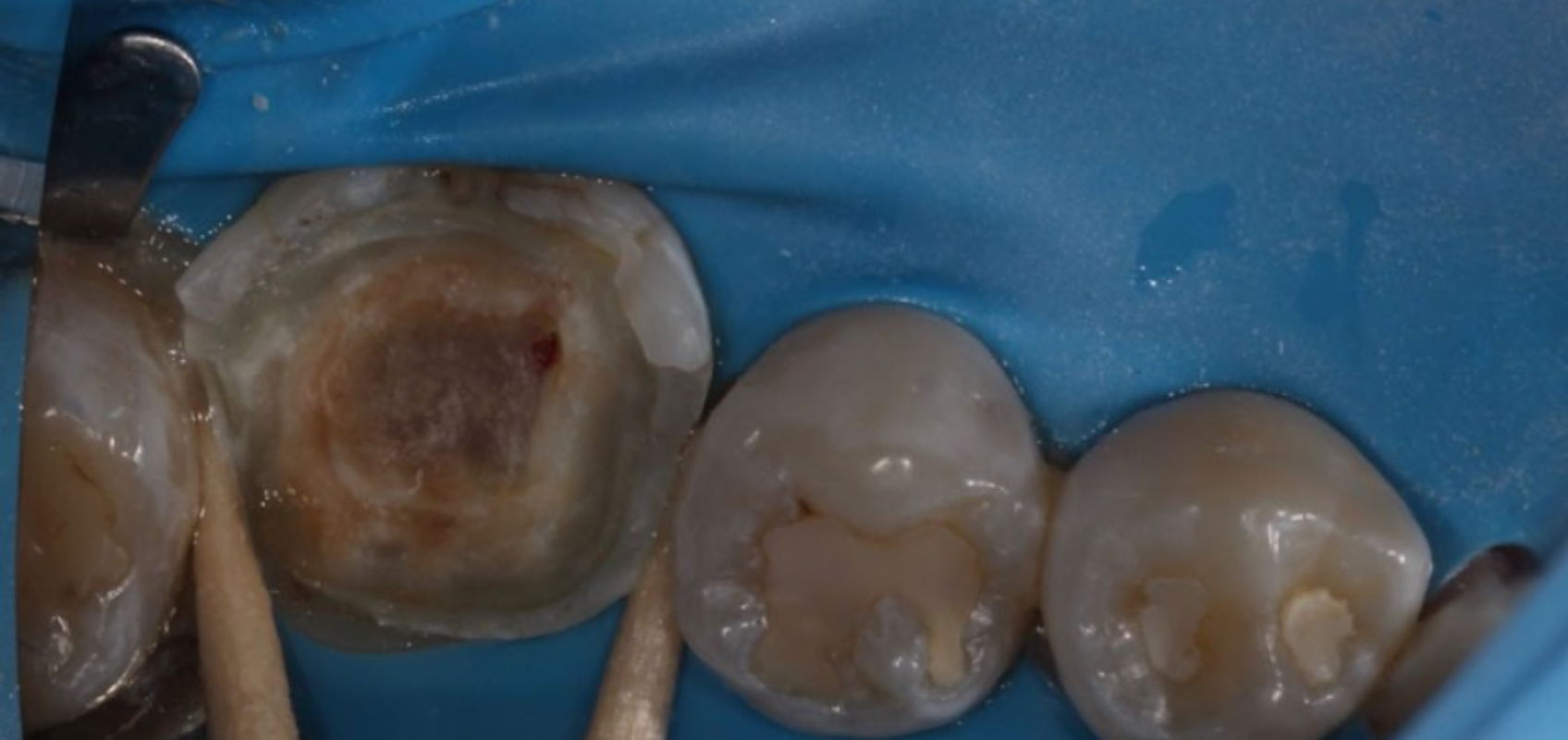
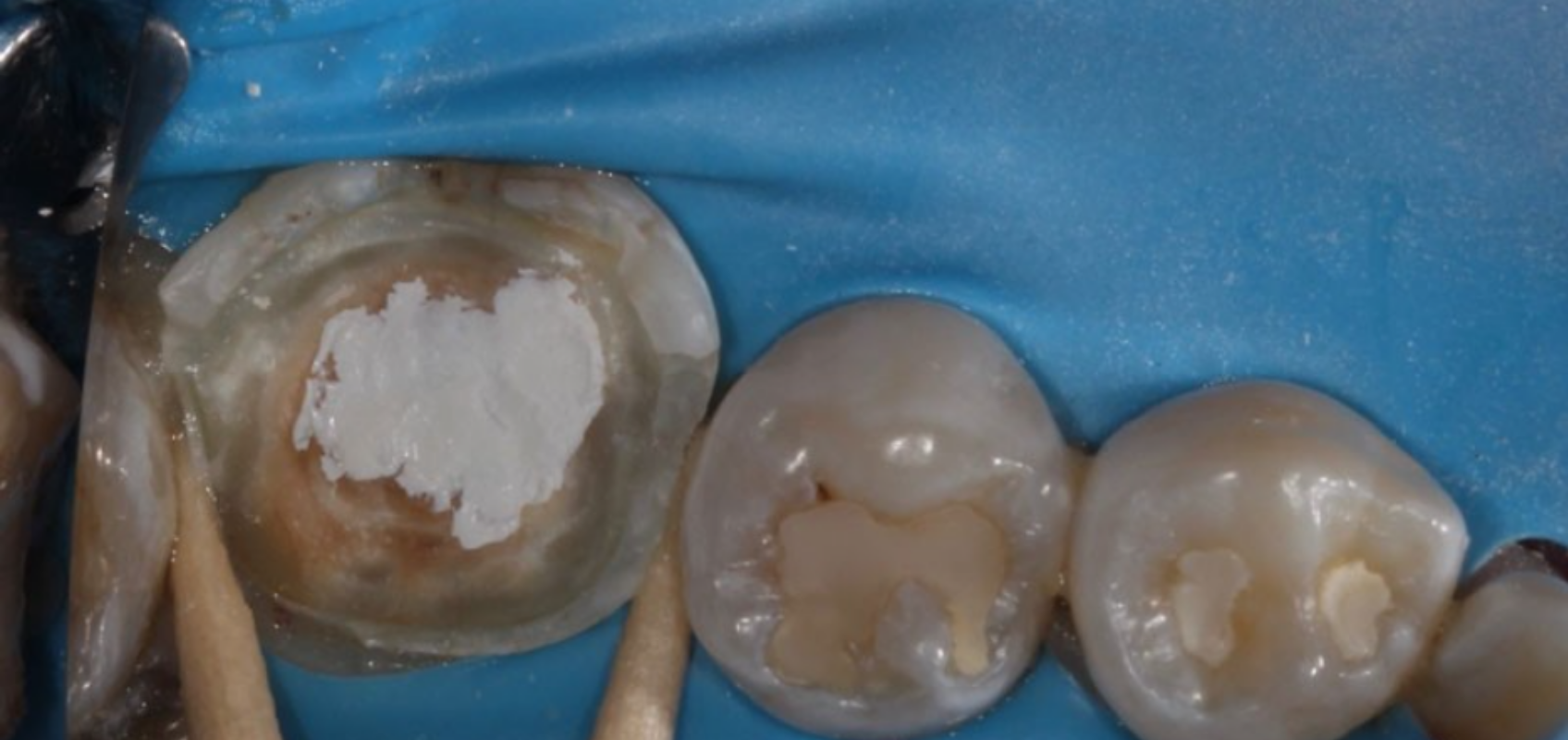
Figures 2A through 2D show a direct pulp cap sequence on tooth #19: a large carious lesion near the pulp, a small exposure with hemostasis achieved using direct pressure, placement of bioceramic material, and the completed composite restoration.
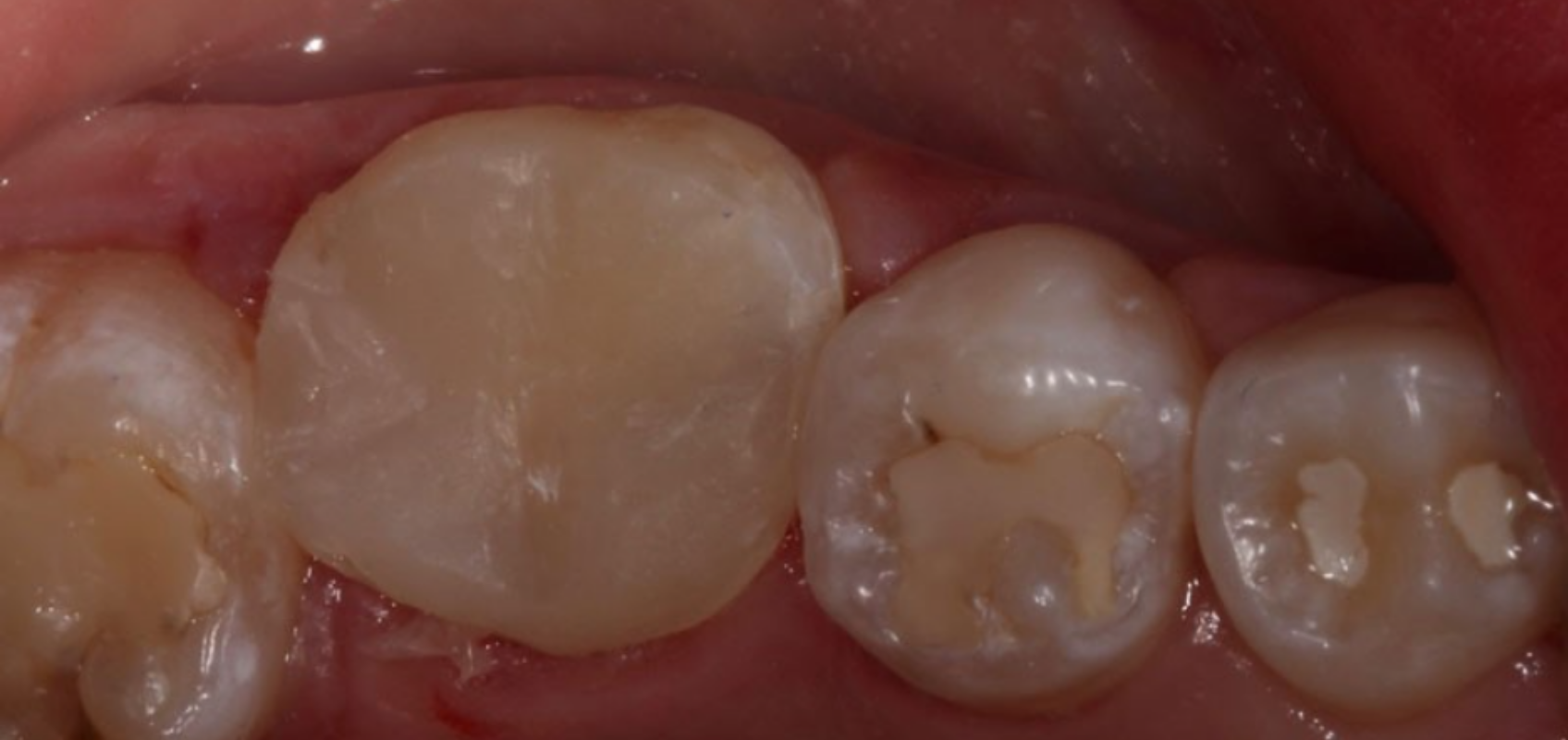
The clinical evidence supports pulp capping as a predictable treatment option when properly indicated. For indirect pulp capping, single-visit excavation produces higher three-year vitality rates than the stepwise approach. For direct pulp capping, bioceramic materials such as MTA have enabled the maintenance of vitality even after carious pulp exposures in mature permanent teeth. In both cases, accurate endodontic diagnosis before excavation is the most important factor in predicting a successful outcome.
References
- Bjørndal, L., Larsen, T., & Thylstrup, A. (1997). A clinical and microbiological study of deep carious lesions during stepwise excavation using long treatment intervals. Caries Research, 31(6), 411-417.
- Bjørndal, L. (2008). Indirect pulp therapy and stepwise excavation. Pediatric Dentistry, 30(3), 225-229.
- Hoefler, V., Nagaoka, H., & Miller, C. S. (2016). Long-term survival and vitality outcomes of permanent teeth following deep caries treatment with step-wise and partial-caries-removal: a systematic review. Journal of Dentistry, 54, 25-32.
- Asgary, S., Hassanizadeh, R., Torabzadeh, H., & Eghbal, M. J. (2018). Treatment outcomes of 4 vital pulp therapies in mature molars. Journal of Endodontics, 44(4), 529-535.
- Hilton, T. J., Ferracane, J. L., Mancl, L., & Northwest Practice-based Research Collaborative in Evidence-based Dentistry (NWP). (2013). Comparison of CaOH with MTA for direct pulp capping: a PBRN randomized clinical trial. Journal of Dental Research, 92(7_suppl), S16-S22.
- Suhag, K., Duhan, J., Tewari, S., & Sangwan, P. (2019). Success of direct pulp capping using mineral trioxide aggregate and calcium hydroxide in mature permanent molars with pulps exposed during carious tissue removal: 1-year follow-up. Journal of Endodontics, 45(7), 840-847.
Frequently Asked Questions
SPEAR campus Workshops
Learn Hands-on From Faculty Who Still Practice
A few days at Spear Campus can change how you diagnose, plan, and present cases, not through more lectures, but through hands-on training led by faculty who treat patients every week. Work through real cases in small groups and leave with techniques you can use on your next patient.
Featured Digest articles
Insights and advice from Spear Faculty and industry experts