- Article
- Practice Management
- Techniques / Materials
Transferring Retention for Dental Patients with Problem Retention Issues
Cheryl DeWood
•
August 29, 2014
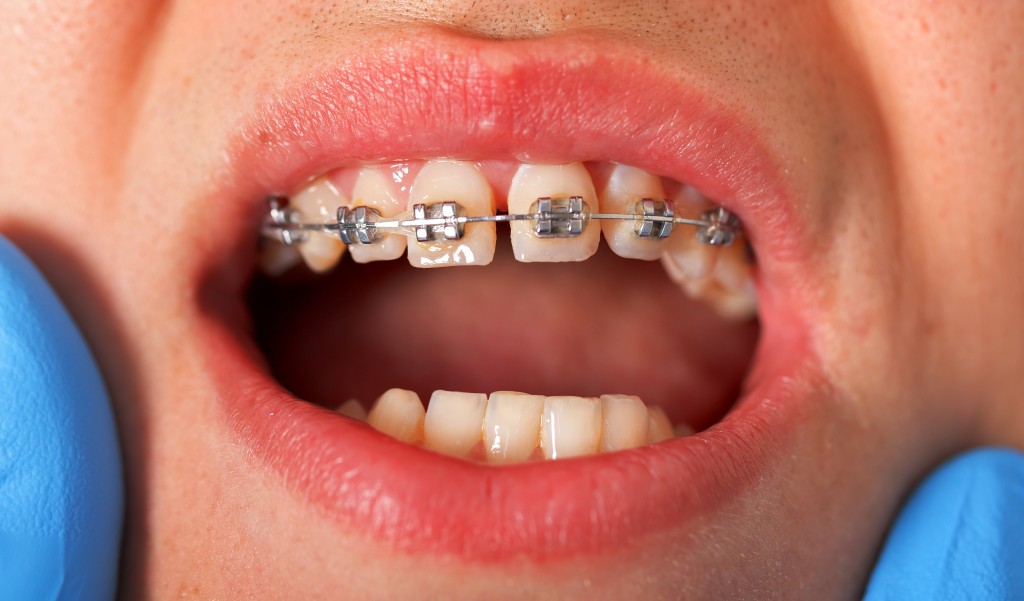
In previous posts, I discussed how you might go about setting up a plan for transfer of retention from orthodontists, both within and outside your referral network to you. A given in these scenarios was that the patient’s current retention was effective and the patient was satisfied with the treatment result. What about when that’s not the case? That is, what if the retention has not been effective or the patient isn’t happy with the treatment result?
You’d like to help your patient, but you also don’t want to get in the middle of a mess. In such cases, it would be easiest to look the other way and let the whole orthodontic situation exist separately from the patient’s other dental existence. In fact, this is usually what we do when it comes to postorthodontic treatment.
However, in what other overlap of specialist/GP treatment would we consider this appropriate? For example, if I refer a patient to the endodontist and patient returns to me still having pain or swelling, do I just pretend they don’t? Of course not. How about the implant that fails to osseointegrate? Do I carry on with my restorative treatment as if it had? Again, of course not. I’m sure you can think of other examples.
Not only do I owe it to my patient to acknowledge a problem when there is one, in almost every instance the specialist to whom those patients had been referred would want to know about the problem and have an opportunity to address it.
Why is it that this seems to be less true of our interactions with orthodontists? I think this is, in part, because the GP/orthodontist relationship is different from other GP/specialist relationship in some important ways — ways that create obstacles when it comes to how GPs interact with postortho patients.
SPEAR All access
One Membership, $555 More a Day
Practices on Spear All Access see a median daily production gain of $555, with a 9.9% median lift in hygiene production. That’s not from one course or one workshop. It comes from unlimited Spear and CDOCS workshops, the full online course library, role-based team training, practice analytics, and a dedicated Practice Growth Partner working with your team every month, all in one membership.
Featured Digest articles
Insights and advice from Spear Faculty and industry experts