Tooth Wear Appliances: Posterior Pivots
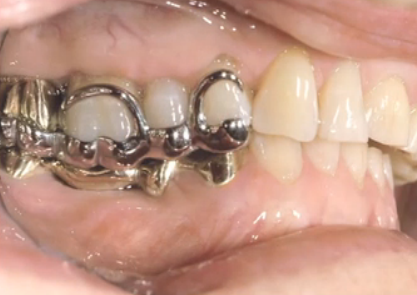
To pick up where I left off in a previous article about tooth wear appliances, a posterior pivot is the opposite of an anterior bite plane; this appliance only has occlusion on the posterior teeth and displays no anterior occlusion whatsoever. The concept of a posterior pivot is about supporting the jaw joint during clenching and translation in patients with symptomatic temporomandibular joints. This appliance is commonly named the “Gelb appliance” after Harold Gelb, who used this appliance to treat joint pain in his patients.
Conceptually, the goal of this appliance is to keep the posterior teeth in occlusion at all times to reduce joint loading, both in clenching and excursions. In other words, the appliance is used to prevent any posterior disclusion from anterior tooth contact.
The challenge of this appliance design is that it has the potential to increase muscle activity in both clenching and excursions. In addition, if you have a patient who’s grinding their teeth, their molars are receiving seven to nine times more bite force than the anterior teeth. Placing an appliance that has only posterior occlusion will now place all the force on the posterior teeth — especially high on the molars with the potential for damage to the teeth opposing the appliance.
Besides the risk of excessive muscle activity and high posterior bite forces, there are additional risks to a posterior-only appliance — the eruption of the nonoccluding anterior teeth or intrusion of the posterior teeth, resulting in a posterior open bite — the exact opposite risks of an anterior bite plane.
Having described the risks, these appliances have been effective for patients with significant joint pain at making them more comfortable. The challenge is that because they’re more comfortable, patients wear the appliance 24 hours a day and invariably get eruption of the anteriors or intrusion of the posteriors or both.
A safer design is to use a full-coverage appliance with occlusal contact on all the teeth in clenching, and built-in posterior interferences, minimal anterior contact, in excursions. Soft full-coverage appliances with no anterior guidance can fill this role nicely in some patients.
SPEAR NAVIGATOR
Transform how your practice runs by engaging the team through
coaching and training
A guided path to excellence through structured coaching and self-guided resources that will align your team, streamline processes and drive growth. Transform your practice by implementing Spear’s proven playbooks for developing and retaining a high-performing dental team.

By: Frank Spear
Date: August 14, 2012
Featured Digest articles
Insights and advice from Spear Faculty and industry experts