- Article
- DSOs
DSO Growth Strategy: The Future is Bright, But Value Levers are Changing
Vishal Sharma
•
August 13, 2026
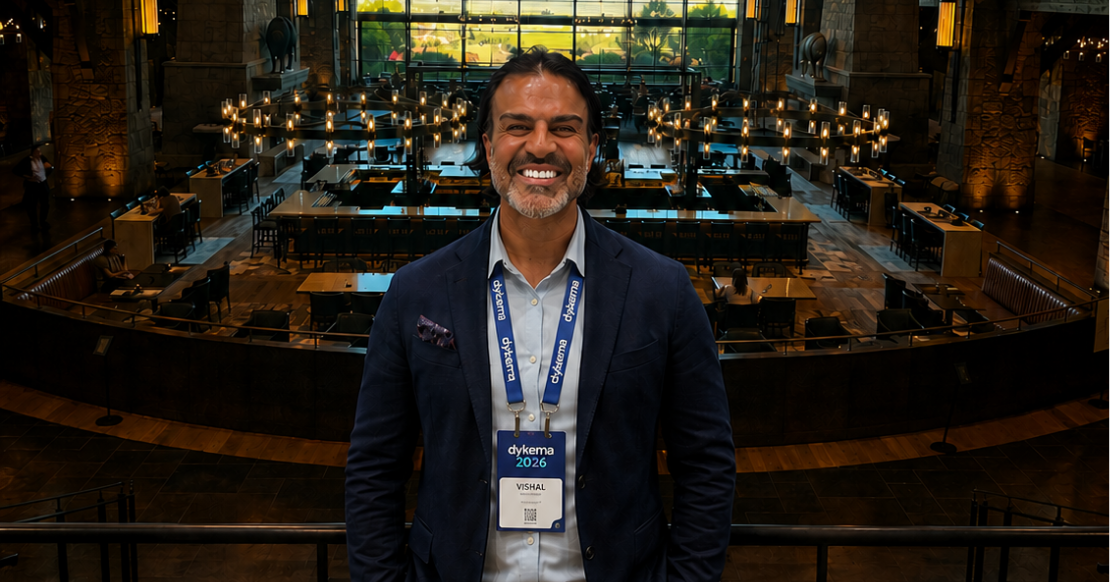
A few weeks ago, I attended the Dykema conference, and I’m still processing everything I heard. It was a hive of business energy unlike anything I’ve experienced. Since then, I’ve met with several chief clinical officers who echoed the same challenges and opportunities. As growth becomes harder to find, a clear question kept surfacing: how do you build a DSO growth strategy that scales sustainably, without burning out your people or your balance sheet?
Here’s how I see the opportunity ahead, based on these conversations and my own experience as a DSO leader, practicing dentist, and educator.
Why education is now central to DSO growth strategy
The era of rapid clinic acquisition as a growth strategy appears to be behind us, at least for now. What replaced it is a sharper focus on same-store growth: getting more out of the practices and people already in the fold.
This shift is part of a broader pattern in clinical growth in DSOs, where organizations are learning that sustainable growth now depends more on developing existing talent than acquiring new locations.
Almost universally, DSO leaders told me that structured, methodical education is how they intend to get there. That’s a meaningful shift. Education used to be treated as a retention perk or a compliance checkbox. Today, it’s discussed as a growth strategy in its own right, with a direct line to production numbers and associate tenure.
Why the curated education experiment isn’t working
One pattern came up in nearly every conversation. Sophisticated DSOs have already tried building their own curated education stacks, leaning on equipment manufacturers for standalone content or tasking an internal team member with stitching together a curriculum from multiple sources. Without exception, the leaders I spoke with said the results fell short.
The complaint was rarely about content quality. It was about coherence, accountability, and follow-through. A pieced-together program doesn’t have anyone responsible for outcomes. This is a real opening for education partners who can offer an integrated system, not just a course catalog.
This is exactly the gap Spear’s DSO Associate Foundations program is built to close: a connected curriculum with clear ownership of outcomes, not a patchwork of standalone content.
How are the economics and timelines for DSO growth strategy shifting?
Debt financing is the binding constraint for most DSOs right now, which makes same-store growth even more important. Education spend needs to show up as a predictable line item, a monthly cost allocated to the practice P&L, not a lump-sum bet.
On timelines, one insight stood out. Almost no one believes a six-month program qualifies as a real DSO growth strategy anymore. Most conversations gravitated toward a 12-month horizon. But leaders still expect visible, early movement well before that point. The expectation isn’t “wait a year for results.” It’s “show me something is working in month one, and let the full transformation play out over the year.”
That expectation puts real pressure on clinical leadership to translate strategy into early, visible results, which is exactly the challenge the program below addresses.
What do associates actually want to learn?
Ranked roughly by demand:
- Crown preparation
- Treatment planning
- Communication and leadership
- Endodontics
- Extractions and socket preservation
Simple restorative barely came up, which was a surprise given how often it’s assumed to be a foundational need.
There’s also been a philosophical shift on a harder topic. DSOs are now largely comfortable acknowledging that not every associate is worth continued investment. A few years ago, that would have been a controversial thing to say out loud. Today, leaders want tools that help them identify low performers quickly, not to be punitive, but because the cost of propping up someone who won’t improve is now well understood.
Where does repetition and feedback fit into a DSO growth strategy?
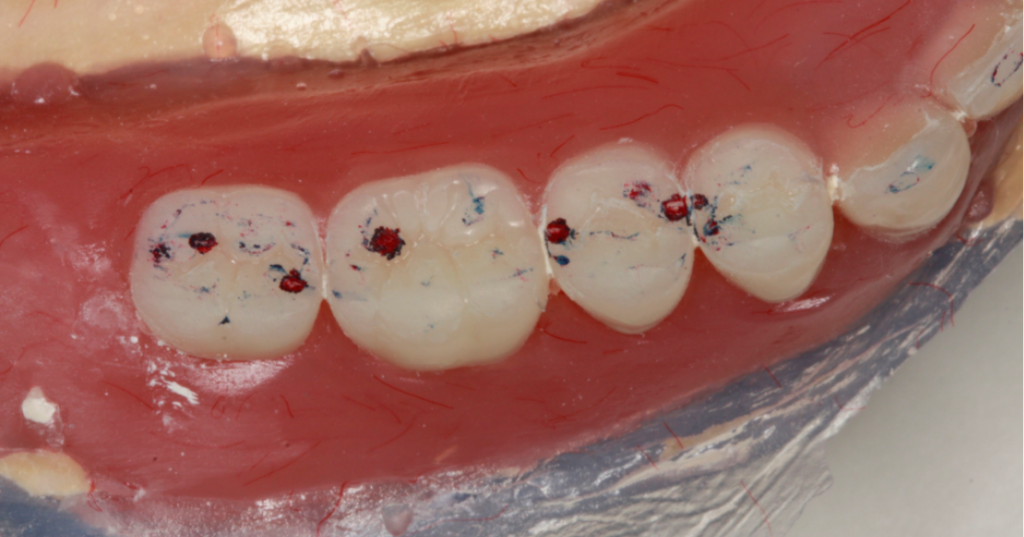
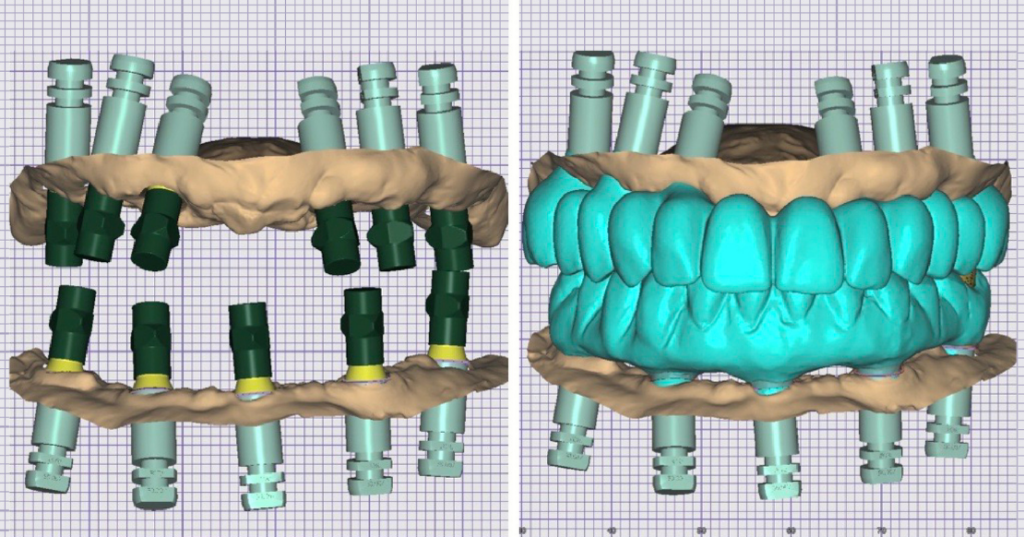
Every DSO I spoke with is looking for ways to give associates more repetition on foundational procedures, especially crown prep, outside of live patient care. There’s no strong consensus yet on synchronous versus asynchronous formats, but the more I listened, the more convinced I became that the answer is both.
Technology-assisted feedback, where a learner receives a response almost immediately after each attempt rather than waiting for a mentor’s schedule to open up, is clearly where the market is heading. Expect this to become table stakes within a couple of years, not a differentiator.
Does in-person training still matter?
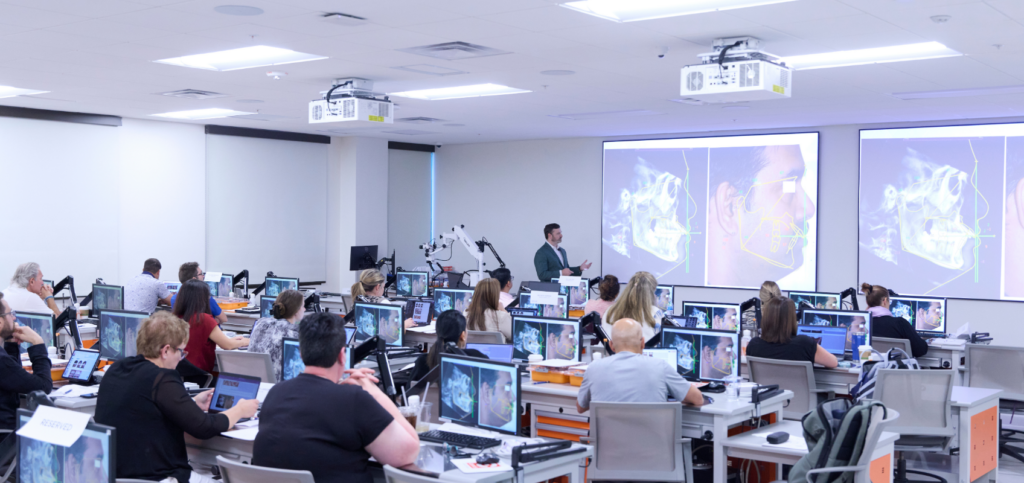
Travel to attend in-person training was described as an inconvenience, but far from a dealbreaker. In-person education now works best as one component of a larger, blended experience, not the whole program.
There’s a real opportunity in expanding physical training hubs to reduce travel friction, though interest in bringing courses directly to a DSO’s home base was lower than expected. The limiting factor is scale. Very few organizations have enough eligible doctors concentrated in one city to justify it.
Who should own tracking and accountability?
Most DSOs, even sophisticated ones, don’t have the infrastructure to track associate engagement and pathway completion themselves, and most don’t want to build it. They’d strongly prefer that responsibility sit with their education partner.
This came up as one of the most consistent shortcomings of the assemble-it-yourself approach to curriculum. Any partner who can own tracking well has a real advantage in the DSO growth strategy conversation in the future.
Why execution support matters more than content alone
A quieter theme, but a significant one: DSOs increasingly want their education partner to help clinical leadership execute on strategy, not just deliver a course catalog. That’s a bigger ask than most education providers are built for, but it also points to where real value is likely to concentrate over the next few years.
Spear’s approach to DSO partnerships reflects this shift, pairing curriculum with dedicated support to help clinical leadership execute, not just deliver courses.
Why no two DSOs want the same thing
If there’s one thing worth internalizing, it’s this: DSOs share common pain points, but their actual educational needs vary widely. Some want a narrow focus on treatment planning and crown efficiency. Others want a full build-out across endodontics, extractions, and whole-office training.
Interest in study clubs was strong among larger organizations. In contrast, interest in more advanced clinical tracks was comparatively muted, except among leaders who had personally completed a deeper curriculum. That group became the strongest advocates I met all week. There was also a recurring, practical request to make programs embeddable directly in a DSO’s learning management system, rather than existing as a separate destination.
What this means for your DSO growth strategy
Education is a genuine strategic lever for this industry, not a soft benefit. The organizations that win the next five years will be the ones that treat it that way, with real accountability, real flexibility, and real partnership in execution, not just content delivery.
The DSOs still relying on piecemeal content or a six-month pilot mentality are already behind the leaders I spoke with at Dykema. Waiting another budget cycle to build a real structure means losing ground on same-store growth while competitors lock in their advantage now.
A strong DSO growth strategy depends on a partner who can bring structure, tracking, and follow-through to education, just as Spear approaches DSO Associate Foundations and enterprise-level training. That combination of coherence and accountability is what turns education from a perk into a measurable growth engine.
Frequently Asked Questions
Spear Enterprise
Standardize Clinical Quality Across Every Location
When every doctor ramps up differently, production and clinical consistency vary from practice to practice. Spear provides your organization with structured onboarding and role-based training pathways, so new doctors reach full productivity faster, and every location upholds the same clinical standard.
The result: up to $2,200 per day in increased doctor production.
Featured Digest articles
Insights and advice from Spear Faculty and industry experts