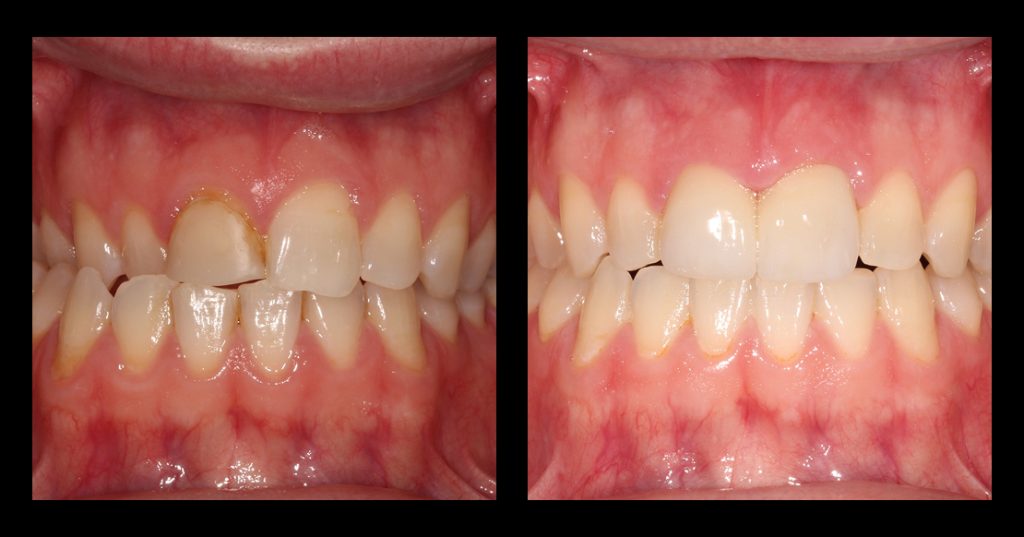
Crown Margin Preparation – Tools of the Trade
Many dentists ask me questions about techniques and procedures in my practice. A frequent question is about tooth preparation: “Hey, Bonk, how do you get good crown margins?”
A great question! And very important, too. There are four primary goals of tooth preparation:
- Create restorations that are esthetically pleasing.
- Improve patient function.
- Maintain structural integrity of the tooth.
- Be biologically acceptable to the tissues.
Tooth preparation is the key to achieving these goals. Proper contouring, smooth surfaces, and rounded and softened corners are important attributes that provide for successful outcomes. But the most critical factor for restoration success and longevity is the margin.
Precision, accuracy, and sharpness are key features to fabrication, maintainability, and predictability over the long term. Margin design is fundamental to the fit of the restoration. Whether the final crown restoration is waxed and pressed or digitally fabricated and milled, the preparation smoothness and the accuracy of the margins will be the determining factor for healthy tissues, good fit, and a pleasing result.
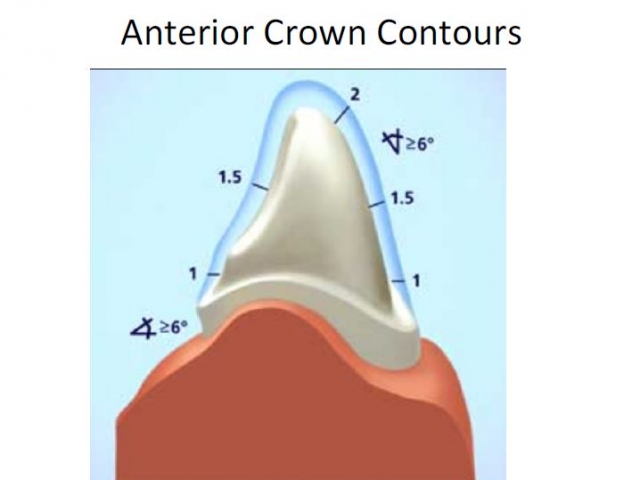
Obtaining good preparation design and contouring is a skill that requires practice and consistency. There are many factors that go into designing a crown that will achieve the desired outcome. In the Restorative Design workshop, we speak of outcome-based design. This concept reflects the idea that we begin the tooth preparation process with a picture or a vision of the outcome. Final shade, material of choice, and proposed crown contours are all determined before we prepare the tooth. The diagnostic wax-up acts as the guide in this outcome-based process. By applying this concept, the tooth can be prepared for the crown of choice that will satisfy all necessary requirements for strength and color.
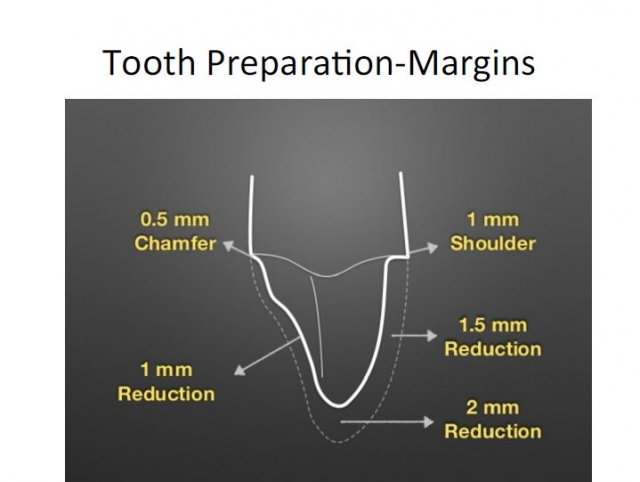
Crown margins are the critical factor in restoration fit. Different designs are necessary depending upon the type of restoration to be fabricated:
- A knife-edge margin may be selected for a gold or metal crown.
- A deep chamfer is required for a metal-ceramic restoration.
- And a rounded shoulder margin is needed for an all-ceramic crown.
The various margin types are necessary for adequate restoration strength and material support. Creating these different margins requires different tools to achieve success. Various high-speed diamond rotary instruments are commonly used for crown preparations. The diamond shape and contour is important for successful margin preparation.
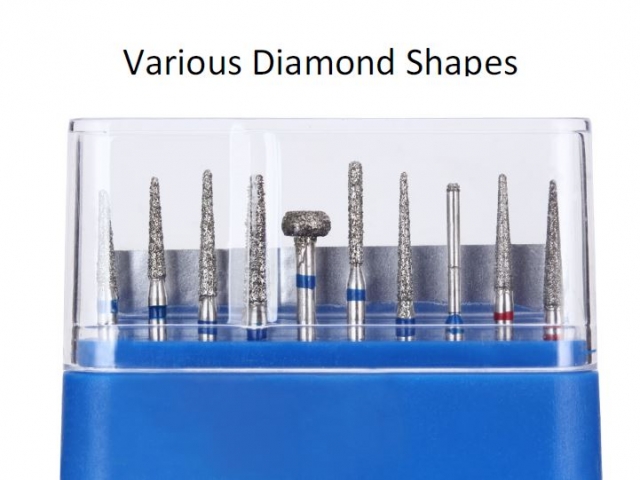
Many different diamonds are available on the market. The shape of each design is developed to create the proper contours necessary for the intended preparation. Various diameters and grits provide aid in the speed and smoothness of the tooth preparation and the margin. If used properly, the end shape will create a shoulder contour and margin depth in a very precise manner.
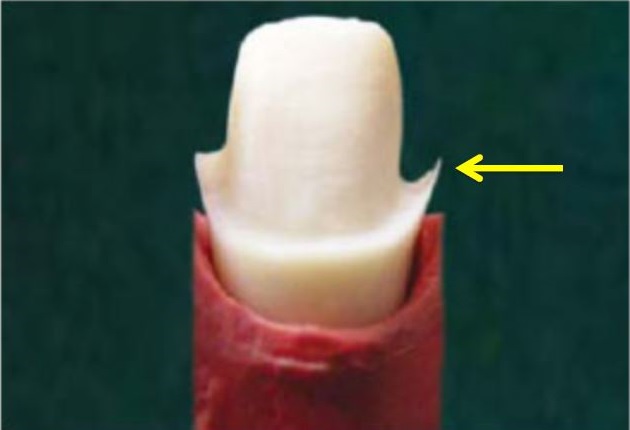
No matter the choice of diamond, the goal is to create a smooth shoulder that can be accurately impressed, conventionally or digitally. One of the most common errors in preparing shoulder margins is the creation of a “J-hook“ finish line. The J-hook is created by overpreparing the tooth with a round-end diamond or carbide. Overpreparation occurred because the diamond was placed beyond the bur radius. The “fin” of tooth structure remaining makes it impossible for fabrication of a closed margin. Ceramic cannot be fired to a thin edge less than 0.3 mm. An open margin will result from this J-hook design.

One solution to the J-hook problem is to use a diamond that has a multiradius end rather than a round end. The ends of the diamonds are designed in such a way so as to reduce the chance of creating a J-hook. The multiradius creates a three-dimensional contour at the end of the bur. Dr. Bob Winter created the burs seen above, which are sold and produced by Brasseler.
A great analogy of round-end diamonds and the J-hook concept is to compare the shape of a cherry and a pear. The cherry is a round-ended fruit. This rounded end mimics the shape of a round-end diamond. The cherry is round in all dimensions. The pear, on the other hand, is multiradius in shape and form — the base of the pear curves up in all dimensions. T

A multiradius diamond has a pear-shaped contour. It is more difficult to have a resultant J-hook fin of tooth structure when using these diamonds. This “fruit of our labor” visual can help us understand the importance of margin preparation and using the diamonds appropriately.

When done correctly, ideal tooth preparation provides even and consistent tooth reduction. The margins are smooth and crisp. The final restoration will be better fitting and provide for long-lasting service to the patient. Both the tools and the concepts are important for successful restorative outcomes.
SPEAR STUDY CLUB
Join a Club and Unite with
Like-Minded Peers
In virtual meetings or in-person, Study Club encourages collaboration on exclusive, real-world cases supported by curriculum from the industry leader in dental CE. Find the club closest to you today!

By: Jeffrey Bonk
Date: June 19, 2018
Featured Digest articles
Insights and advice from Spear Faculty and industry experts