Conflict Management for Dental Practice Team Members
Working in a dental practice requires a high level of teamwork and coordination. Dental team members often work near one another, and each task depends on the one before. Whether it’s a dental hygienist, dental assistant, or administrative staff, every role is crucial in ensuring the practice runs smoothly.
However, workplace conflicts are on the rise — it’s estimated that as many as 85% of workers have experienced some level of conflict at work. With retention low and stress high in dental practice, effective conflict resolution is the difference between a harmonious work environment and one filled with tension and dissatisfaction.

Conflict management strategies for dental practice team members
Conflict is awkward and uncomfortable to handle. No one wants to be the bad guy or get involved in someone else’s disagreements. However, for a dental team to work effectively, managers must be able to resolve these conflicts. Aside from standard recommendations around active listening and open communication, it’s also important to examine what workers think could be improved about conflict management.
In a study conducted by Myers-Briggs, it was revealed that 65% of workers believed their managers could do a better job handling conflict. Specifically, they could:
- Listen more attentively. Workers wanted managers to seek out more information, views, and opinions when managing conflict.
- Be more decisive. Another problem individuals reported was managers’ tendency to try to please everyone or specific individuals at the expense of others.
- Respond quickly. In many cases, addressing the problem earlier could have resolved it before it escalated into a conflict.
- Communicate more regularly. Individuals surveyed also found that managers could communicate about the situation more clearly and consistently.
These individuals also found that managers who employ a “collaborative” conflict resolution strategy saw better results. Individuals who viewed their managers as strong conflict resolvers also reported higher job satisfaction, which leads to retention and practice efficiency.
Proactive personnel management to cut conflict early
In the Myers-Briggs study, addressing conflict early was a key part of managing these issues. In many cases, a manager can easily fix problems before they grow out of control, but the problem is left to fester instead.
Consider a situation where the office manager forgets to order a new supply of dental composite. This oversight can disrupt dental procedures and affect patient satisfaction. More importantly, it can cause tension and conflict within the dental team. The dentists may become frustrated due to the lack of necessary supplies, leading them to snap at the receptionists or dental assistants. This can create a stressful work environment, affecting morale and teamwork.
Conflict is best addressed when it’s small. That’s why tips for addressing it in the workplace stem from practical measures that the team can take to ensure they work together effectively. Here are some tips for managing conflict in your workplace.
Clearly establish roles and responsibilities
In the above example, the office manager assumes responsibility for ordering composite. However, the practice team may play the blame game instead of solving the issue when no one is specifically assigned the task. This highlights the need for distinct role definitions to prevent challenges and foster teamwork. Every worker should have a detailed job description outlining their tasks. Any new assignments should be communicated clearly to them by supervisors, rather than assigned impulsively. This minimizes the risk of oversights that can lead to conflicts later.
Schedule regular check-ins
Not all your workers will feel comfortable bringing up potential conflicts right away. Scheduling regular 1:1s will allow them to discuss issues with their direct supervisor. Larger practices may also benefit from skip-level meetings, which allow employees to speak with their supervisors’ supervisors and share opinions freely. This proactive approach allows for early identification and resolution of issues before they become larger conflicts.
Implement a conflict resolution policy
Establish a straightforward conflict resolution policy that outlines the steps for addressing conflicts within the team. The policy should include precise definitions of what constitutes a conflict, guidelines on reporting issues, and a structured process for resolving disputes. It should also outline roles and responsibilities, specifying who will mediate conflicts and the actions to be taken at each stage of the resolution process. Additionally, the policy should stress the importance of open communication, confidentiality, and respect throughout the conflict resolution process.
Build interpersonal skills into professional development
Implement a comprehensive professional development program for team members, including regular training sessions on interpersonal skills, conflict resolution, and teamwork. Schedule these training sessions quarterly to ensure team members are consistent with skill development and knowledge sharing.
Additionally, consider incorporating workshops, webinars, and guest speakers to provide diverse learning experiences and insights. Encourage team members to actively participate in these training opportunities and apply their newfound knowledge to their daily work. Investing in ongoing professional development can foster a culture of continuous learning, collaboration, and respect within the team.
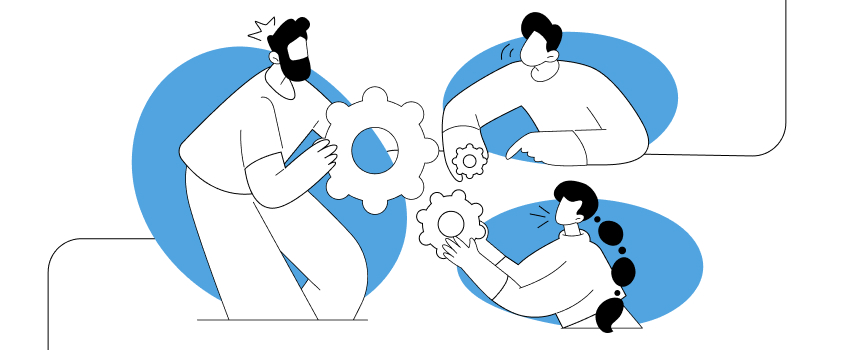
Effective conflict management within a dental practice team is crucial for maintaining a cohesive and productive work environment. Dental team members work closely together, and conflicts can jeopardize the efficiency and quality of patient care. By implementing effective conflict management strategies, such as open communication, active listening, and mediation, teams can address and resolve conflicts constructively.
SPEAR ONLINE
Team Training to Empower Every Role
Spear Online encourages team alignment with role-specific CE video lessons and other resources that enable office managers, assistants and everyone in your practice to understand how they contribute to better patient care.

By: Spear Team
Date: July 2, 2024
Featured Digest articles
Insights and advice from Spear Faculty and industry experts