Chlorine: Why Teeth are Shaking in Their Roots
Most people jump into swimming pools to beat the heat or for a cardio workout. They hardly ever think that they could be causing significant damage to their bodies. However, your patients need to think about more than green hair or stinging eyes – chlorine can also cause dental erosion.
Tooth sensitivity caused by chlorine is very common. Whether you’re swimming at your community pool, the gym or even at your home, improper maintenance can trigger damaging effects on teeth. An article published by NYU “Is your swimming pool safe for your teeth?”, last year suggests that since professional pool cleaning services can cost thousands a year, homeowners have taken it upon themselves to unleash chemicals into their own pools to save money.
The pH balance of chlorinated water needs to be checked at least once a week, which most homeowners aren’t aware of, putting them at risk for rapidly deteriorating enamel. The proper pH level for pool water reads somewhere between 7.2 and 7.8. If you happened to catch our infographic on “Acid Bathing,” you’re aware that the lower the pH level of a liquid, the more acidic and harmful it is to your teeth.
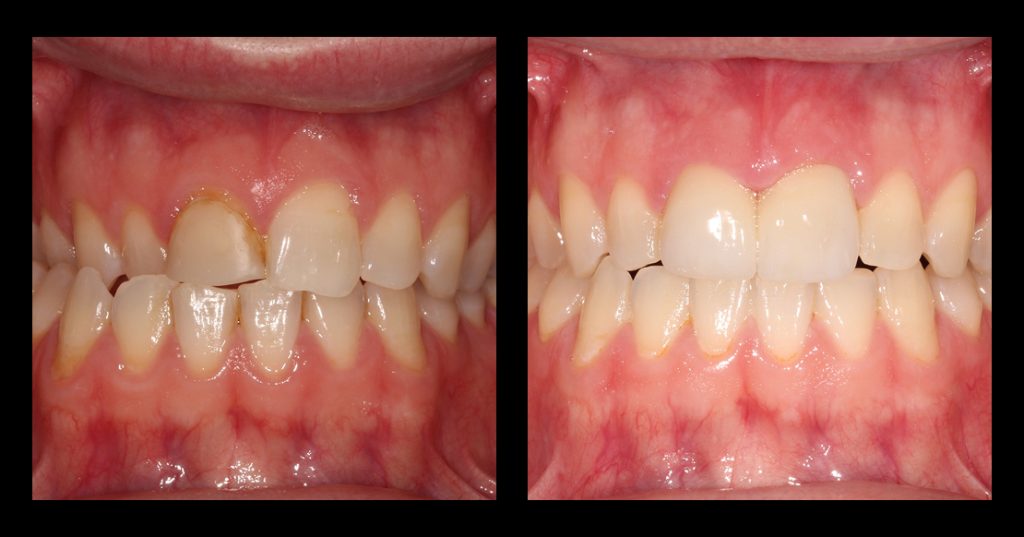
According to an article by The Academy of General Dentistry, swimmers who are in the water for six hours or more per week run the risk of yellow or brown stains forming on their teeth. Antimicrobials found in pool water have a much higher pH than our saliva, which causes the proteins to break down and causes discolored deposits to form.
Whether your patients are avid swimmers or they just like to take a dip every now and then, protecting their teeth from chlorine exposure is important. Prevention can be as simple as informing them to consciously keep their mouths closed while in the pool or suggesting an extra dental appointment at the beginning of summer for a fluoride treatment. On a positive note, the number of pools opting for a non-chlorine solution has skyrocketed and keeps on growing, preventing tooth sensitivity and discoloration as a result of recreational activity.
VIRTUAL SEMINARS
The Campus CE Experience
– Online, Anywhere
Spear Virtual Seminars give you versatility to refine your clinical skills following the same lessons that you would at the Spear Campus in Scottsdale — but from anywhere, as a safe online alternative to large-attendance campus events. Ask an advisor how your practice can take advantage of this new CE option.

By: Denise Prichard
Date: August 1, 2012
Featured Digest articles
Insights and advice from Spear Faculty and industry experts