- Article
The Biggest Dental Lie
Ricardo Mitrani
•
September 26, 2018
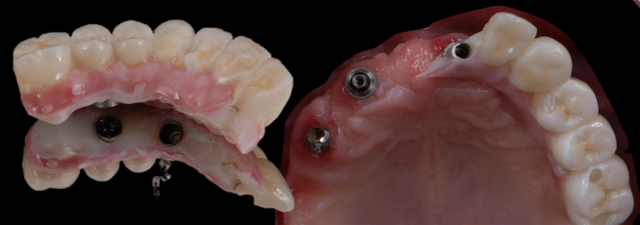
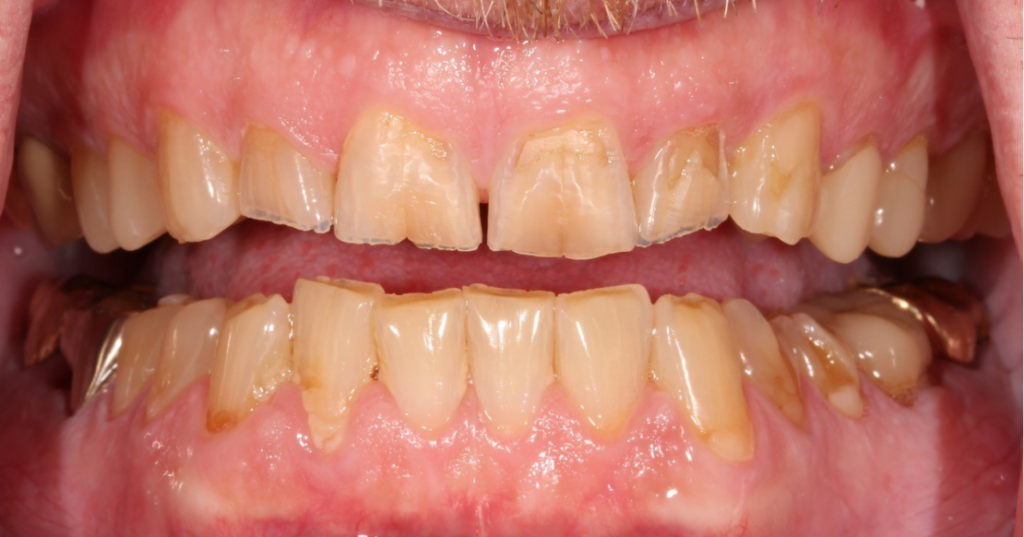
I know, I get it — the title for this piece may be a bit disturbing, but I truly believe what I’m about to discuss fits the bill, so, I needed a statement of such power that you’d feel compelled to read and hopefully reflect upon this.
I am specifically referring to the worldwide generalized patient’s conception that “dental implants and/or implant-supported restorations are forever.”
First, let me say that osseointegrated implants are phenomenal, and I have enjoyed working with them for more than 25 years, but … you know, forever is as “long term as it gets,” and I’ve always thought that if a patient’s natural dentition was lost, how can we for a second believe that something man-made could last forever?
The year is now 2018. We live in the era in which there is an expiration date for almost everything that we purchase, irrespective of the quality and technology applied in the manufacturing.
Now let’s set back the calendar to the mid-1900s. An integral feature of modern design was the so-called “planned obsolescence,” (a term attributed to American industrial designer Brook Stevens) which implied that things were meant to be dated.
Furthermore, 20th-century novelist and philosopher Aldous Huxley pointed out the three pillars that comprised Western prosperity:
- Armament
- Universal debt
- Programmed obsolescence
As we fast-forward to our era, the so-called “digital era,” it is characterized by technology that speeds the turnover of knowledge within our economy and society, which means yesterday’s breakthrough innovations rapidly become tomorrow’s obsolete commodities. And if we are so ready to embrace this idea, is it not too paradoxical to expect that a medical device such as a dental implant would last forever?
By the same token, I believe that it would only be fair to look at the average expected “longevity” for other body-part prosthetic replacements/enhancements.
- Limbs: Average of 3 years.
- Hips: Studies show that more than 80% of all hip replacements across the industry last at least 15 years, and more than 70% last at least 20 years.
- Breast implants: 10 years on average.
- Cochlear implants: 3–5 years on average.
- Eye prosthesis: 10 years on average.
So if it is not suggested anywhere that these prosthetic body parts should last forever, why is it that a large percentage of the population assumes that dental implants should?
Despite a relatively high long-term survival rate, biological and technical complications are frequently encountered, and part of the problem is that as dentists, we sometimes fail to communicate that all potential outcomes are multifactorial.
The intraoral cavity is essentially a “hostile environment,” and we should instruct our patients on its key determinants:
- Biologic risk. Very few parts of the human body have more pathogenous microorganisms living in them than. the oral cavity. More than 700 different strains of bacteria have been detected in the human mouth, though most people are only host to 34–72 different varieties. Most of these bacterial species appear to be harmless when it comes to our health, but we’d be better off without some species because they’re responsible for causing tooth decay and periodontal disease. We also run the risk of having them proliferate when the conditions are appropriate — smoking, diet, medications that may cause decreased salivary flow, poor oral hygiene, etc.
- Thermal cycling. We continually swing from drinking cold to hot beverages, causing the different restorative materials to expand and contract at different rates. This could potentially lead to some degree of degradation of materials and make them more prone to failure.
- Parafunctional risk. This refers to abnormal behavior or functioning of the oral structures and associated muscles and commonly include bruxism, clenching, fingernail biting, etc.
- Lack of patient’s adherence to the dental team’s recommendations.
All these factors contribute, to some degree, to the degradation or failure of restorative components and/or implants.
So, the real question that we should pose here is: Do we “cure” or do we manage patients with implants and implant-supported prostheses?
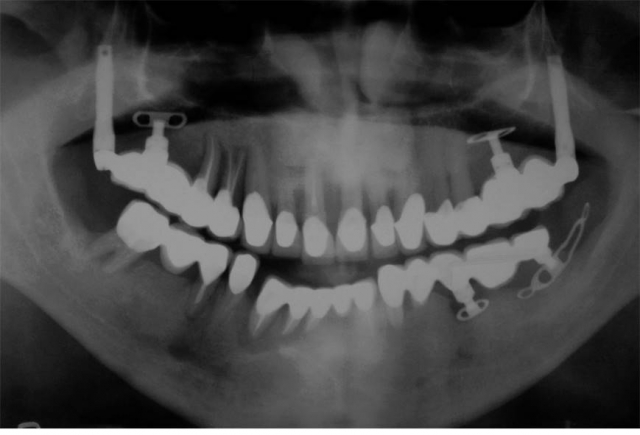
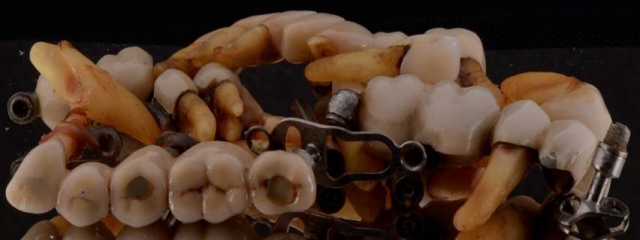
As mentioned, the prognosis is ultimately multifactorial, and therefore the dental team’s narrative should be as clear as possible for the patient to be able to grasp and co-own their responsibility for the potential outcome. Sometimes, it’s hard for a patient who has lived with a fair bit of dental neglect to wake up one day and have a different mindset regarding self-care and a more proactive approach or attitude toward health/wellness, but they should be thoroughly instructed that complications down the road may need to be addressed.
Another important aspect that would help in demystifying the notion of “foreverness” is the fact that life expectancy is also being periodically revisited as breakthroughs in science continue to push it out further and further.
It is also worth taking into account that based on our “speed-of-light” knowledge turnover, the scientific community/implant industry continues to advance significantly. Implant surfaces, design, connection, and prosthetic components have evolved and will continue to evolve. This means that we can only get better and better based on a continual discovery of flaws in the system.

Lastly, as implants and implant-supported prostheses have been shown to have potential complications, there is a growing tendency within the dental community to be more conservative. As obvious as this may sound, the benefit of placing implants has to outweigh the risk of keeping compromised teeth.
SPEAR campus Workshops
Learn Hands-on From Faculty Who Still Practice
A few days at Spear Campus can change how you diagnose, plan, and present cases, not through more lectures, but through hands-on training led by faculty who treat patients every week. Work through real cases in small groups and leave with techniques you can use on your next patient.
Featured Digest articles
Insights and advice from Spear Faculty and industry experts