Stress and Dentistry: How to Reduce and Manage Stress
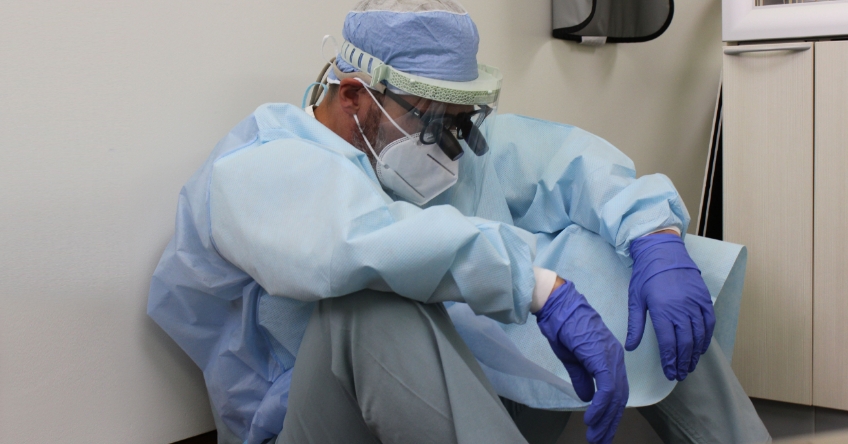
While dental patients can be anxious and stressed and sometimes have phobias, dentists themselves can also be stressed. Stress and dentistry seem to go together. A 2021 ADA study showed that an estimated 16% of dentists experience anxiety. The study also revealed that young dentists are more likely to experience high stress levels.
What causes this stress? What kinds of stress do dentists experience? What de-stressing steps can dentists take to feel relaxed and focused? This article will examine the causes of stress and provide tips to help destress.
Stress and Dentistry: Common Reasons Dentists Have Stress
Research and surveys show that dentistry can be one of the most stressful occupations. The demands you face daily can boost stress levels. Here are some of the various causes of stress:
- Professional Isolation: Dentists spend much of their day indoors. Besides their dental assistant, a dentist often works alone during the day. This situation can cause a sense of isolation.
- Time Pressure: The demands of dental appointment schedules can cause constant stress on dentists. A recent report on physician wait times showed that 87% of dentists had wait times of 20 minutes or less. The report also showed that patients waiting over 20 minutes often left the clinic dissatisfied.
- Economic Pressure: Dentists often work overtime and take long-overdue vacations, which can cause them to experience physical exhaustion. Sleep and mood are connected. According to Harvard University, not getting enough sleep can cause people to become stressed and irritable.
- Perfectionism: Many people seek dental work for the “perfect smile.” Meanwhile, some of the personality traits, such as this perfectionism, which make a good dentist, can also lead to depression or addiction.
Factors like focus are essential for a dentist’s work. However, stress can negatively affect a person’s ability to focus.
Calming Techniques for Stress
Stress among dentists can trigger physical and mental effects. Dentists can reduce stress by addressing various aspects of the health condition using psychological, physiological, and physical calming techniques.
Psychological Calming
Coping with stress effectively requires you to recognize the source of stress. For example, suppose a patient is experiencing anxiety about a dental procedure. Determining why the patient is worried can help prevent a stressful situation.
Experts like lowenberglituchykantor.com can also provide information to customers through patient education. Learning more about dental procedures and facility background can help reduce a patient’s anxiety and reduce stress for the dentist as well.
Learning a new dental procedure can cause you stress. Try getting advice from experienced colleagues or viewing the process differently. These steps can help reduce your mental stress.
Physiological Calming
Did you know an adult’s normal breathing rate averages 8 to 16 breaths per minute? If you’re in a stressful situation, focusing on every breath you take is critical.
Follow these steps:
- Use your stomach, not your chest
- Take slow and deep breaths
- Relax any tense body parts
These steps can help the body relax, allowing the heart to set a normal rhythm. Hence, your stress can decrease. Reducing your heart rate is crucial in stressful situations because of the hormone adrenaline. A stressful situation can cause your heart rate to increase and your blood pressure to rise. These processes are part of the body’s “fight or flight” response.
Physical Calming
The most vital steps to take when observing stress signs include resting and relaxing. For example, take a short break between patients to destress. If you are hungry, have a snack before your next dental procedure. Take the time to “decompress” when needed.

Four More Ways Dentists Can Reduce Stress
Dentists can take several steps to help reduce stress levels, including:
1. Exercise Regularly
Doing a workout can help reduce stress levels. Exercise boosts the levels of so-called “feel-good” hormones like endorphins and serotonins. You can then be more energized and focused.
2. Talk to Someone
Avoid dealing with stress alone. Discuss your situation with a psychologist, colleague, or friend. This essential step can help relieve some pressure you are experiencing and give you a fresh perspective.
3. Care for Your Body Properly
Treat your body better by eating a healthy and well-balanced diet with lean protein, whole grains, fruits, and veggies.
Set aside time for yourself every day. The “me time” can be in the morning, afternoon, or evening. Try these options:
- Do yoga or meditation
- Write in a journal
- Read a book
- Take a walk outside
4. Set Clear Work-Home Boundaries
When you can, leave your work life altogether when you walk out of the dental clinic. Avoid checking your phone or reading email for at least a few hours daily after work.
Stress and dentistry do not have to be so closely intertwined. Now that you have techniques to deal with stress, start small by trying one of the tips in this article for a few minutes each day. Hopefully, by taking that first step, you will begin to build a process for managing stress more effectively.
SPEAR NAVIGATOR
Transform how your practice runs by engaging the team through
coaching and training
A guided path to excellence through structured coaching and self-guided resources that will align your team, streamline processes and drive growth. Transform your practice by implementing Spear’s proven playbooks for developing and retaining a high-performing dental team.

By: Casey Bloom
Date: November 3, 2022
Featured Digest articles
Insights and advice from Spear Faculty and industry experts