- Article
Recommendations for Monolithic Translucent Zirconia Restorations
Robert Winter
•
June 21, 2016
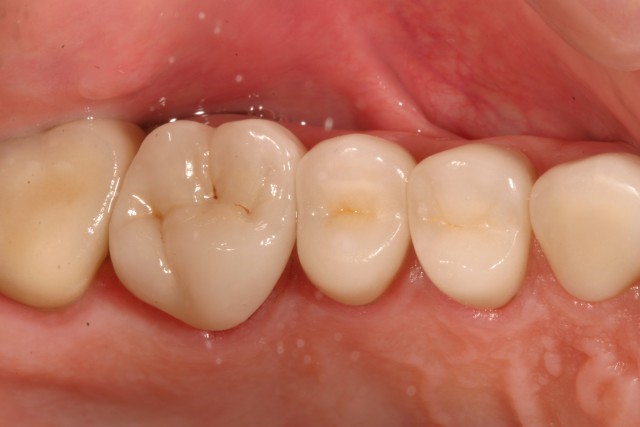
The newest material currently available for anterior and posterior crown restorations is monolithic translucent zirconia. Most companies that have a zirconia product line are including a translucent zirconia option.
Introduced approximately seven years ago for posterior monolithic crowns, zirconia had a slight increase in translucency, compared with the traditional high-strength zirconia used for crown and bridge frameworks. The increased translucency made the crowns slightly more esthetic, but it was challenging for laboratories to create consistent esthetic outcomes. The flexural strength for these zirconias ranges from 1,000–1,400, and these products are still used today.
The newest translucent zirconias are certainly more translucent than the original monolithic crown materials, but the flexural strength has decreased and now ranges from 500 to 800 MPa. The translucency is highly variable based on manufacturer formulation, production process, and laboratory sintering times and temperatures.
The preparation design and ultimate thickness of zirconia depends on which flexural strength material your laboratory uses and the manufacturer recommendation for minimal thickness of the zirconia for restorations varies significantly.
The recommendations for preparation design and material thickness for posterior crowns with high-strength zirconia are:
- “Feather edge” to 0.3 mm at the gingival margin
- 0.5–1 mm for axial walls, cusp tips, and the central groove
The preparation and material recommendations for posterior crowns made with lower flexural strength (500–800 MPa) zirconia are:
- 0.8–1 mm in the gingival third
- 1.2–1.5 mm for axial walls, cusp tips, and the central groove
For anterior full coverage crowns, the manufacturer preparation and material recommendations for the lower flexural strength (500–800 MPa) zirconia are:
- 0.8–1 mm in the gingival third
- 1–1.2 mm in the incisal third
- 1.2 mm palatal
As a comparison, the minimum preparation and material recommendations for Ivoclar’s e.max Press or CAD lithium disilicate are:
- Posterior crowns
- 1 mm in the gingival third
- 1.5 mm for axial walls, cusp tips and the central groove
- Anterior crowns
- 1 mm in the gingival third
- 1.2–1.5 mm in the incisal third
- 1.2 mm palatal
I always recommend to clinicians that they must know exactly what material their laboratory is using for their restorations and follow the manufacturer’s recommendations for preparation design and material thickness to have predictable esthetic and long-term outcomes. Always keep in mind that the thinner the zirconia restoration, the weaker it will be and it will become more translucent. Increased translucency can be a benefit or a complication, depending on the esthetic appearance of the prepared tooth.
VIRTUAL SEMINARS
Get Live Training Without Leaving Your Practice
Traveling for CE means blocking out days you don’t have. Spear’s virtual seminars bring live, faculty-led training straight to your office, so you can learn from home or between patients and apply what you learned right away.
Featured Digest articles
Insights and advice from Spear Faculty and industry experts