- Article
- Techniques / Materials
Why Do e.max Crowns Fracture?
Robert Winter
•
December 18, 2015
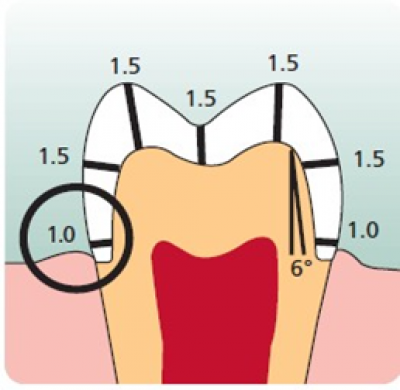
When I train dental technicians around the world, they state that they have a small percentage of e.max crowns that fracture. It’s rare, but e.max crowns can fracture at the time of try-in or during adjustment of the occlusion. The most common reason for the ceramic to fracture is inadequate material thickness.
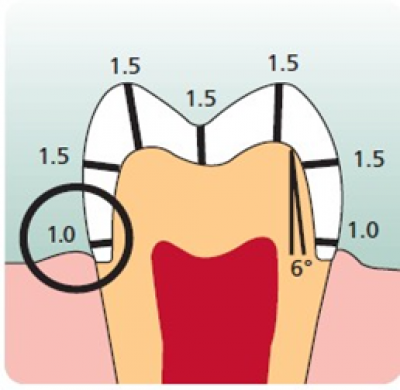
The manufacturers’ stated strength of any ceramic material is totally dependent on the thickness of the material and the preparation design. Manufacturers recommend very specific tooth preparation requirements for their materials to guarantee maximum strength and predictable longevity. Needless to say, anything less than following these recommendations will result in a weaker final restoration. Ivoclar’s recommended tooth reductions for e.max posterior crowns are:
- At least 1.0 mm deep flat shoulder margin. Chamfer or feather-edge finish lines are contraindicated.
- At least 1.5 mm occlusal reduction for cusp tips and the central groove.
- 1.5 mm on the axial walls circumferentially in the occlusal third.
SPEAR Membership
Try Spear Free For 7 Days
See what a Spear Membership can do for you and your team before you decide. A free 7-day trial gives you full access to Spear Online’s clinical CE courses and practice team training, so you can find the membership level that fits your practice.
Featured Digest articles
Insights and advice from Spear Faculty and industry experts