- Article
- Techniques / Materials
Flash Systems for Dental Photography
Andy Janiga
•
April 18, 2024
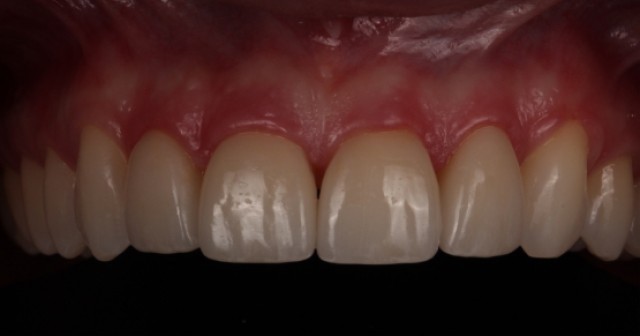
In my previous article introducing dental photography, I explained why a flash system is required to perform this process effectively. A flash system provides the essential illumination needed to obtain a detailed photo.
Flash systems have both manual and automatic settings to determine the amount of light emitted. Manual flash settings can be challenging to set up and are not recommended for routine dental photography. A through-the-lens setting is typically considered the most appropriate flash setting for dental photography. This is commonly abbreviated as “TTL” or “ETTL” on the camera’s flash system. Through-the-lens flash photography auto-adjusts the amount of light emitted by the flash to reduce the risk of underexposing or overexposing an image.
3 common flash systems in dental photography
For clinical dental photography, the three most common flash systems utilized are the ring flash, dual flash, and softbox systems.
Ring flash system
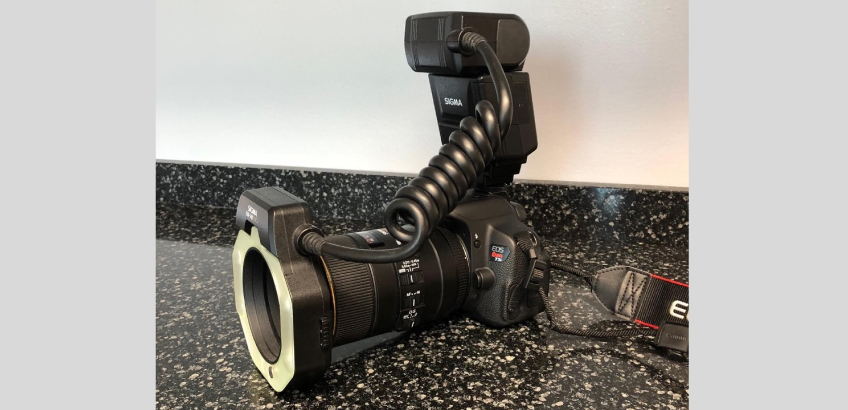
A ring flash is the simplest type of flash system to use for clinical dental photography. This device is placed on the front of the lens and projects light into the oral cavity. An adapter is usually required to attach the ring flash to the front of the lens.
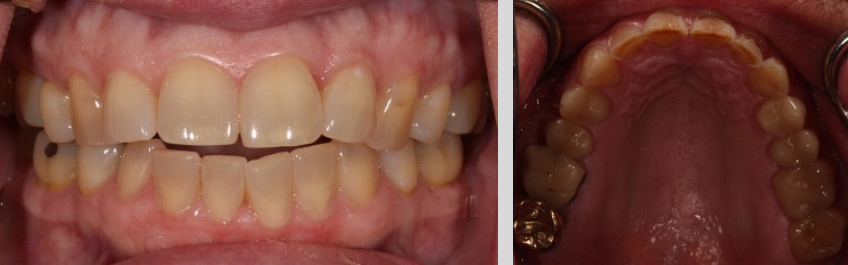
Because of the design of the ring flash, minimal shadowing will occur when using this flash system. This is beneficial for illuminating the oral cavity. However, there are times when shadowing is beneficial because it can help with determining tooth contours. Using a ring flash will prevent this information from being well-defined when the image is captured.
Dual-flash system
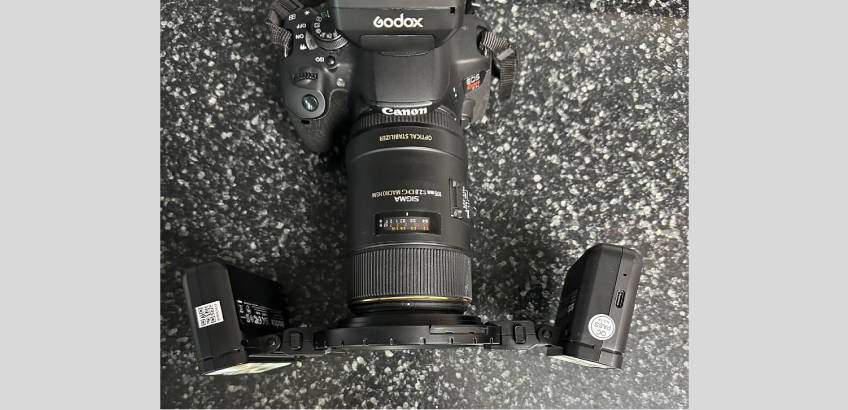
A dual-flash system consists of two flash components positioned on either side of the lens. This system gives the photographer more control over the direction in which light is emitted.
Because of the positioning of the flash in a dual-flash system, more shadowing can occur, compared with a ring flash system. This helps to reveal the contours of teeth much better and can be highly beneficial when photographing anterior teeth. However, using a dual-flash system can be challenging when taking mirror shots, because there’s a greater risk of underexposing a mirror shot.
Softbox system
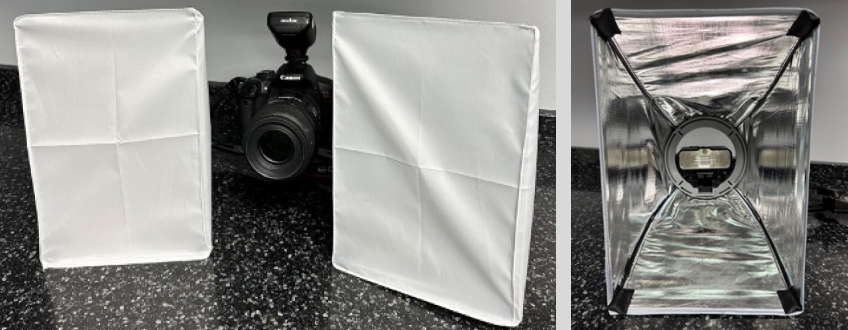
A third commonly used flash system is a softbox system. This system uses two distinct flash components mounted on either side of the camera. Each flash component is in a reflective-coated box with a white diffuser covering.
When the flash is triggered, light will bounce off the reflective coating inside the softbox and be projected through the white diffuser covering. This mechanism of action diffuses the light and softens the intensity with which the light hits the subject being photographed. In doing so, a softbox will minimize the risk of the flash from causing a harsh reflection on the teeth. Because less reflection of light occurs, softboxes are commonly used for more esthetic dental photography.
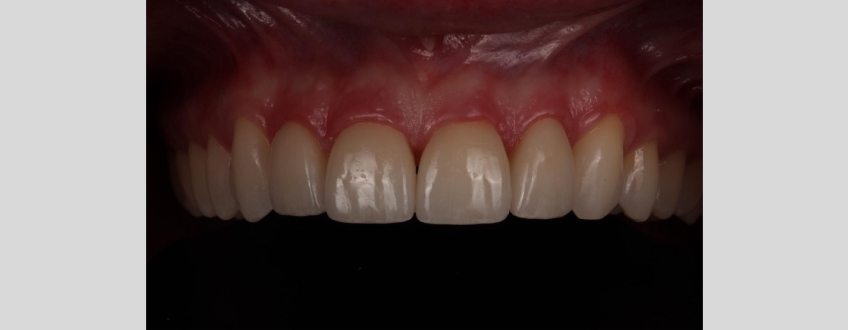
Choosing the right flash system for your needs
Each flash system offers unique advantages and limitations in dental photography. Novice photographers may find the simplicity of a ring flash appealing, because it can yield satisfactory results for basic dental photography needs. Conversely, experienced photographers prefer dual-flash and softbox systems for their ability to capture well-defined images with enhanced detail, particularly regarding tooth contours, resulting in aesthetically pleasing photographs.
Advanced photographers often opt for dual-flash or softbox setups to achieve superior control over lighting, enabling them to effectively mitigate harsh shadows and highlight intricate dental features. While ring flashes provide straightforward illumination, they may lack the nuanced lighting control necessary for capturing highly detailed dental images desired in advanced clinical or esthetic dentistry settings. Ultimately, the choice of flash system depends on the photographer’s skill level, specific photographic requirements, and desired esthetic outcomes.
SPEAR Membership
Try Spear Free For 7 Days
See what a Spear Membership can do for you and your team before you decide. A free 7-day trial gives you full access to Spear Online’s clinical CE courses and practice team training, so you can find the membership level that fits your practice.
Featured Digest articles
Insights and advice from Spear Faculty and industry experts