- Article
- Techniques / Materials
Steps in Cross-Mounting a Case
Robert Winter
•
December 12, 2012
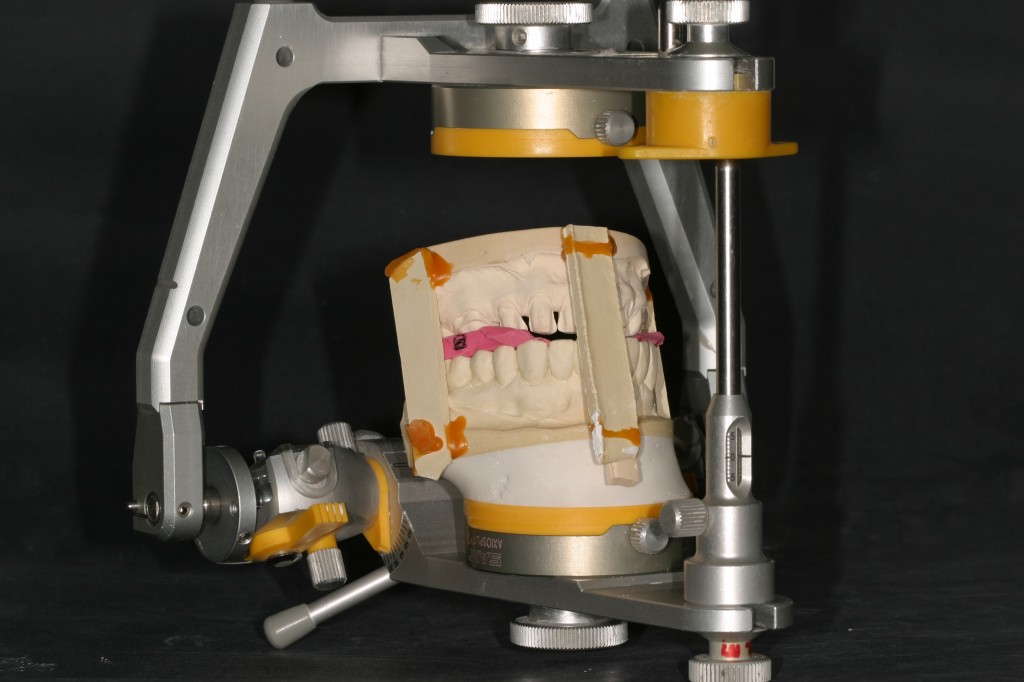
If you’re interested in understanding the process the lab uses to cross-mount a case or are cross-mounting your own cases and want to avoid potentially introducing error into the procedure, I suggest you complete the steps in the following order. Doing so increases the predictability that the esthetics and function of the case will meet with your and your patient’s expectations.
- Using the facebow, mount the patient-approved provisional case.
- Mount the opposing mandibular cast (natural dentition or a cast of the provisionals).
- Once the mandibular cast is mounted, then mount the cast of the maxillary preparations with a bite registration to the mandibular teeth or provisionals, again at the vertical dimension of occlusion.
- Mount the cast of the mandibular prepared teeth to the cast of the maxillary provisionals.
- When taking the bite registration in an extensive case, the maxillary and mandibular anterior provisionals are left cemented to establish the vertical dimension of occlusion and establish the anterior stop. This bite is now used to mount the cast of the maxillary prepared teeth.
This completes the steps involved in the cross-mounting of casts. Remember, this process helps the lab verify the information sent from the doctor’s office and increases the likelihood that the cementation process is smooth and uneventful.
SPEAR Membership
Try Spear Free For 7 Days
See what a Spear Membership can do for you and your team before you decide. A free 7-day trial gives you full access to Spear Online’s clinical CE courses and practice team training, so you can find the membership level that fits your practice.
Featured Digest articles
Insights and advice from Spear Faculty and industry experts