- Article
- Practice Management
Handling Issues With Retention for GPs
Cheryl DeWood
•
October 10, 2014
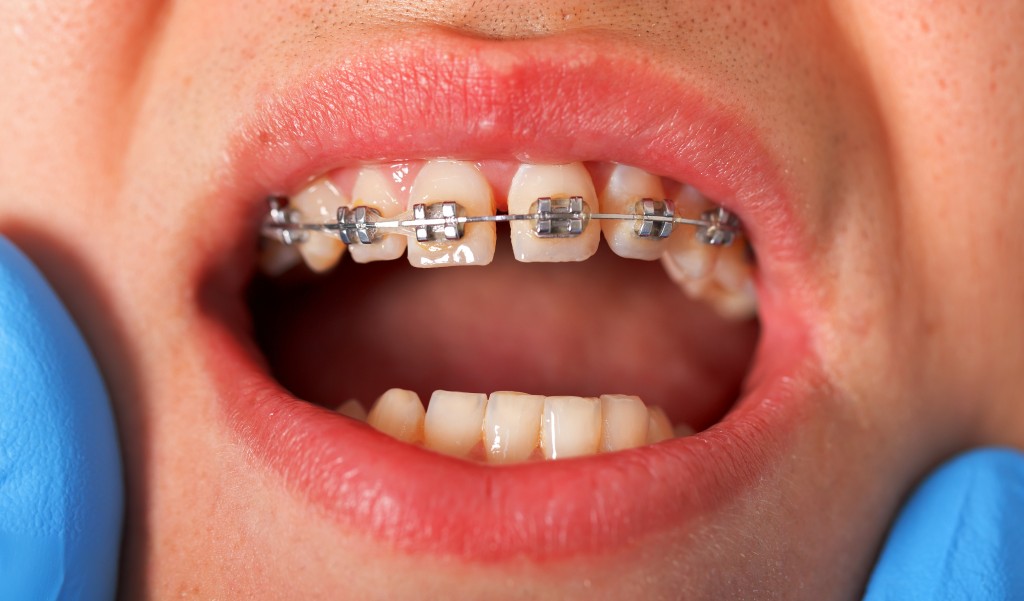
How is the GP relationship with orthodontists different from other GP/specialist relationships, and what does this have to do with how GPs handle issues with retention?
Orthodontists are less referral-dependent
The American Association of Orthodontists and many if not most individual orthodontists spend significant resources marketing directly to patients. Their patients are more likely to be self-referred than those in any other specialty, and when patients self-refer, communication between orthodontist and GP is likely to be perfunctory rather than collaborative, if it exists at all. In fact, it’s not uncommon for orthodontic patients to report they don’t have a regular dentist.
When an orthodontic patient is self-referred or undergoes treatment when they have no regular dentist, by definition the GP has no relationship with the treating orthodontist, meaning that there’s been no protocol established around how to handle posttreatment problems.
Orthodontics is less integrated into general dentistry disciplines
Orthodontics is the oldest of the dental specialties, and has been a specialty for more than 100 years. Legend has it that Edward Angle, “the father of orthodontics,” was disappointed in his efforts to have orthodontics classified as a medical specialty.
From the beginning, orthodontic treatment was considered to be largely separate and essentially unrelated to general dental treatment; all that was required was that the patient had a dentition that was healthy and intact. In keeping with this tradition, when a patient is finished with orthodontic treatment, the orthodontist is finished with the patient. No other specialty requires lifelong compliance with posttreatment recommendations without, for the most part, offering patients help or supervision.
GPs typically know less about orthodontics than other specialties
Some people may take offence at this pronouncement, and I’m quick to say that it’s my personal opinion. However, I think most dentists will agree what they learned about ortho in dental school was paltry at best. Further, the options open to general dentists to supplement what they know about ortho through CE are expensive and time-consuming, with questionable return on investment. This contributes to GP’s reluctance to have anything to do with orthodontic treatment, including anything to do with retention.
SPEAR All access
One Membership, $555 More a Day
Practices on Spear All Access see a median daily production gain of $555, with a 9.9% median lift in hygiene production. That’s not from one course or one workshop. It comes from unlimited Spear and CDOCS workshops, the full online course library, role-based team training, practice analytics, and a dedicated Practice Growth Partner working with your team every month, all in one membership.
Featured Digest articles
Insights and advice from Spear Faculty and industry experts