- Article
- Practice Management
35 Tips For Strengthening Referral Relationships in the Surgical Practice
Celina Jimenez
•
December 19, 2018
- Article
- |
- Practice Management
There are a few overarching keys to dental practice success that can be applied regardless of specialty: strong patient relationships, expert clinical techniques, and a well-trained team, to name a few.
But every specialty has nuanced success factors of its own. For example, a successful surgical practice may require certain information from their patients that a general practitioner does not.
So, what are some major keys to improving and strengthening the surgical practice? Specifically, how can surgical specialists ensure their referral relationships are as strong and efficient as possible?
We asked surgical specialists within the Spear community for their advice and found that a successful, profitable surgical practice is a well-oiled machine that balances the needs of not only the surgical specialist, but their referring doctors, patients and referring offices as well.
Build relationships with the referring office
“We build relationships with not only our referring doctors but, more importantly, the referring offices. This is achieved by taking the time to meet with our referring offices and making the visits personal by talking to them and getting to know each of them individually. Our office manager makes frequent visits to our referring doctors, making herself available to them by extending her personal contact information to them, giving them confidence and trust when referring their patients.” — Dr. Prashanth Ravi
“Explain to your GP’s staff how you’re different from other specialists. Become their friend.” — Dr. Joseph Kim
“Staff-to-staff interactions are instrumental. It’s important for assistants and admin to know the teams of other offices. It’s also important for staff from other practices to know the surgeon. This is best done through a large lecture that has educational content. This allows for better communication. And if there’s a glitch, it can be ironed out easily rather than having to deal with strangers. Also, staff are influential with their patients and can steer the referral in your direction if the patient is given two or three names.” — Dr. Ryaz Ansari
Educate yourself and your referrals
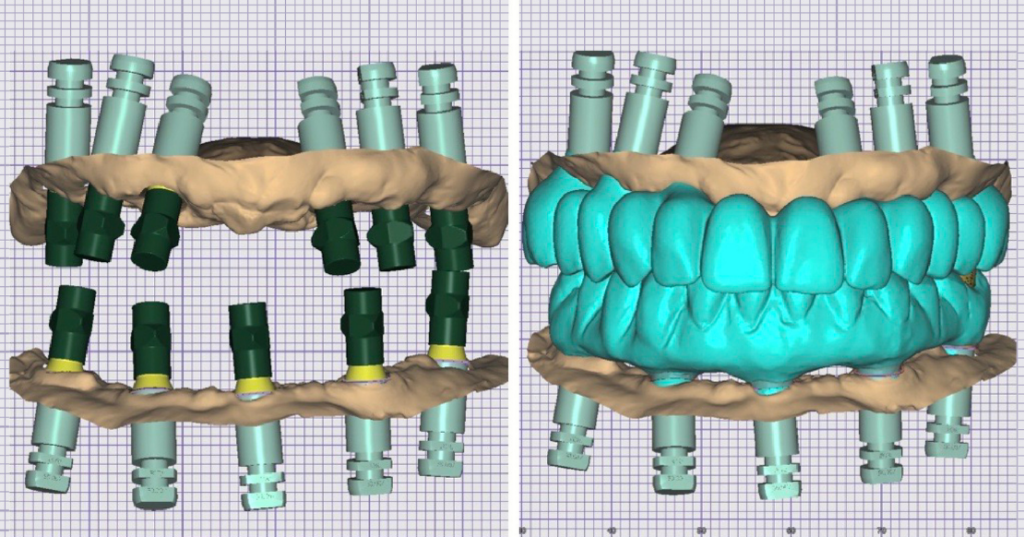
“I find that the best way to develop a referral relationship has been to help the referral grow their business and make their life easier. In addition to Christmas baskets and power lunches, it is important to show the referrer how you’re helping them practice better. This may be by showing new technology that may make their work easier, such as an intraoral scan of the implant that’s sent to the lab to make a final prosthesis, saving the dentist time of taking impressions. Or it may be introducing them to full-arch (all-on-X) type cases they can feel excited about and at the same time grow their practice.” — Dr. Ansari
“Education of referrals is critical, using things like Study Clubs, seminars, case discussions, etc. They see more and understand what is needed to do bigger cases.” — Dr. Eric Reed
“I build relationships with the doctors by spending time with them. We go over cases together. We do lunch-and-learns together. I run study clubs for doctors to attend. I put on conferences and events for continuing education. My purpose as a specialist is to add value to the careers and practices of the other providers in the area.” — Dr. Tim Betita
“Invest in educating yourself and your referrals. Never stop growing. Find ways to educate your referrals and staff in what you do as a specialist and share your values with them.” — Dr. Kim
Maintain clear, consistent communication
“Communication is the foundation to any general dentist-to-provider relationship. It’s a two-way street. I understand that they’re sending their patients to me for specific treatment and I want to deliver exactly what’s desired. This involves the referral communicating what’s desired and my office communicating when and what was done.” — Dr. Curtis Hayes
“Make sure the referring offices call if they ever have any concerns, or if a patient they sent to us had a negative experience, so we can make an effort to make things right.” — Dr. Ravi
“What I need from referring doctors is the same as what referring doctors need from me: good, clear communication. Both doctors work together as a team to provide the best possible outcome for the patient, and that can only be done effectively if we’re all on the same page. Having a clear, unified message from each of the providers is important to all the doctors involved and vital from the patient’s perspective.” — Dr. Betita

“Keep in touch with your referring doctors regularly via text, email, conferencing, PRDs, etc.” — Dr. Reed
“I need a referring doctor to be a communicator — one who communicates expectations to their patients so they arrive prepared, and one who communicates with me as a specialist, letting me know how I can best work with them as a team to provide excellent care for their patients.” — Dr. Benjaman Brown
“Direct contact with the referring provider is necessary — they all have my personal cell phone number and are free to contact me at any time regarding patient care. Also, we make efforts to ensure that my referring doctors’ staff know my staff — not just over the phone. My staff go and visit the referring doctors’ offices on a regular basis so they know us on a more personal level.” — Dr. Hayes
“When a patient is referred to our practice, it’s important that the referring doctor send a referral note specifically detailing the reason the patient has been referred to us, and/or what treatment they’d like us to perform.” — Dr. Ravi
“We need to have the referring doctor be of the same mindset as the specialist so when they communicate options with their patients, they’ll be the same as the specialist. They should avoid communicating the specialist fees, because some procedures might be added or removed, and this might result in a change of the cost quoted by the referring doctor. They should show their trust in the specialist and endorse him/her so that patients have the same feeling about the specialist, because there’s very little interaction time with the specialist in comparison to the referring doctor.” — Dr. Daisy Chemaly
“The best way I’ve found to build these relationships is with consistency. I consistently need to communicate with my referring dentists, and I need to consistently provide care to their patients in a way that they feel they can trust me to care for their patients.” — Dr. Brown
“Send referring doctors prompt reports detailing treatment performed and/ or recommendations for their patients.” — Dr. Ravi
“Send personal notes thanking them for referring their patients.” — Dr. Ravi
Put the patient first
“The most effective ways to establish and maintain a referring relationship are patient care, gratitude and communication.” — Dr. Ravi
“We must be on the same wavelength about good patient care. I want to work with providers who have similar treatment philosophies, both in clinical care and how we treat patients. I think this comes from developing a personal relationship so they know I will take amazing care of their patients.” — Dr. Chemaly
“A referring relationship is most effective when you become their specialist and the patient’s specialist. You become part of an integrated treatment team where opinions and expertise are respected, sought after and valued in all directions.” — Dr. Brown
“Always strive to ensure each patient is treated in a respectful, positive manner. Ensure patients are seen in a timely manner and let the referring doctors know that we’ll make special efforts to accommodate their patients promptly by offering same-day treatment if there’s a need.” — Dr. Ravi
Patient education as key to case acceptance
“I show patients CBCT-based surgical guides and show them how accurate they can be. I explain that when I do all the planning outside of the mouth, it usually makes surgery go by faster with minimal to no complications, which leads to less postoperative discomfort.” — Dr. Kenneth Wong
“Models or photos say a thousand words. I have a model that allows a patient to see what a three-unit bridge is versus a single implant. When they see that good teeth have to be damaged to place a bridge, the decision is made.” — Dr. Wong
“CBCT with implant treatment software can show patients what needs to be done. The technology shows patients why you have to do bone grafting and what the patient’s teeth could look like.” — Dr. Wong
Integrate your office with the referring office

“Developing relationships with orthodontists and endodontists is much more beneficial than single GPs. They can steer referrals to your practice from referrers who may never otherwise refer to you. Also, they have a core group they influence, maybe mutually exclusive from your own referrers. This exposes the surgeon to a greater network.” — Dr. Ansari
“We support them with their patients’ needs and their educational needs for short and long term. You have to be there for them! It doesn’t have to be lunches and dinners; it’s more the support they’re looking for and the good treatment you provide their patients. Their patients have to feel that the specialist’s office is an extension of their referring doctor’s office.” — Dr. Chemaly
The bottom line
“What makes a referring relationship most effective? Trust, communication and professionalism.” — Dr. Chemaly
SPEAR All access
One Membership, $555 More a Day
Practices on Spear All Access see a median daily production gain of $555, with a 9.9% median lift in hygiene production. That’s not from one course or one workshop. It comes from unlimited Spear and CDOCS workshops, the full online course library, role-based team training, practice analytics, and a dedicated Practice Growth Partner working with your team every month, all in one membership.
Featured Digest articles
Insights and advice from Spear Faculty and industry experts