Can Early Exposure to BPA Damage Enamel?
A recent press release suggests that teeth can be affected by bisphenol A (BPA). This is based on the conclusions of work carried out by a research team led by Ariane Berdal of the Université Paris-Diderot and Sylvie Babajko, research director at Inserm Unit 872 Centre des Cordeliers.
The researchers have shown that the teeth of rats treated with low daily doses of BPA could be damaged. Analysis of the damage shows numerous characteristics that are common with a recently identified pathology of tooth enamel that affects roughly 18% of children between the ages of 6 and 8. These results were published in the American Journal of Pathology.
Bisphenol A is a chemical compound used in the composition of plastics and resins, including those used in many food containers such as bottles or babies’ bottles. Recent studies have shown BPA has adverse effects on the reproduction, development, and metabolism of laboratory animals. It is strongly suspected of having the same effects on humans.
As the release states, this effect was observed within a development window of no more than 30 days post-birth in rats, demonstrating a range of sensitivity to exposure.
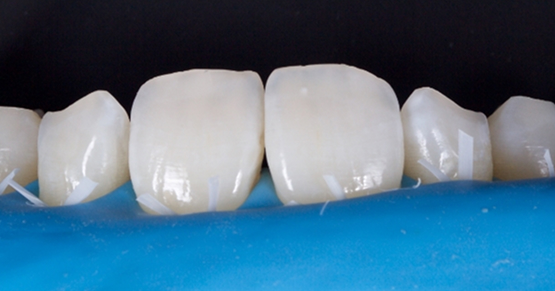
Analysis of the rats’ teeth showed many characteristics common with a tooth enamel pathology known as MIH (molar incisor hypomineralization), which affects first molars and permanent incisors. Children affected by MIH present with teeth that are hypersensitive to pain and liable to cavities. It’s interesting to note that the period during which these teeth are formed — the first years of life — correspond to the period during which humans are most sensitive to bisphenol A.
Among the earliest observations made was the appearance of white marks on the incisors of rats treated with endocrine disruptors, one of which was BPA. The researchers decided to define the characteristics of incisors of rats treated with low doses of BPA and to compare these with those of teeth in humans suffering from MIH.
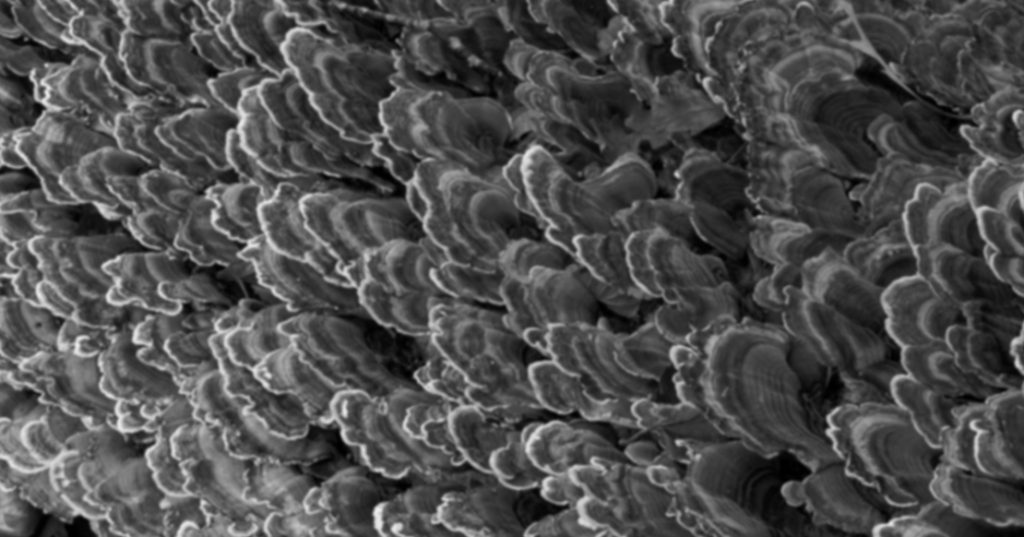
Macroscopic observation of marks on both series of teeth showed similarities, in particular fragile and brittle enamel. Microscopic observation of the enamel showed a significant reduction of the Ca/P and the Ca/C ratios in affected teeth. This leads to mineral depletion, making the teeth more fragile and more liable to cavities.
Finally, analysis of the proteins present in the tooth matrix of rats showed an increased quantity of enamelin, a key protein for enamel formation, and a buildup of albumin leading to hypomineralization. Analysis of the expression of key enamel genes highlighted two BPA target genes: enamelin and kallicrein 4.
According to Babajko, “Insofar as BPA has the same mechanism of action in rats as in men, it could also be a causal agent of MIH.”
SPEAR NAVIGATOR
Transform how your practice runs by engaging the team through
coaching and training
A guided path to excellence through structured coaching and self-guided resources that will align your team, streamline processes and drive growth. Transform your practice by implementing Spear’s proven playbooks for developing and retaining a high-performing dental team.

By: Abigail Pfeiffer
Date: June 18, 2013
Featured Digest articles
Insights and advice from Spear Faculty and industry experts