
- Article
- |
- Case Presentation
Lip Service: How To Evaluate a Crooked Smile
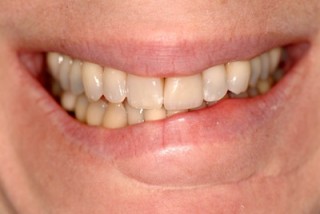
A person’s smile is a work of art. Think about it: The lips function as the frame and the teeth are the picture. As with actual pieces of art, we look for striking features and overall perfection. The same goes for teeth.
In the world of dentistry, there are a number of things that cause smile imperfection. As a dentist, you know that lip symmetry is a major factor in smile perfection, but does your patient?
Most patients will point the finger at their teeth for their crooked smile, but asymmetric lips may actually be the culprit. Lip asymmetry isn’t uncommon. In fact, as much as 30% of people have it. Some patients are born with asymmetric lips; however, there are a number of factors that can cause them:
- Neurologic issues. Certain conditions can cause lip asymmetry and even lip paralysis.
- Trauma. Traumatic avulsion of soft or hard tissue can cause asymmetries.
- Tooth position. Some patients have more prominent teeth on one side, causing asymmetry of the lip.
- Missing teeth. If a patient has one or more teeth missing on one side, the lip will be asymmetric.
It’s important for dentists to communicate lip asymmetry to their patients before treatment because they may not realize they have it and may not be able to recognize the signs. If this issue isn’t brought up in the first place, it can significantly alter a patient’s reaction to the results of the treatment. They may admire their pearly whites but also wonder why their smile still looks “crooked” when they see their reflection.
VIRTUAL SEMINARS
Get Live Training Without Leaving Your Practice
Traveling for CE means blocking out days you don’t have. Spear’s virtual seminars bring live, faculty-led training straight to your office, so you can learn from home or between patients and apply what you learned right away.

By: Steve Ratcliff
Date: May 4, 2012
Featured Digest articles
Insights and advice from Spear Faculty and industry experts