- Article
- Occlusion / Wear
What’s in Your Water? A Look At the pH of Popular Beverages
Imahn Moin
•
December 5, 2018

Like many of you, I have encouraged my patients to wean off sugar-laden carbonated beverages slowly. In a perfect world, everyone would only drink fluoridated water, and that would be it. But in reality, I get it; it’s more fun to drink something with flavor on occasion. I’ll try to encourage people to make more minor substitutions to at least reduce either the cariogenic or erosive component of their beverages, or ideally both: using a sugar alternative, like Stevia, to add sweetness to their coffee or tea, switching to a “diet” version of their preferred soda, or moving to zero-calorie flavored waters. In a previous Spear Digest article, I looked into the acidic nature of many whitening agents. However, recently, I became aware of how acidic some non-carbonated, low-calorie beverages on the market are, sometimes more acidic than certain sodas.

Some studies have indicated that the critical pH of dental enamel is 5.5. The critical pH refers to the pH at which a substance, in this case the hydroxyapatite of enamel, begins to dissolve.1 With less mineral content, the critical pH of dentin is generally thought to be slightly more resistant to acidic exposure (but it has a lower hardness value and is more susceptible to abrasive forces).
It’s also important to remember that these critical pH values are not set in stone and vary depending on the oral environment and the relative presence of calcium and phosphate ions in the saliva.2 The critical pH may rise to as high as 6.5 in individuals with low salivary concentrations of calcium and phosphate and as low as 5.5 in those with high salivary calcium and phosphate concentrations, making it more resistant to erosion.3
Sometimes acid is an intrinsic part of the beverage’s flavor profile. For example, beverages designed to mimic citrus (lemon, orange, grapefruit) will contain citric acid, so it makes sense that they may have a lower pH. However, many other acids are often added as preservatives to improve shelf-life and to impart the tangy-tart flavor that balances sweetness. Phosphoric and malic acids are just two of the most commonly added to beverages. I recently found a study measuring the pH of many popular, commercially available beverages.4 It was pretty enlightening to see these values for many beverages that I wouldn’t associate with being overly acidic, and some that weren’t as acidic as I would’ve thought. I won’t list them all here, but a few that caught my attention were:
- Dasani Water (unflavored ) — 5.03
- Dasani Water (Grape) — 3.05
- Perrier Carbonated Water — 5.25
- Powerade Zero (Mixed Berry) — 2.93
- Vitamin Water Zero ( XXX Acai Blueberry Pomegranate) — 3.05
- Sugar Free Redbull — 3.39
- Crystal Lite (Raspberry Ice) — 2.77
- A&W Diet Rootbeer — 4.57
- Tropicana 100% Orange Juice — 3.80
- Lemon Juice — 2.25
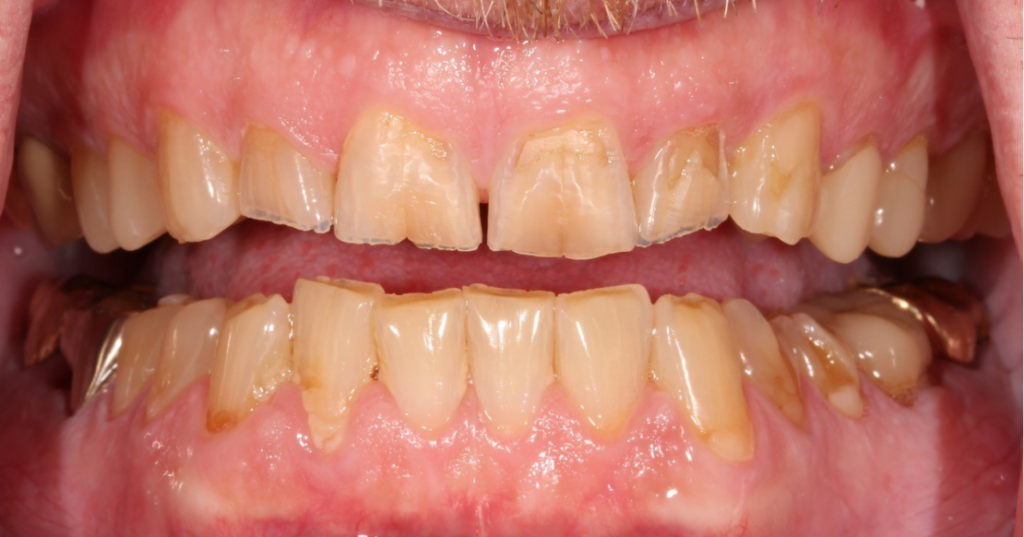
It was eye-opening to see that many of the purported “healthier” alternatives I had been touting and drinking myself, which contained low-to-zero cariogenic sugars and carbonation, were more acidic than some sodas and energy drinks. As with everything, moderation is key. A serving of juice or a flavored water a day probably won’t have severe consequences. Still, I have noticed more and more that some patients are trying to get their daily recommended water intake with flavored alternatives. I recommend that you all look at the study and share it with your patients who may be causing severe harm to their teeth through the beverages they consume.
References
- Barron, R. P., Carmichael, R. P., Marcon, M. A., & Sandor, G. K. (2003). Dental erosion in gastroesophageal reflux disease. Journal (Canadian Dental Association), 69(2), 84-89.
- Dawes, C. (2003). What is the critical pH and why does a tooth dissolve in acid?. Journal-Canadian Dental Association, 69(11), 722-725.
- Ericsson, Y. (1949). Enamel-apatite solubility; Investigations into the calcium phosphate equilibrium between enamel and saliva and its relation to dental caries. Acta Odontologica Scandinavica, 8(3), 1-139.
- Reddy, A., Norris, D. F., Momeni, S. S., Waldo, B., & Ruby, J. D. (2016). The pH of beverages in the United States. The Journal of the American Dental Association, 147(4), 255-263.
FOUNDATIONS MEMBERSHIP
Build Clinical Confidence In Your First Five Years
The first five years of practice come with decisions that dental school never fully prepared you for. Spear Foundations Membership gives you a full year of practical training, guidance from trusted faculty, and a community of peers working through the same challenges, for less than you’d charge for one crown.
Featured Digest articles
Insights and advice from Spear Faculty and industry experts